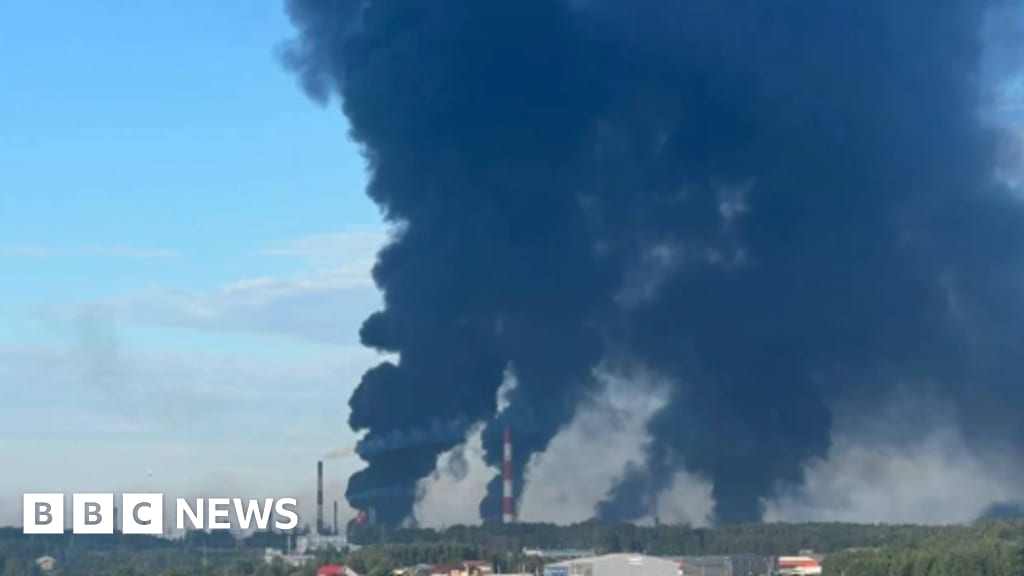
Ukraine has hit two oil refineries deep inside Russian territory, a move President Volodymyr Zelensky says is aimed at slashing the oil revenues Russia "used to finance" its war, according to the BBC. The cross‑border strikes, reported on August 6, 2026, push the contest over energy infrastructure further into Russia’s own industrial heartland.
The BBC report underscores how Ukraine is increasingly targeting the economic underpinnings of Moscow’s campaign, not just frontline forces. Striking refineries far from the front carries military, financial and political weight, and will shape how both sides fight and fund the conflict in the months ahead.
Key facts
- Source
- BBC
- Reported
- August 6, 2026
- Desk
- general
- Follow the story
- Spinn Radio Talk
What we know about the strikes on the Russian refineries
According to the BBC, Ukrainian forces hit two oil refineries located deep inside Russian territory, beyond the immediate front lines. Kyiv has framed the operation as part of a broader push to disrupt Moscow’s energy sector rather than a one‑off attack. The fact that the targets are refineries, not storage depots or small local facilities, signals an attempt to reach further into Russia’s industrial system.
President Zelensky’s message, as reported by the BBC, is explicit: the goal is to limit the oil revenues Russia has "used to finance" its war. That makes these strikes about more than battlefield momentum. They are aimed at the financial engine that sustains Russia’s military machine. Each successful hit on refining capacity threatens to complicate Russia’s ability to turn crude oil into exportable products that bring in cash.
“Kyiv is no longer only contesting territory at the front, it is testing how far it can reach into the energy system that funds Moscow’s war.”
Why Ukraine is focusing on Russian oil money
Ukraine’s leadership has repeatedly argued that Russian fossil fuel revenues have underwritten the invasion. By going after refineries, Kyiv is trying to move the cost of war back onto Russia’s domestic economy. As the BBC reports, Zelensky links these particular strikes to a strategy of cutting the money stream that flows from energy exports into the Kremlin’s war budget.
Targeting refineries, rather than solely front‑line depots or ammunition stockpiles, fits that logic. Refineries sit at a crucial point between crude production and exports or domestic fuel supply. Damaging them can create bottlenecks, and even limited disruption can carry symbolic weight by showing Russian citizens and businesses that key assets are vulnerable. For Ukraine, the message is that the war’s economic burden should be felt inside Russia too, not only in Ukrainian cities and on the front lines.
Spinn Radio
Follow live news on Spinn Radio
How deep strikes inside Russia change the military picture
Hitting refineries far from the battlefield marks an evolution in how Ukraine conducts long‑range operations. The BBC’s report on attacks "deep in Russian territory" highlights a growing emphasis on reach: the ability to put high‑value infrastructure at risk well behind Russian defensive lines. That complicates Russia’s air defense planning and forces Moscow to think about a much larger perimeter to protect.
Militarily, this type of strike is designed to have ripple effects. Even if the immediate physical damage is limited, every successful penetration of Russian airspace tests gaps in radar coverage, missile defenses and readiness. Over time, that can draw Russian resources away from front‑line units, as command structures scramble to harden sites previously considered relatively safe. It also sends a signal to other operators in Russia’s energy network that they may be in range of future attacks.
“Every refinery Ukraine can credibly threaten adds another headache to Russia’s already stretched air defenses.”
What is at stake for global energy and war financing
The BBC report centers Zelensky’s argument that Russia uses its oil revenues to finance the war. That is the core stake in these refinery strikes. If Ukraine can repeatedly disrupt refining capacity, it could make it more complicated or more costly for Russia to convert oil into exportable fuels, pressuring a key source of state income. Even hints of vulnerability in Russia’s refining network can matter in a market that watches every risk to supply.
For Ukraine and its supporters, the strikes also intersect with ongoing international efforts to constrain Russian energy income through sanctions and price caps. Attacks on refineries add a physical layer to a financial and diplomatic campaign that has aimed to limit what Moscow can earn from selling oil abroad. The more Ukrainian operations highlight that link between refineries and war funding, the more they will feed political debates in other capitals about how aggressively to target Russia’s energy sector.
What to watch next as the refinery campaign unfolds
The key question now is whether these two refinery hits, reported by the BBC, mark the beginning of a sustained campaign or remain isolated operations. Repetition would matter. A pattern of deep strikes could force Russia to reallocate more air defenses to industrial zones and might spur further adjustments in global energy markets and in how buyers view the security of Russian fuel exports.
Observers will be watching for clues from Kyiv about whether energy infrastructure will remain a priority target and from Moscow about how it chooses to respond. Any escalation in the targeting of refineries or other large industrial sites would further blur the line between battlefield and economic war. For continuing updates and expert discussion of how this story develops, you can Follow live news and talk on Spinn Radio, including analysis of what these strikes mean for the wider conflict.
“Whether this is a one‑off show of reach or the start of a refinery campaign will shape the next phase of the war.”
Good to know
Frequently asked questions
What happened in the latest Ukrainian strike inside Russia?
Ukraine hit two oil refineries located deep in Russian territory, according to the BBC. Kyiv is presenting the operation as part of a strategy to pressure Russia’s war economy.
Why is Ukraine targeting Russian oil refineries?
Ukraine is targeting refineries to reduce the oil revenues Russia uses to finance its war, as President Zelensky has argued in comments reported by the BBC. The goal is to push the economic cost of the conflict back onto Russia’s own energy sector.
How could these refinery attacks affect Russia’s war effort?
The refinery attacks could complicate Russia’s ability to convert oil into exportable products that bring in revenue for the war. They also force Moscow to divert attention and defenses to industrial infrastructure far from the front lines.
What should we watch for after these refinery strikes?
Watch whether Ukraine continues to hit refineries in Russia, which would signal a longer‑term campaign against the energy sector. Future attacks and responses will show how central this strategy becomes to the wider conflict.
Explore more on Spinn Radio: Follow live news and talk on Spinn Radio
Sources