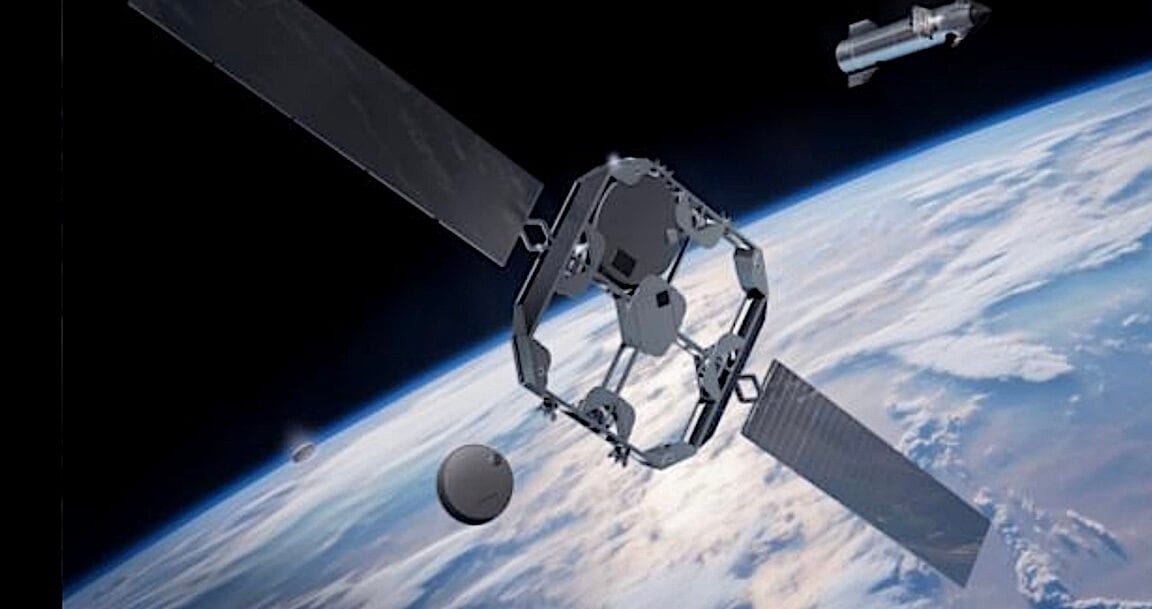
SpaceX is developing a concept called Starfall that focuses on the "transport and delivery of goods through space, " Ars Technica reported on June 23, 2026. The project points to an effort to use orbital infrastructure for moving cargo, not just satellites or people.
The report signals a new phase for the company as it looks beyond launch services toward end-to-end logistics that start in orbit and finish on the ground. For governments and commercial shippers, that raises the prospect of a new kind of global delivery network that routes through space instead of traditional air or sea lanes.
Key facts
- Source
- Ars Technica
- Reported
- June 23, 2026
- Desk
- general
- Follow the story
- Spinn Radio Talk
What Ars Technica is reporting about SpaceX’s Starfall
Ars Technica reported on June 23, 2026, that SpaceX is advancing a concept called Starfall whose stated purpose is the "transport and delivery of goods through space." That phrase is the clearest description so far of what Starfall is meant to do, and it places the project squarely in the realm of logistics rather than only launch or crewed missions.
Framing Starfall as a tool for moving goods suggests that SpaceX is looking at cargo that could be staged, routed, or even dispatched from orbit. Instead of treating space as a one-way trip for payloads that never come back, the project description points toward traffic that could flow both ways: up to orbit, across the planet, and potentially back down closer to a final destination.
For now, the key takeaway from the Ars Technica report is that Starfall is explicitly about cargo and not just another name for a rocket or satellite line. That sets it apart inside SpaceX’s expanding portfolio and hints at a dedicated orbital logistics effort that will sit alongside its existing missions.
“Starfall is framed as logistics infrastructure in orbit, not just another rocket or satellite program.”
How orbital cargo delivery could change global logistics
The focus on "transport and delivery of goods through space" puts Starfall in direct conversation with how freight moves today. Conventional cargo travels by sea, air, rail, and road, all constrained by geography and weather. A system that uses orbit as part of the route could, in theory, connect distant points on Earth in new ways, or serve locations that are hard to reach quickly using current networks.
Orbital delivery also raises questions about what kinds of goods make sense to move through space. Time-sensitive shipments, specialized equipment for remote sites, or government and security payloads are likely early candidates, because they are often high-value and justify complex handling. While the Ars Technica report does not spell out use cases, the emphasis on cargo implies SpaceX is thinking in terms of end users who care about speed, access, or flexibility more than about the novelty of a space mission itself.
The memorable detail here is the ambition: SpaceX is not only lifting things off the planet, it is exploring how orbit might act as a new layer in the global supply chain. That idea, if it matures, could reshape how decision makers think about routes, hubs, and transit times across long distances.
“Orbit stops being the destination and starts becoming a waypoint in the global supply chain.”
Spinn Radio
Follow live news on Spinn Radio
Where Starfall fits in SpaceX’s broader strategy
Positioning Starfall as a cargo delivery concept lines up with SpaceX’s long-running interest in reusability, high flight cadence, and large payload capacity. A system meant to support goods moving through space would lean on those foundations, since frequent, relatively low-cost launches are a prerequisite for any serious logistics network in orbit.
The project also fits a pattern of the company layering services on top of its hardware. Launch vehicles support satellite deployments, which in turn support communications or observation businesses. Starfall, as described by Ars Technica, gestures at another layer where orbital infrastructure supports cargo movement, potentially giving SpaceX a more direct relationship with shippers instead of only with satellite operators.
For observers, the key detail is that Starfall is framed as part of a long-term play rather than a one-off experiment. By tying it to the "transport and delivery of goods through space, " the company is signalling that it sees logistics as a domain where it can compete and differentiate, not just a side effect of putting payloads in orbit.
“Starfall suggests SpaceX wants to be a logistics company that happens to operate in orbit, not just a launch provider.”
What is at stake in the emerging orbital delivery race
If Starfall develops into an operational system, the stakes will extend well beyond one company. Governments, defense agencies, and global corporations all have reasons to watch a potential new delivery layer that sits above air corridors and sea lanes. Any credible orbital cargo capability would quickly intersect with regulation, international agreements, and national security concerns.
Commercially, the prize is access to a new geography: low Earth orbit as a logistics crossroads. Whoever builds practical ways to move goods through that environment could become a critical intermediary for time-critical or sensitive shipments. Even if the initial market is narrow, early leadership in standards, operations, and partnerships could matter later if the concept broadens to more routine freight.
The Ars Technica report underscores that the story is still developing. The detail that Starfall is meant for "transport and delivery of goods through space" is enough to signal intent, but not enough to answer how fast, how often, or at what scale such deliveries might occur. Those unanswered questions define the competitive space that other aerospace and logistics players will be assessing now.
“The race is not only to reach orbit, but to turn orbit into a working logistics corridor.”
What to watch next on SpaceX’s Starfall project
The next phase for Starfall will be about clarity: how SpaceX turns the broad goal of transporting goods through space into specific hardware, missions, and customers. Observers will be looking for any mention of Starfall in regulatory filings, mission manifests, or public briefings that link it to particular flight plans or test campaigns.
Another signal to watch is how governments and large institutions respond. Interest, partnerships, or procurement language that references cargo moved via orbit would indicate that Starfall and similar ideas are being treated as real options, not just speculative concepts. Since logistics sit at the intersection of commerce and security, even small steps here will attract scrutiny.
For ongoing updates, listeners can Follow live news and talk on Spinn Radio via Spinn Radio Talk, where coverage will track how Starfall evolves from a description of "transport and delivery of goods through space" into a concrete capability, or whether it shifts as technical and policy realities come into view.
“The key question now is whether Starfall stays a concept or becomes a scheduled line in the orbital cargo timetable.”
Good to know
Frequently asked questions
What is SpaceX’s Starfall project?
Starfall is a SpaceX concept aimed at the transport and delivery of goods through space. It focuses on cargo logistics that route via orbit rather than traditional paths.
Why does Starfall matter for global cargo delivery?
Starfall matters because it targets moving goods through space, which could create a new logistics layer above air and sea routes. That would change how time-critical or specialized cargo moves across long distances.
Who reported on Starfall and when?
Ars Technica reported on Starfall on June 23, 2026. The outlet highlighted that its stated purpose is the "transport and delivery of goods through space."
What should observers watch next with the Starfall concept?
Observers should watch for concrete signs of Starfall in missions, filings, or partnerships. Any move that links it to specific hardware or customers will show how serious the orbital cargo push has become.
Explore more on Spinn Radio: Follow live news and talk on Spinn Radio
Sources