The Vatican has excommunicated the Society of St. Pius X after the group consecrated new bishops in defiance of Pope Leo XIV, The New York Times reported this week. The move is being cast inside the church as the first major crisis of Pope Leo’s young papacy, and a clear line in his battle to assert authority over traditionalist dissent.
By acting against the Society immediately after the illicit consecrations, Vatican officials have signaled that challenges to the pope’s control of episcopal appointments will draw the harshest penalties available in church law. The stakes now extend well beyond one traditionalist group, as Catholics and close watchers of the papacy assess how Leo XIV will govern under pressure.
Key facts
- Source
- The New York Times
- Reported
- July 2, 2026
- Desk
- general
- Follow the story
- Spinn Radio Talk
Why the Society of St. Pius X was excommunicated
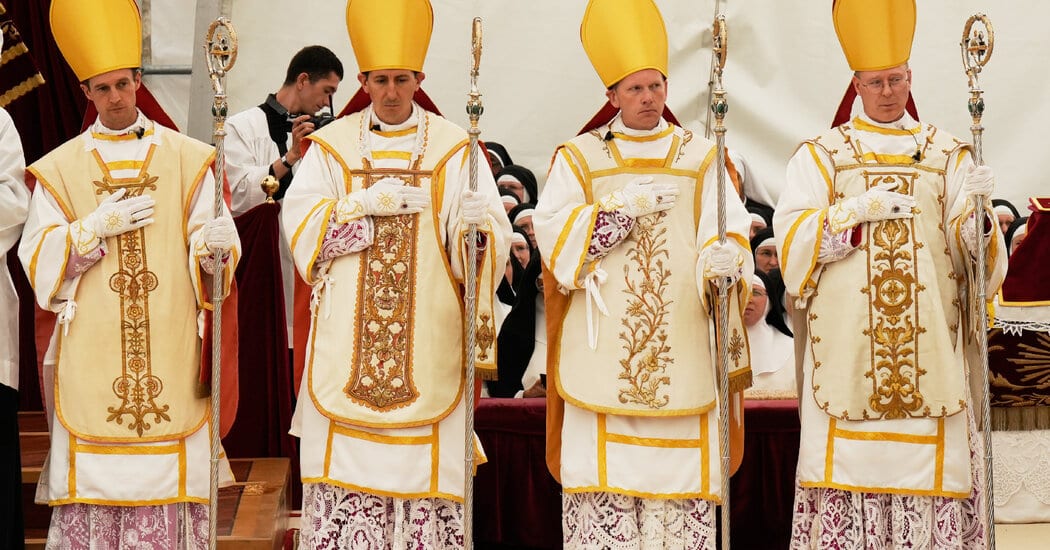
According to reporting by The New York Times, the rupture followed a single decisive act: the Society of St. Pius X went ahead and consecrated new bishops against the explicit wishes of Pope Leo XIV. In Catholic practice, bishops carry the authority to ordain clergy and oversee dioceses, so who becomes a bishop is one of the most closely guarded powers of the papacy. By creating bishops without papal approval, the Society directly challenged that control.
Excommunication is the church’s severest sanction. Imposed from Rome, it formally cuts a group or individual off from the sacramental life of the Catholic Church and sends a stark public signal about what behavior the Vatican considers intolerable. In this case, the punishment underscores that Pope Leo views unauthorized episcopal consecrations not as an internal disciplinary question but as an assault on the unity and governance of the church itself.
For Catholics following the story, the key takeaway is simple: the Society did not just ignore a policy preference, it defied a specific instruction from Pope Leo on who may serve as a bishop. The Vatican has answered that defiance by declaring the group outside full communion with Rome.
“The battle is not over doctrine on paper but over who has the authority to decide who becomes a bishop.”
Why this is the first major crisis for Pope Leo XIV
The Times describes the break with the Society of St. Pius X as the first major crisis of Pope Leo XIV’s pontificate. That framing reflects how early this confrontation has arrived and how directly it touches the core of papal power. At issue is not a marginal policy or a quiet internal reform effort, but the pope’s claim to be the final arbiter of which bishops can minister in the Catholic Church.
Crises for a new pope are often defined by whether they force visible, high-stakes decisions. By authorizing excommunication over the unauthorized consecrations, Leo XIV has had to move from the language of dialogue into the realm of penalties. His choice will now shape how church leaders, from cardinals in Rome to parish priests, perceive the seriousness of dissent against his directives.
For observers, this episode becomes the first clear test case for Leo XIV’s leadership style. Some will read the excommunication as a sign that he is willing to take swift, hard action when confronted. Others will look for signs of whether he seeks a path back to reconciliation or holds the line on sanctions. Either way, the Society of St. Pius X has forced his hand in full public view.
“This is the moment when Leo XIV’s papacy shifts from promises and priorities to visible enforcement.”
Spinn Radio
Follow live news on Spinn Radio
Who the Society of St. Pius X is and why it matters
The Society of St. Pius X occupies a distinctive place in Catholic life as a traditionalist group that has often been at odds with the Vatican. Its very name signals attachment to an earlier era of Catholic practice and authority. Friction between the Society and Rome has typically revolved around obedience to the pope and acceptance of changes in church life, themes that are once again at the center of this clash with Leo XIV.
By moving to consecrate its own bishops in defiance of papal wishes, the Society has gone beyond debate about liturgy or theology and asserted a kind of parallel chain of command. Bishops are not just ceremonial figures. They embody jurisdiction, sacramental authority, and in many cases control over institutions and property. When an independent group starts choosing its own bishops, it effectively claims the right to run its own version of Catholicism without Vatican oversight.
For Catholics in parishes and for those who listen closely to church news, the Society’s excommunication is a reminder that Rome continues to wrestle with organized resistance from the traditionalist wing. The outcome will signal how much space such groups have to operate while still claiming ties to the wider Catholic Church.
“By naming its own bishops, the Society signaled it wants a hierarchy that does not depend on Rome.”
What is at stake for church unity and papal authority
Every excommunication carries a message, and in this case the message is about boundaries. The Vatican’s move tells bishops and priests that the pope expects strict obedience in matters of episcopal appointments. If the Society of St. Pius X were allowed to expand its leadership structure without consent, other groups might be tempted to follow, creating a patchwork of quasi-independent hierarchies that would weaken the notion of a single, unified Catholic Church.
For Pope Leo XIV personally, the confrontation tests his ability to hold together a global institution that includes a vocal traditionalist current. If he appears too harsh, some Catholics may worry about deepening rifts. If he appears too lenient, others may fear that papal authority is eroding. The excommunication is therefore both a legal act and a political signal aimed at multiple audiences inside and outside the church.
The broader takeaway is that conflicts over appointments can quickly become conflicts over legitimacy. As the Society reacts to the punishment, and as other Catholic leaders respond, the church will be negotiating what loyalty to Pope Leo looks like in practice, not just in principle.
“The real question is whether this rupture remains contained or inspires copycats on the church’s fringes.”
What to watch next in the Vatican, Society standoff
With the excommunication now public, attention will turn to how both sides respond. Observers will be watching for any signs of further disciplinary measures from Rome, as well as for statements or actions from the Society’s newly consecrated bishops. Any move to expand their activities could deepen the standoff and force additional choices from Pope Leo XIV.
The next phase will also test how other church leaders align themselves. Bishops who may sympathize with traditionalist concerns will have to decide whether to distance themselves from the Society of St. Pius X or risk appearing to support defiance of the pope. Their reactions will help define how isolated the Society becomes after this break, and how broad support is for Leo XIV’s firm line on episcopal control.
For readers tracking the story in real time, the developments around Pope Leo and the Society will continue to filter out through major outlets and specialist church coverage. You can follow live news and talk on Spinn Radio for ongoing analysis, reaction from across the Catholic world, and updates as the Vatican and the Society reveal their next moves.
“The excommunication is not the final word; it is an opening move in a longer confrontation over loyalty and leadership.”
Good to know
Frequently asked questions
Why did the Vatican excommunicate the Society of St. Pius X?
The Vatican excommunicated the Society of St. Pius X because it consecrated new bishops against Pope Leo XIV’s wishes. The unauthorized appointments were taken as a direct challenge to papal authority over who may serve as a bishop.
What makes this a major crisis for Pope Leo XIV?
This becomes a major crisis for Pope Leo XIV because it forces an early, high-profile decision about enforcing obedience on episcopal appointments. His handling of the Society’s defiance will shape perceptions of his strength and style as a new pope.
What is at stake for the Catholic Church in this dispute?
At stake for the Catholic Church is the principle that the pope controls who becomes a bishop and thus maintains institutional unity. If groups like the Society of St. Pius X can expand their own hierarchies, it risks fragmenting authority and weakening Rome’s central role.
What should observers watch for after the excommunication?
Observers should watch how the Society of St. Pius X’s new bishops act and whether the Vatican introduces further penalties or outreach. Reactions from other bishops will also signal how much wider support Pope Leo XIV has for his firm stance.
Explore more on Spinn Radio: Follow live news and talk on Spinn Radio
Sources