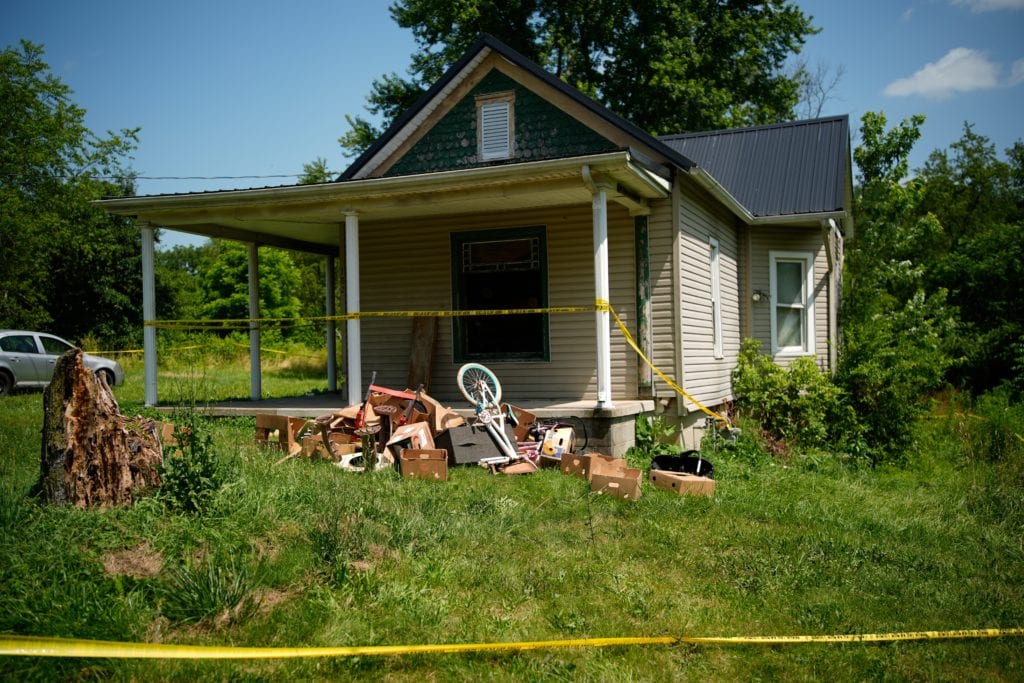
PBS reported that 16 children were rescued from an Ohio home this week and that authorities said the kids appeared “almost feral, ” a description that has shocked readers nationwide. Prosecutors have charged the children’s parents and two grandparents with felony child endangerment, turning a welfare check into a criminal case that is now under intense public scrutiny.
Details from the scene remain limited, but the scale of the rescue and the severity of the allegations place this case among the most disturbing child welfare stories to emerge from Ohio in recent years. As investigators work to piece together what happened in the home, the focus has shifted to how so many children allegedly lived in such conditions for so long without earlier intervention.
Key facts
- Source
- PBS
- Reported
- July 1, 2026
- Desk
- general
- Follow the story
- Spinn Radio Talk
What PBS is reporting about the Ohio child rescue
According to PBS, authorities removed 16 children from a single Ohio home and later described the group as looking “almost feral.” That phrase, relayed through the PBS report, signals what officials believe they found: children whose basic care, socialization, or safety may have been neglected to an extreme degree. The number of children involved immediately set this case apart from more typical child welfare calls that local agencies handle every day.
PBS also reports that the parents and two grandparents of the children are now charged with felony child endangerment. A prosecutor confirmed those charges, which indicate that investigators believe the adults responsible for the kids’ care placed them at serious risk of harm. Felony child endangerment is reserved for the most serious cases, and it moves the matter from a family court setting squarely into the criminal courts, where potential penalties are far more severe.
“Sixteen children in one home, and felony charges for four adults, have turned a welfare call into a criminal case Ohio will be watching closely.”
Who has been charged in the Ohio child endangerment case
PBS reports that four adults face felony child endangerment charges: the children’s parents and two grandparents. That detail underscores how prosecutors view responsibility in this case, not as resting with a single caregiver but spanning multiple generations inside the same household or family network. Charging both parents and grandparents suggests investigators believe there was shared awareness of the children’s situation and a shared failure to protect them.
Felony child endangerment charges typically focus on whether adults placed children in situations that threatened their physical or mental health. While PBS has not yet detailed the specific acts or omissions alleged here, the decision to charge four family members signals that authorities view this as more than an isolated lapse in judgment. It raises questions for Ohio’s child protection and criminal justice systems about how extended families are held accountable when children are allegedly mistreated in a home everyone knew well.
“The decision to charge both parents and grandparents shows prosecutors see responsibility for the children’s welfare spread across the family, not concentrated on one adult.”
Spinn Radio
Follow live news on Spinn Radio
Why the description ‘almost feral’ is drawing national attention
The phrase “almost feral, ” which PBS attributes to authorities describing the condition of the children, has driven much of the national reaction to this case. That kind of language is not standard in official filings and tends to surface only when responders are struck by what they encounter. It suggests children who may have had little structured care, limited exposure to normal routines, or prolonged neglect of basic needs, though the exact circumstances have not yet been detailed publicly.
That wording also shapes public perception. Describing kids as looking “almost feral” immediately conveys an image of extreme isolation or neglect, and it can influence how people view the adults now facing felony charges. For advocates and legal experts, it underscores the need for careful, fact-based reporting as more information emerges, so that outrage does not outpace what investigators can actually prove in court.
““Almost feral” is the rare kind of phrase that travels far beyond a police report and forces the public to imagine conditions most will never see firsthand.”
How child endangerment cases like this move through the courts
With felony child endangerment charges filed, prosecutors in Ohio will now have to present their evidence in court, a process that can involve testimony from investigators, medical professionals, and child welfare workers. The central legal question is whether the adults charged exposed the 16 children to a substantial risk of harm. The PBS report confirms the charges but does not yet outline specific allegations, which will likely surface in charging documents or early hearings.
Cases that involve large numbers of children and multiple adult defendants can be complex. Each adult may have a different defense, and the court will likely examine who had decision-making authority, who lived in the home full-time, and who knew what about the kids’ day-to-day lives. Because the charges are felonies, the adults could face significant prison time if convicted, a factor that often leads to contested proceedings rather than quick plea agreements.
What happens next for the 16 rescued children
PBS does not yet describe where the children are now, but once kids are removed from a home in a case like this, they typically come under the care of child protective services while authorities assess their needs. With 16 children involved, placement and support will be a major logistical and emotional challenge. Authorities must balance immediate safety with efforts to keep siblings connected, especially when a large sibling group is removed at once.
Beyond the criminal case, there will likely be a separate process focused on the children’s long-term welfare. Courts and child welfare agencies may evaluate their health, schooling, and emotional support needs. While the criminal charges against the parents and grandparents draw the headlines, what happens to these 16 children over the coming months will be the real measure of how the state responds. For ongoing coverage and expert discussion as the story develops, listeners can follow live news and talk on Spinn Radio.
“The criminal charges will unfold in court, but the longer story will be how Ohio’s system cares for 16 children suddenly pulled from the only home they knew.”
Good to know
Frequently asked questions
What happened in the Ohio case involving 16 children?
Authorities in Ohio removed 16 children from a home and later described them as looking “almost feral, ” according to PBS. The incident has triggered a major child welfare and criminal investigation.
Who is facing charges after the Ohio children were removed?
The children’s parents and two grandparents are charged with felony child endangerment, PBS reports. Prosecutors say those four adults bore responsibility for the kids’ welfare.
Why are the charges classified as felony child endangerment?
Felony child endangerment is used when prosecutors believe children were placed at serious risk of harm. In this case, the scale of the rescue and the condition of the children led authorities to pursue the higher-level charges, according to PBS.
What happens next in the Ohio child endangerment case?
The case will move through Ohio’s criminal courts as prosecutors present evidence supporting the felony charges. At the same time, child welfare authorities will determine long-term plans for the 16 children who were removed from the home.
Explore more on Spinn Radio: Follow live news and talk on Spinn Radio
Sources