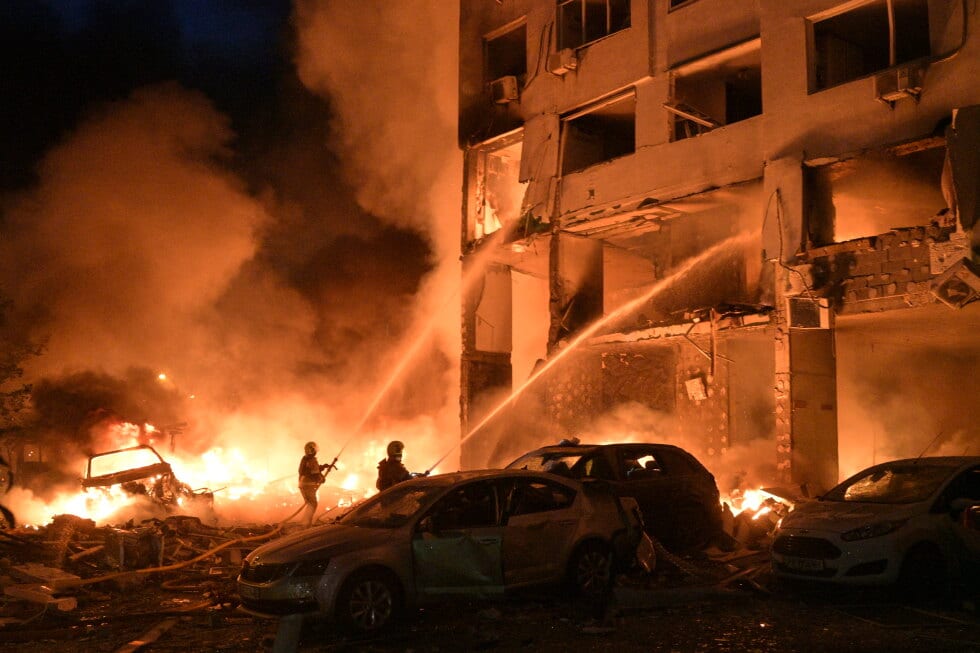
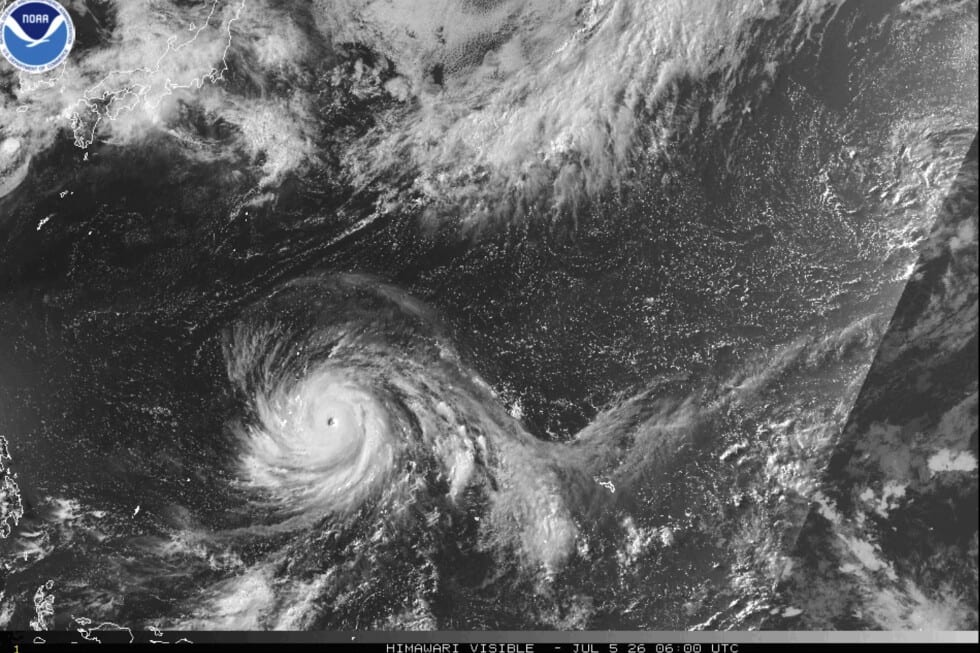
Super Typhoon Bavi has pounded Guam and the Northern Mariana Islands, with the massive cyclone making landfall over the U.S. territory in the western Pacific, according to reporting from The Associated Press. The storm hit on Monday, bringing dangerous conditions to communities spread across the island chain.
AP News, reporting from the region, said the system reached the islands as a super typhoon, raising urgent concerns over wind damage, coastal flooding, and the safety of residents in one of the United States' most exposed Pacific outposts.
Key facts
- Source
- AP News
- Reported
- July 6, 2026
- Desk
- general
- Follow the story
- Spinn Radio Talk
Where Super Typhoon Bavi made landfall and who is affected
AP News reports that Super Typhoon Bavi has struck Guam and the Northern Mariana Islands, both part of a U.S. territory in the western Pacific. These islands sit far from the U.S. mainland and face the open Pacific, which leaves them particularly vulnerable when a powerful cyclone comes ashore.
The Northern Mariana Islands and Guam include small, widely spaced communities that depend heavily on a limited road network, ports, and airports. When a super typhoon like Bavi hits, all of that core infrastructure is at risk at once, which can complicate everything from emergency medical care to resupply flights in the days that follow.
The key takeaway for now is geographic: this is a direct hit on a U.S. territory in the western Pacific, not a near miss, and the impacts will be felt from Guam to the broader Northern Marianas as authorities assess damage and attempt to restore basic services.
“This is not a near miss for Guam and the Northern Marianas; Super Typhoon Bavi has come straight over a U.S. Pacific territory.”
Why Bavi’s landfall matters for the U.S. and the Pacific region
A super typhoon making landfall over Guam and the Northern Mariana Islands is significant for both local residents and U.S. authorities that oversee the territory. These islands host civilian populations spread across small landmasses, and they rely on outside support when storms of this scale arrive.
When a system is described as a massive cyclone and a super typhoon, as AP News has done with Bavi, it signals that winds, rain, and coastal conditions are strong enough to threaten homes, power lines, and communication links. In an island setting, any prolonged power or communications outage can quickly become a public safety issue, especially if roads become blocked or ports are temporarily unusable.
For the wider Pacific region, Bavi is an example of the intense tropical systems that can form over the warm waters of the western ocean. Neighboring islands will watch closely to see how the storm behaves after crossing Guam and the Northern Marianas, since its track and strength will determine whether additional land areas face similar conditions later in the week.
Spinn Radio
Follow live news on Spinn Radio
What conditions Super Typhoon Bavi is likely bringing now
Although detailed measurements have not yet been reported, the description from AP News of Bavi as both a massive cyclone and a super typhoon points to destructive winds, very rough seas, and heavy rainfall near and after landfall. These are the classic hazards that come with a powerful tropical system in the Pacific.
For coastal communities in Guam and across the Northern Mariana Islands, pounding surf and storm-driven water are among the immediate risks. Even where structures withstand the wind, waves and flooding can damage roads, harbors, and shorefront buildings, which may slow any recovery effort and complicate deliveries of supplies.
Inland, heavy rain wrapped around the cyclone can trigger flash flooding in low-lying neighborhoods and along stream channels. Residents often have to contend not only with the initial hit but with lingering flooding and debris that can isolate parts of an island for hours or days after the strongest winds pass.
“In a super typhoon, the wind is only part of the story; pounding surf and flooding can carve up already fragile island infrastructure.”
How officials and residents may respond after Bavi’s passage
Once the core of Super Typhoon Bavi moves away from Guam and the Northern Mariana Islands, the focus will quickly shift to rescue and recovery. Local agencies typically prioritize checking on residents, clearing main roads, and restoring power to critical facilities such as hospitals and emergency centers.
Because these islands are U.S. territories, coordination with federal authorities usually follows, especially if the cyclone causes widespread damage or long outages. The exact scale of response will depend on assessments that start as soon as conditions allow crews to move safely through affected neighborhoods.
For residents, the first hours after a storm like Bavi are often spent checking damage to homes, helping neighbors, and dealing with disrupted communications. That early community response can be as important as formal assistance, particularly in smaller island settlements where people know each other and share resources until outside help arrives.
What to watch next as Super Typhoon Bavi moves on
With AP News confirming that Super Typhoon Bavi has made landfall, the next phase of coverage will focus on three main questions: how severe the damage is on Guam and the Northern Mariana Islands, how quickly power and communications can be restored, and where the cyclone heads next in the Pacific.
Forecast agencies will be tracking Bavi’s post-landfall path closely, since any change in direction or intensity could shift the risk toward other islands. Even if the core weakens, the system can still carry dangerous seas and heavy rain, which matters for shipping and aviation across the region.
For ongoing coverage, listeners can follow breaking updates, regional reaction, and expert analysis on Follow live news and talk on Spinn Radio. As officials release more information on impacts and recovery, that is where the latest details on Bavi’s aftermath and future track are likely to surface first for Spinn Radio audiences.
“The next phase is about impact and trajectory: how badly Guam and the Marianas were hit, and where Bavi heads as it leaves the islands.”
Good to know
Frequently asked questions
What is Super Typhoon Bavi and where did it hit?
Super Typhoon Bavi is a massive cyclone that has made landfall over Guam and the Northern Mariana Islands, a U.S. territory in the western Pacific. AP News reports that the storm pounded the islands on Monday.
Why is Bavi a concern for Guam and the Northern Mariana Islands?
Bavi is a concern because it is a super typhoon strong enough to threaten homes, power, and coastal infrastructure across Guam and the Northern Marianas. The islands rely on a small network of roads, ports, and airports that can be disrupted by wind, waves, and flooding.
How are conditions likely to look during the super typhoon?
Conditions during the super typhoon are likely to involve very strong winds, heavy rain, and rough seas around Guam and the Northern Mariana Islands. AP News has described Bavi as a massive cyclone, which usually means dangerous coastal surf and the potential for flooding.
What happens next after Bavi passes the islands?
After Bavi passes, officials in Guam and the Northern Mariana Islands will focus on assessing damage, restoring power and communications, and reopening key roads. Forecast centers will also track the cyclone’s path to see whether other Pacific islands could be affected later in the week.
Explore more on Spinn Radio: Follow live news and talk on Spinn Radio
Sources