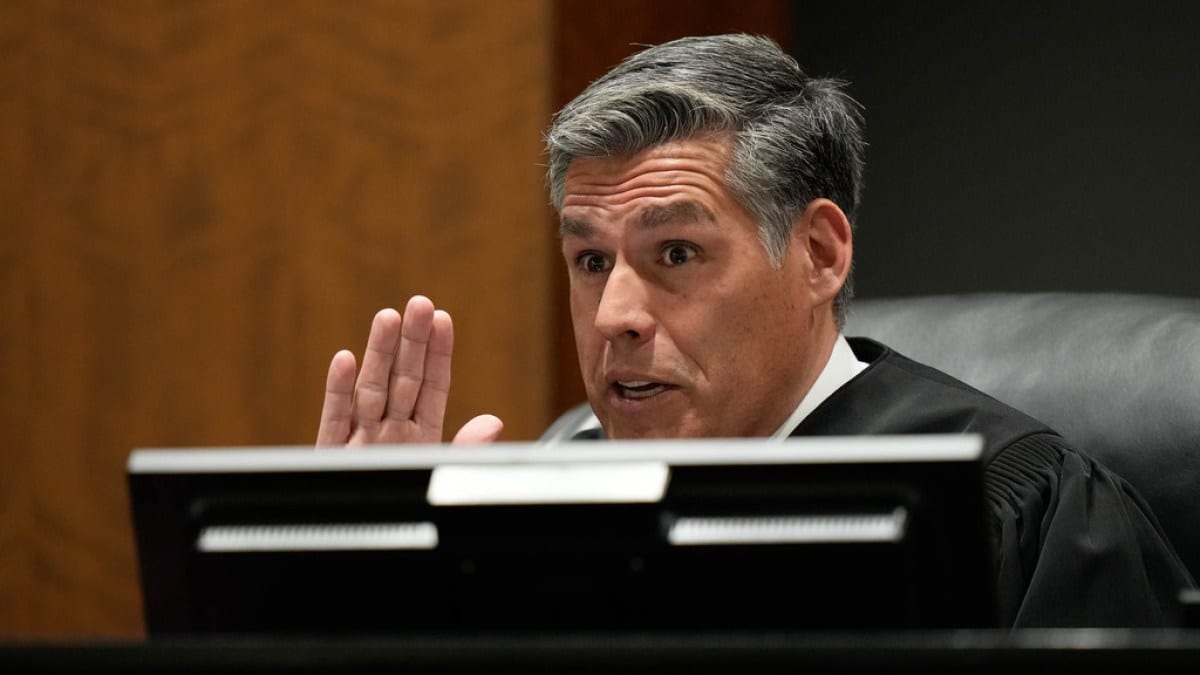
A US judge has found a prosecutor in contempt in the Charlie Kirk murder case after ruling that the state’s comments to the media about the defendant broke court rules on what can be said outside the courtroom, according to Al Jazeera reporting on June 26, 2026. The move throws fresh attention on how public statements by officials can collide with a defendant’s right to a fair trial.
The contempt finding, reported by Al Jazeera as a key development in the high‑profile murder proceedings, signals the court’s willingness to police pretrial publicity and could shape how the case unfolds from here.
Key facts
- Source
- Al Jazeera
- Reported
- June 26, 2026
- Desk
- general
- Follow the story
- Spinn Radio Talk
Why the contempt ruling in the Charlie Kirk case matters
The core of the dispute, as described by Al Jazeera, is the judge’s conclusion that prosecutors crossed a clear line in their public comments about the defendant. Courts in the United States routinely impose rules that limit what lawyers, especially prosecutors, can say about a pending criminal case outside formal proceedings. Those restrictions exist to prevent potential jurors from being swayed by one‑sided narratives before they ever hear evidence in court.
By holding the prosecutor in contempt, the judge is not only reprimanding a specific official but also sending a broader warning about the boundaries of media strategy in a murder trial. Contempt findings can carry penalties and may force prosecutors to rethink how and whether they speak to reporters while the case is active. For observers following the Charlie Kirk case, it is a reminder that what is said on camera or in print can quickly become a legal issue in its own right.
The immediate takeaway is simple: the judge believes the prosecution’s media outreach about the defendant went too far, and that concern is now part of the official record in a case already under close public scrutiny.
“What gets said to cameras outside the courthouse can suddenly matter as much as what is argued inside.”
What we know about the judge’s media rules
Al Jazeera reports that the judge framed the prosecutor’s statements as a violation of existing rules on out‑of‑court commentary about the defendant. While the specifics of those rules are not detailed in the initial reporting, such limits typically bar officials from making statements that could prejudice jurors, reveal inadmissible evidence, or otherwise undermine the integrity of the trial.
The judge’s response indicates that those boundaries were clearly communicated and that the prosecutor’s remarks fell outside what the court considers acceptable. That distinction is crucial. Courts do not generally seek to silence all public discussion, but they do expect lawyers to avoid inflaming public opinion about a defendant in a way that might later taint a jury pool.
For anyone watching the Kirk proceedings, the key point is that the judge has now formally linked the prosecutor’s media posture to courtroom discipline. That link could influence everything from future press briefings to how much detail officials are willing to share before jurors are sworn in.
“The court is drawing a bright line between public relations and permissible legal commentary.”
Spinn Radio
Follow live news on Spinn Radio
How contempt could affect the Charlie Kirk murder trial
A contempt finding in the midst of a murder case is not a procedural side note, it is a potential turning point. When a judge concludes that a prosecutor violated media rules, defense lawyers can use that ruling to bolster arguments about prejudicial publicity or to seek additional safeguards for their client. In some instances, courts respond to such concerns with tighter gag orders, more intensive jury selection, or limits on what evidence can be aired in public filings.
Al Jazeera’s report does not detail any direct consequences for the underlying charges, but the atmosphere around the trial is likely to shift. Prosecutors may become more cautious about explaining their case to journalists, and the defense may emphasize the incident as evidence that public narratives have run ahead of courtroom facts.
For the public, the practical effect may be less information about the prosecution’s theory of the case in the short term and a more controlled flow of updates as the court tries to keep the focus on evidence presented under oath.
“The contempt ruling adds a new legal subplot that could shape how jurors, lawyers, and the public experience the trial.”
Media, public opinion and fair‑trial concerns in high‑profile murders
The clash described by Al Jazeera sits inside a much larger tension: how to balance transparency about a serious criminal case with the need to protect a fair trial. Murder cases that attract national attention often unfold on two stages at once, inside the courtroom and in the court of public opinion. Statements about a defendant, even when accurate, can take on a different weight once amplified on television, radio, and social platforms.
Judges respond with rules aimed at keeping that second stage from overwhelming the first. Those rules can frustrate prosecutors who see media outreach as a way to reassure the public or respond to criticism. Yet, as the contempt ruling in the Kirk matter shows, courts will act when they feel trial fairness is at risk.
Listeners who rely on talk radio, podcasts, and rolling news updates for context are likely to see this story referenced as an example of why some officials suddenly fall silent during sensitive phases of a case. The legal guardrails are not abstract; they directly shape which details can be discussed on air and which must wait for the jury.
“High‑profile murder trials always run on two tracks, but the judge’s job is to keep the legal track in control of the one running through the media.”
What to watch next in the Charlie Kirk proceedings
With the contempt finding now public through Al Jazeera’s reporting, the next phase in the Charlie Kirk murder case turns on how both the court and the lawyers adjust. Observers will be looking for signs of tighter gag rules, changes in who is allowed to speak on behalf of the prosecution, or new defense motions that reference the judge’s concerns about media conduct.
Any future hearings that touch on publicity, jury selection, or sanctions for out‑of‑court statements will be especially important. They will show whether the court views this contempt finding as a one‑off reprimand or the start of a broader effort to rein in commentary around the case.
For ongoing analysis and reaction as this story develops, listeners can Follow live news and talk on Spinn Radio. Coverage on Spinn Radio Talk will track how the legal and media strategies evolve and what that means for anyone trying to understand the stakes of the Kirk trial in real time.
“The real test is whether this contempt ruling changes courtroom practice or simply chills what gets said in front of microphones.”
Good to know
Frequently asked questions
Why was the prosecutor held in contempt in the Kirk case?
The prosecutor was held in contempt because the judge found that comments to the media about the defendant violated court rules on what can be said outside of court. The ruling reflects concern that such remarks could affect the fairness of the murder trial.
What do the media rules in this murder case restrict?
The media rules restrict what prosecutors can say publicly about the defendant and the case outside formal court proceedings. They are meant to prevent statements that could influence potential jurors or undermine the integrity of the trial.
How could the contempt ruling impact the murder trial going forward?
The contempt ruling could lead to tighter controls on public statements and give the defense fresh grounds to raise fair‑trial concerns. It may also make prosecutors more cautious about speaking to reporters while the case is underway.
Where can I follow updates on the Charlie Kirk proceedings?
You can follow updates on the case through outlets reporting on it and by tuning into Spinn Radio Talk. Live analysis and discussion are available via Spinn Radio’s news and talk programming.
Explore more on Spinn Radio: Follow live news and talk on Spinn Radio
Sources