Utah weather conditions triggered a historic red flag warning on Friday morning, as reported by NBC News, with forecasters in Salt Lake City warning that any new fire could spread quickly while one of the largest wildfires in state history is already burning. The National Weather Service office there issued the alert as firefighters remained on the line, trying to hold back a blaze that has already ranked among Utah’s biggest.
The rare combination of high fire danger and an already massive wildfire has turned a bad season into a potentially defining crisis for communities, public lands, and the crews working around the clock to contain it.
Key facts
- Source
- NBC News
- Reported
- June 26, 2026
- Desk
- general
- Follow the story
- Spinn Radio Talk
What the red flag warning in Utah actually means today
The National Weather Service in Salt Lake City issued the red flag warning on Friday morning, according to NBC News, signaling that weather conditions are primed for rapid fire growth. A red flag warning is the agency’s highest level of short-term fire danger alert. It typically reflects a mix of dry fuels, low humidity, and winds that can help any spark turn into a fast-moving blaze.
What makes this alert stand out is its description as historic in scope for Utah. Fire danger in the state is not new, but tying a red flag warning to one of the largest wildfires in Utah’s history raises the stakes for every decision made by incident commanders and public officials. It means that, for the duration of the warning, any backyard burn, tossed cigarette, or malfunctioning piece of equipment could present a real threat to firefighters already stretched thin.
For residents, the practical takeaway is simple: the warning is not abstract. It is a formal signal that fire weather is as dangerous as it gets, at the very moment when the state is already contending with a wildfire of exceptional size.
“A red flag warning is not background noise this week in Utah, it is the loudest possible alarm about how easily new fires could explode.”
How one of Utah’s largest wildfires grew into a statewide crisis
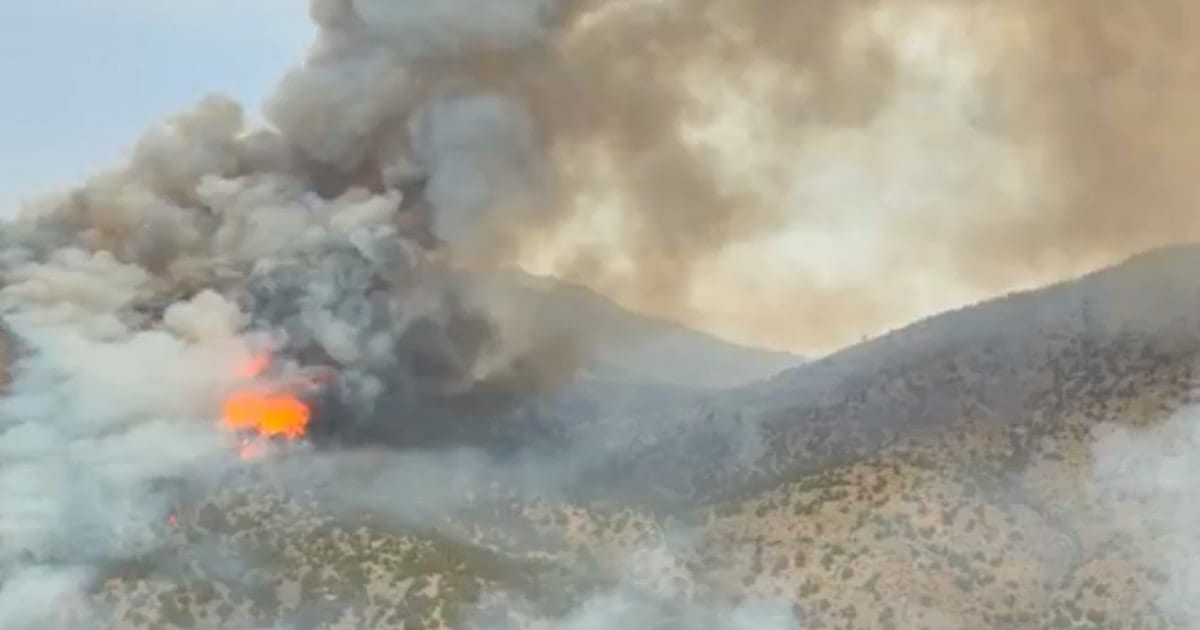
NBC News reports that emergency workers are battling one of the largest wildfires in Utah’s history as the red flag warning takes effect. Even without precise acreage figures, that framing alone tells you the scale. This is not a routine seasonal fire burning in remote scrubland. It is a major incident that already ranks near the top of Utah’s long list of destructive blazes.
A fire that large has consequences far beyond the immediate flames. It can disrupt transportation corridors, threaten communities on the edge of wildland areas, and send smoke across county lines. It also pulls in firefighters, aircraft, and equipment from across the region. When those resources are tied up on a single massive fire, the rest of the state becomes more vulnerable if new ignitions occur under red flag conditions.
Historical context matters here. Utah is no stranger to wildfire, but labeling a current blaze as one of the largest on record places it in the same conversation as the landmark fires residents trade stories about for years. That gives a sense of the emotional weight for people watching the smoke on the horizon or refreshing updates as containment lines shift with the wind.
“When a blaze is described as one of the largest in Utah’s history, every new gust of wind becomes a statewide concern.”
Spinn Radio
Follow live news on Spinn Radio
Why June 26 matters in Utah’s 2026 fire season
NBC News dated its report June 26, 2026, which already marks this week as a turning point in Utah’s fire season. Late June often brings a ramp-up in heat and drying across the Intermountain West, but the combination of a historic red flag warning and a record-scale wildfire this early in the summer could signal a longer, more demanding season ahead.
The timing influences everything from staffing to strategy. Fire agencies planning for a gradual build may now need to adjust, accelerating mutual aid requests or shifting crews between regions to cover more ground. For local governments, June 26 becomes a benchmark: the day state officials and communities had to confront the possibility that 2026 will be defined by fire in the way past years were defined by floods or winter storms.
For people trying to track this fast-moving story, the date also helps frame the urgency. Residents who might have seen smoke earlier in the week now know that the situation escalated significantly by Friday morning, when the National Weather Service in Salt Lake City decided conditions justified a formal red flag warning.
What Utah communities and travelers should watch for next
For Utahns and visitors alike, the key question is what comes next as the red flag warning remains in effect while crews battle a historically large wildfire. The most immediate factor is whether weather conditions worsen, stay steady, or ease. Any increase in wind or drop in humidity could challenge existing containment lines and complicate air operations that depend on visibility and safe flying conditions.
Local officials typically respond to this kind of alert with burn restrictions, trail and road closures, and public advisories. Even without specific local orders listed, residents should expect tighter rules around campfires, fireworks, and outdoor equipment that can throw sparks. Travelers passing through Utah this week may also face detours or delays if highways near the fire are impacted by smoke or closures.
People far from the flames are not entirely removed from the story either. Smoke can drift into urban corridors, reducing air quality and visibility. Utilities sometimes adjust operations around large fires to protect infrastructure. In a year when climate, water, and land management are already under scrutiny, the way Utah navigates this red flag period will be closely watched by neighboring states facing their own high-risk conditions.
“Even if you cannot see the flames, red flag conditions reach into daily life, from weekend plans to the air you breathe.”
How to stay informed as the Utah wildfire story develops
Wildfire stories rarely resolve in a single news cycle. Containment can take days or weeks, and in that time the size, behavior, and risks associated with a fire can shift quickly. With a historic red flag warning layered on top of one of Utah’s largest wildfires, reliable updates become as critical as hoses and fire lines.
NBC News is among the outlets tracking developments on the ground. For ongoing coverage, analysis, and live conversation about how this fire season is unfolding across Utah and the wider West, you can Follow live news and talk on Spinn Radio. That feed will remain a central hub as more information emerges about containment progress, evacuation advisories, and changes to the red flag status.
For now, the main signals are clear: the National Weather Service in Salt Lake City has placed Utah under a rare level of fire-weather alarm, and firefighters are already engaged with a blaze big enough to reshape the narrative of the 2026 fire season. The details between those two facts are what will define how costly this event becomes.
Good to know
Frequently asked questions
What triggered the current fire weather warning in Utah?
The current fire weather warning in Utah was triggered by dangerous weather conditions identified by the National Weather Service in Salt Lake City. NBC News reports that these conditions were serious enough on Friday morning to prompt a formal red flag warning.
How severe is the ongoing wildfire in Utah right now?
The ongoing wildfire in Utah is among the largest in the state’s history. Its size and intensity are significant enough that it is shaping how officials and residents view the entire 2026 fire season.
Who reported the historic red flag warning in Utah?
NBC News reported the historic red flag warning in Utah. The outlet cited the National Weather Service in Salt Lake City as the agency that issued the alert.
What should Utah residents watch for as conditions stay critical?
Utah residents should watch for changes in fire conditions, new advisories, and any local restrictions tied to the red flag warning. The combination of high fire danger and a historically large wildfire means official guidance may shift quickly as the situation evolves.
Explore more on Spinn Radio: Follow live news and talk on Spinn Radio
Sources