KCRA reports that the Perseid meteor shower will reach its peak over Northern California on Wednesday night into early Thursday, giving skywatchers one of the most anticipated celestial shows of the year. The main question now is whether scattered clouds will clear long enough for residents to catch the streaking meteors overhead.
The timing, visibility concerns, and scramble for the best vantage points turn tonight’s forecast into more than a routine weather check. For anyone in the region, the next several hours offer a narrow window to see the Perseids at their strongest before dawn on Thursday.
Key facts
- Source
- KCRA
- Reported
- August 12, 2026
- Desk
- general
- Follow the story
- Spinn Radio Talk
When the Perseid meteor shower will be easiest to see
According to KCRA, the Perseid meteor shower will be visible Wednesday night and before dawn on Thursday, which puts the best viewing squarely in the late night and early morning hours. That timing matters: the later it gets, the darker the sky, and the better your chances of spotting more meteors streaking across the sky.
If you are planning around work or school, the key takeaway is simple: aim for the deepest part of the night leading into Thursday morning. Even short sessions outside in that pre-dawn window can pay off with multiple visible meteors if clouds cooperate.
“The sweet spot for catching the Perseids is late Wednesday night into the dark, pre-dawn hours of Thursday.”
How clouds could affect Perseid viewing in Northern California
KCRA notes there will be scattered clouds on Wednesday that could obscure viewing at times in Northern California. That means conditions may vary from one neighborhood or valley to the next, with some people getting clear breaks in the cloud cover while others contend with hazy, partially blocked skies.
For stargazers, the practical point is to stay flexible. If you step outside and see only partial cloud cover, it can still be worth waiting it out since scattered clouds can drift or thin, opening short windows where the brighter meteors remain visible. Keeping an eye on the sky over a span of time, rather than checking once and heading back in, can make the difference between missing the show and catching several bright trails.
“Scattered clouds do not end the show, they just turn the Perseids into a patient watcher’s event.”
Spinn Radio
Follow live news on Spinn Radio
Best types of places to watch the Perseids in Northern California
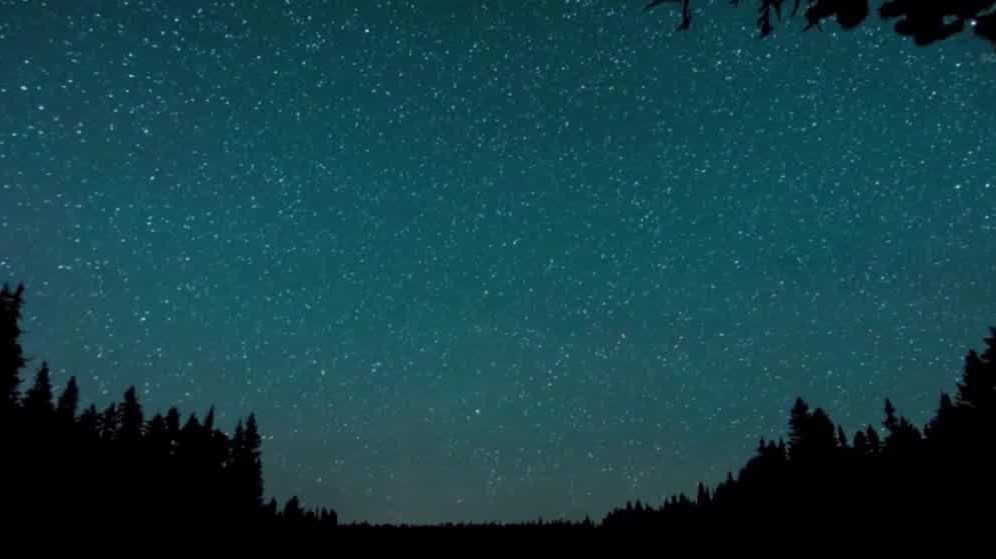
KCRA’s report focuses on Northern California, where geography ranges from coastal zones to inland valleys and foothills, each with different sky conditions. Wherever you are, the most reliable rule of thumb is to get as far from bright city lights as your schedule and safety allow, since light pollution washes out fainter meteors and reduces the drama of the shower.
In practice, that can mean choosing a darker neighborhood edge over a busy downtown street, or a rural road turnout and open field instead of a brightly lit parking lot. Higher elevations and wide, open views of the sky tend to help, especially if you can find a spot with a clear horizon away from trees and buildings. Even if you cannot travel far, turning off outdoor lights, stepping into a backyard corner shielded from street lamps, and giving your eyes several minutes to adjust will noticeably improve what you see.
“The darker your corner of Northern California, the more of the Perseids you are likely to catch.”
What tonight’s Perseid peak means for casual skywatchers
KCRA’s timing makes clear that this is a short, focused opportunity for people who do not normally plan their week around astronomy. Because the shower is expected to be visible both late Wednesday night and before dawn Thursday, even a casual observer can step outside for a limited window and still feel part of a much bigger shared experience across the region.
For families, this can be as simple as a brief backyard watch before bed or a pre-dawn outing with a blanket and warm drink. For commuters who are already awake early, it might just mean looking up for a few minutes before getting into the car. The emphasis on scattered clouds serves as a reminder that expectations should be realistic, but also that a handful of bright meteors against a dark sky can be memorable enough to justify the lost sleep.
“You do not have to be an astronomer to enjoy the Perseids; a few focused minutes under a dark sky can be enough.”
Where to follow ongoing coverage of the Perseids and weather
KCRA is the primary outlet flagging tonight’s peak and the possibility of scattered clouds across Northern California, but coverage and conversation will not stop once the meteors fade. As conditions evolve overnight and residents share what they saw, having a single place to keep up with updates and talk through the experience becomes valuable.
For continuing news, forecasts, and live conversation around the Perseid meteor shower and other breaking stories, you can Follow live news and talk on Spinn Radio. That feed will remain the hub for developments as the night progresses and for reactions from across the region once the peak has passed.
“For real-time updates and reaction to the Perseids, Spinn Radio Talk is where the conversation keeps going.”
Good to know
Frequently asked questions
When will the Perseid meteor shower be visible in Northern California?
The Perseid meteor shower will be visible Wednesday night and before dawn on Thursday in Northern California, according to KCRA. That window covers late evening into the pre-dawn hours.
How will the weather affect viewing of the Perseids?
Scattered clouds on Wednesday could obscure viewing of the Perseids at times, KCRA reports. Conditions may change through the night, so brief breaks in the clouds can still offer good views.
Where should I go in Northern California to see the Perseid shower?
The best places to see the meteor shower are locations with darker skies and fewer city lights. In Northern California, that can mean getting away from dense urban lighting and choosing open areas with a clear view of the sky.
Where can I follow updates and discussion about the Perseids?
You can follow ongoing news and talk about the meteor shower on Spinn Radio Talk. It will carry coverage and conversation as the Perseids peak and afterward.
Explore more on Spinn Radio: Follow live news and talk on Spinn Radio
Sources