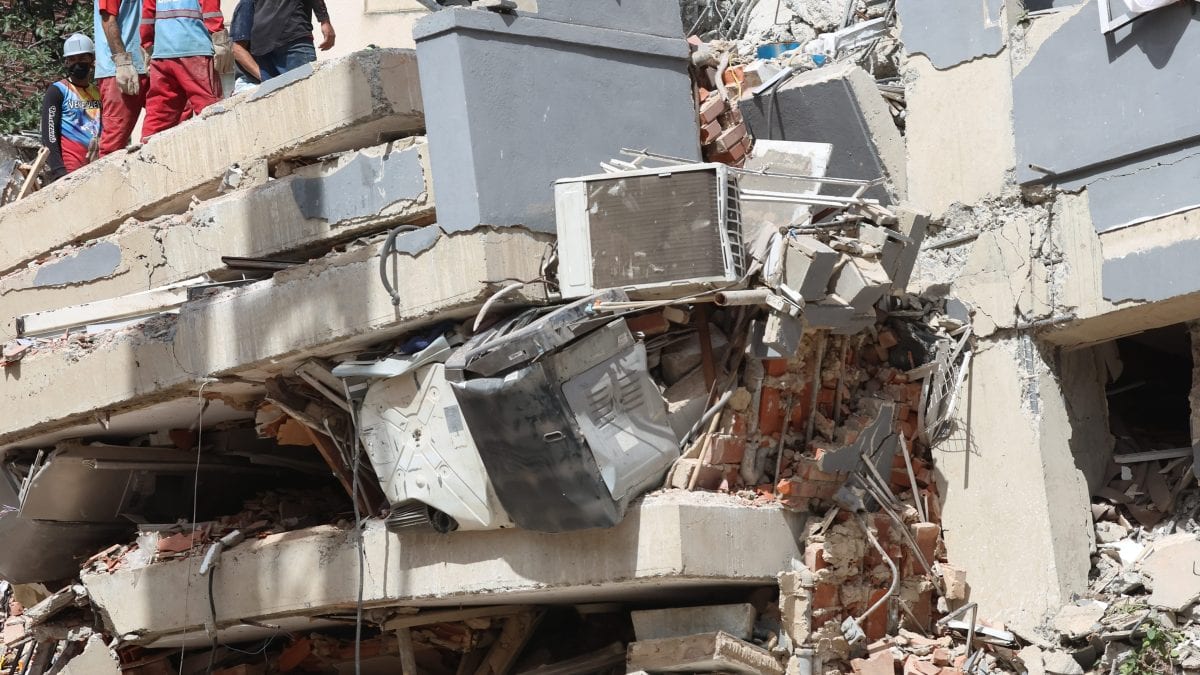
Venezuela has been hit by another earthquake, a magnitude 4.9 tremor reported by Al Jazeera, only days after earlier quakes killed hundreds of people across the country. The latest jolt, reported on June 26, comes as communities are still counting the dead and searching through rubble from a devastating pair of earthquakes earlier in the week.
The new shock has heightened fears about ongoing seismic instability and raised urgent questions about how much more the country’s strained emergency systems and traumatized population can take.
Key facts
- Source
- Al Jazeera
- Reported
- June 26, 2026
- Desk
- general
- Follow the story
- Spinn Radio Talk
What we know about Venezuela’s new 4.9 tremor
Al Jazeera reported on June 26 that Venezuela was shaken by a magnitude 4.9 tremor, adding a fresh layer of alarm to a week already defined by deadly seismic activity. The country is still reeling from an earlier pair of earthquakes that killed hundreds of people, which means even a mid-sized shock like this one lands in a context of grief, damaged infrastructure, and fragile nerves.
Magnitude 4.9 quakes are typically strong enough to be widely felt and to cause additional damage to weakened buildings. Coming so soon after quakes that have already claimed hundreds of lives, the key concern is not only new structural damage but also what this does to search, rescue, and relief efforts already underway.
The central takeaway is timing: this is not an isolated event, but another tremor hitting a population still in mourning and a state that is already stretched trying to respond to earlier destruction.
“The danger is not just the new shaking, but what another tremor means for a country already stretched to breaking point.”
How the earlier Venezuelan quakes set the stage for crisis
Al Jazeera’s reporting makes clear that this latest tremor lands on top of what was already a national tragedy. Earlier this week, a pair of earthquakes struck Venezuela and killed hundreds of people. Those earlier shocks are the backdrop for everything that happens now: from the state of hospitals and roads, to the ability of rescuers to reach isolated communities.
When quakes hit in pairs, close together in time, the first events often inflict the bulk of the casualties. The aftermath can leave buildings cracked, bridges weakened, and public services disrupted. Families who have already lost loved ones now have to live with the fear that each aftershock or new tremor could trigger further collapses.
That death toll in the hundreds is the number that matters for understanding the scale of this disaster. It signals not a near miss, but a week in which Venezuela has already suffered a major national emergency before this 4.9 tremor even struck.
Spinn Radio
Follow live news on Spinn Radio
Why a 4.9 tremor matters after major earthquakes
On its own, a 4.9 magnitude quake sits below the most destructive category of earthquakes that typically dominate headlines. In a week like this one in Venezuela, however, context is everything. Buildings that survived the first pair of quakes may have unseen structural damage, and another significant tremor can be enough to tip weakened structures into failure.
For emergency services, each new jolt complicates operations. Crews in the field may have to pull back from unstable rubble when the ground starts to shake again. Roads already damaged by the earlier earthquakes can crack further or become blocked, slowing the delivery of medical supplies and the movement of rescue teams.
For ordinary Venezuelans, the psychological impact is just as real as the physical risk. After a week that has already killed hundreds, a new quake, even at 4.9 magnitude, reinforces the sense that the ground cannot be trusted and that the disaster is not yet over.
“In a shattered landscape, a 4.9 is not a footnote, it is another test of every cracked wall and frayed nerve.”
What is at stake for Venezuela’s recovery effort now
The immediate stakes after this latest tremor are clear: safeguarding survivors and protecting already strained rescue operations. Every additional shock increases the chances of secondary collapses, extends the time people must remain in temporary shelters, and complicates decisions about which buildings can be reoccupied and which must be condemned.
The quakes that killed hundreds earlier this week likely damaged key infrastructure such as clinics, schools, and local government buildings. A new tremor can slow the move from emergency rescue into longer-term recovery, because engineers must reassess structures and authorities must decide whether it is safe to send people back into homes, offices, and classrooms.
Politically and socially, a rolling disaster of repeated quakes can test public trust in institutions. People will be looking for clear information, visible rescue efforts, and some sign that the state understands both the human cost and the ongoing risks. How the government manages this transition from shock to recovery will shape Venezuela’s story long after the ground stops moving.
How to follow developments on the Venezuela quakes
This is a developing story, and many key details about the latest 4.9 tremor, including the full extent of any new damage or casualties, are still emerging. What is clear from Al Jazeera’s June 26 report is that the country has now endured multiple significant quakes in a matter of days, with hundreds already dead from the earlier pair of earthquakes.
For audiences outside Venezuela, this is a moment to pay close attention to how the situation evolves over the next hours and days. New aftershocks, updated casualty figures, and assessments of infrastructure damage will help determine how deep this crisis becomes and what sort of international support might be needed.
You can follow live news and talk on Spinn Radio for ongoing coverage, expert analysis of seismic risk, and updates on how Venezuelans are coping in the wake of this extraordinary week of earthquakes.
“The story of Venezuela’s quakes is still unfolding, and each new tremor changes what rescuers, families, and officials must face next.”
Good to know
Frequently asked questions
What happened in Venezuela this week?
Venezuela has been hit by a magnitude 4.9 earthquake only days after a pair of earlier quakes killed hundreds of people. The new tremor adds fresh risk to a country already in crisis.
How strong was the latest Venezuela earthquake?
The latest reported earthquake in Venezuela had a magnitude of 4.9. That size can be widely felt and is especially worrying in a region where buildings are already damaged.
How many people have been killed by the recent Venezuela quakes?
Hundreds of people were killed by a devastating pair of earthquakes in Venezuela earlier this week. The new 4.9 tremor struck a population already in mourning and recovery.
Why is another tremor so dangerous after major earthquakes?
Another tremor is dangerous after major earthquakes because it can bring down already weakened buildings and disrupt rescue work. In Venezuela, it also deepens fear among survivors.
Explore more on Spinn Radio: Follow live news and talk on Spinn Radio
Sources