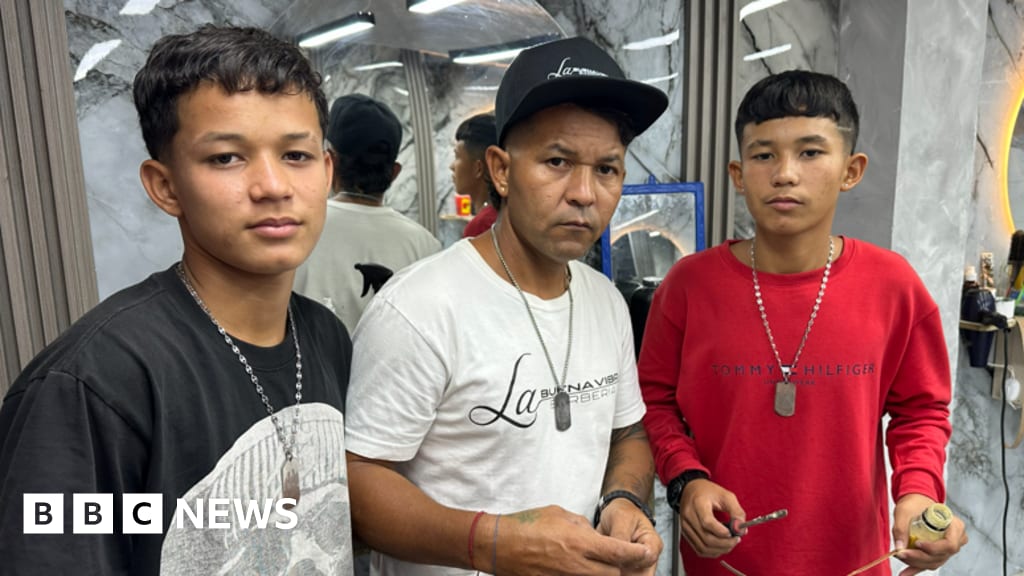
Venezuelan teenager Deivi Delfín and his brother, who left home after deadly earthquakes killed their mother, have been caught in another fatal disaster in Colombia, BBC News reported on Friday. Their story, published this week, captures the grim reality for young people who flee one catastrophe only to find themselves in the path of another.
The case has quickly become a symbol of the overlapping emergencies that shape life for migrant families from Venezuela, as they navigate seismic risk, displacement and instability while trying to rebuild across the border in Colombia.
Key facts
- Source
- BBC
- Reported
- August 14, 2026
- Desk
- general
- Follow the story
- Spinn Radio Talk
What BBC is reporting about the Venezuelan brothers
According to BBC News, Deivi Delfín and his brother left Venezuela after a series of deadly quakes there killed their mother. The decision to move to Colombia was meant to give them distance from the destruction that had torn their family apart and to find some stability in a neighboring country. Instead, BBC reports that the brothers were caught in another deadly disaster in Colombia. The outlet does not detail the scale of the event, but the framing makes clear this was not a minor incident: it was powerful and lethal enough to be described as another disaster in their lives.
The contrast is stark. The brothers escaped one set of collapsed homes and shattered routines only to face danger again in a new country. For many readers, their story is a reminder that for some young migrants there is no clear line between “before” and “after” a disaster, only a series of shocks that continue to shape where they live and how safe they feel.
“For Deivi Delfín and his brother, crossing a border did not end the emergency, it only moved it.”
Why Venezuelan teens are moving to Colombia after quakes
BBC’s reporting centers on one family, but their choices reflect a wider regional pattern. When deadly earthquakes strike, homes, schools and basic services can be damaged or destroyed, leaving survivors with little reason to stay. For Venezuelan teenagers like Deivi Delfín and his brother, Colombia is often the most reachable option because it lies just across the border and already hosts large communities of Venezuelan migrants.
In this case, the trigger was deeply personal. The quakes in Venezuela killed the boys’ mother, according to the BBC story, which left them both grieving and exposed. Moving to Colombia was not only about physical safety from future tremors, it was also about trying to rebuild family life in a place where work, schooling and support networks might be more accessible than in a devastated hometown.
What makes their story stand out is the sequence: first a lethal natural disaster in Venezuela, then a forced move as teenagers, then another deadly event in the country that was meant to offer refuge. The repeated blows raise hard questions about how well regional systems protect those who cross borders in the aftermath of quakes and other emergencies.
Spinn Radio
Follow live news on Spinn Radio
How another disaster in Colombia changed their search for safety
The BBC report makes clear that the brothers’ attempt at a fresh start in Colombia has been cut across by the new disaster. While the specifics of the Colombian event are not detailed, describing it as deadly indicates that they are again living with loss and fear, not just memories of the quakes back home.
For teenagers already dealing with trauma from their mother’s death in Venezuela, a second catastrophic event can reshape every plan they had for education, work or community. Instead of focusing on long term goals, they are pulled back into emergency mode: finding shelter, understanding what happened, and figuring out whether this new place is any safer than the one they left.
This is what gives the BBC story such urgency. It is not simply about a tragic past in Venezuela, or about a dangerous moment in Colombia. It is about how disaster follows some young people across borders, turning migration routes that might have been lifelines into new sites of risk.
“Their move to Colombia was supposed to close a chapter of danger, not open another one.”
What is at stake for young migrants after repeated disasters
Deivi Delfín and his brother are just two teenagers, but their experience raises broader concerns about the long term impact of repeated disasters on young migrants. When earthquakes or other catastrophes strike, adolescents often take on adult decisions about where to go and how to survive, especially when they lose parents or caregivers. The BBC story underlines that those decisions can lead directly into new danger zones.
Each new disaster can strip away another layer of security: housing, schooling, informal jobs, and the social ties that help young people cope with grief. For Venezuelan teens in Colombia, this might mean cycling through temporary homes or shelters and facing gaps in education just as they are trying to adapt to a new country. The emotional toll of losing a mother in one disaster, then confronting more death in another, is likely to echo for years, especially without consistent support.
The stakes are not only personal. Stories like this one draw attention to how regional governments and communities respond when displaced teens are hit again by crisis. They highlight the need for better planning around housing, mental health, and protection for migrants who are already starting from a position of loss.
What to watch next and how to follow updates on Spinn Radio
Because the BBC report focuses on the immediate story of Deivi Delfín and his brother, many questions remain about what happens next. Will they be able to stay in Colombia after this latest disaster, and under what conditions. What support, if any, will they receive from local authorities or aid groups. And more broadly, how many other young Venezuelans in Colombia are facing similar overlapping crises without much visibility.
For now, this case shines a light on a pattern that may become more common as climate related and seismic disasters intersect with ongoing migration from Venezuela and other parts of Latin America. Listeners who want to track how this story develops, and how officials and communities respond, can follow live analysis and conversation on Follow live news and talk on Spinn Radio.
Spinn Radio’s talk coverage will continue to pick up key updates from BBC and other trusted outlets, placing this family’s experience alongside wider reporting on regional disasters, youth displacement and the search for safety across borders.
“This is not a single tragic headline, it is a window into how disaster can shadow a young migrant’s entire journey.”
Good to know
Frequently asked questions
Who are the Venezuelan teens at the center of this story?
The teens are Deivi Delfín and his brother, Venezuelan migrants now in Colombia. They left home after deadly quakes killed their mother, BBC reports.
Why did the brothers leave Venezuela for Colombia?
They moved to Colombia after earthquakes in Venezuela killed their mother. The move was an attempt to escape the destruction and rebuild their lives.
What new disaster in Colombia affects the brothers now?
BBC reports that the brothers have been caught in another deadly disaster in Colombia. The report highlights that it was serious and lethal, but does not add further detail.
What is at stake for young migrants in cases like this?
Young migrants face repeated loss, trauma and instability when disasters follow them across borders. Housing, education and mental health support all hang in the balance.
Explore more on Spinn Radio: Follow live news and talk on Spinn Radio
Sources