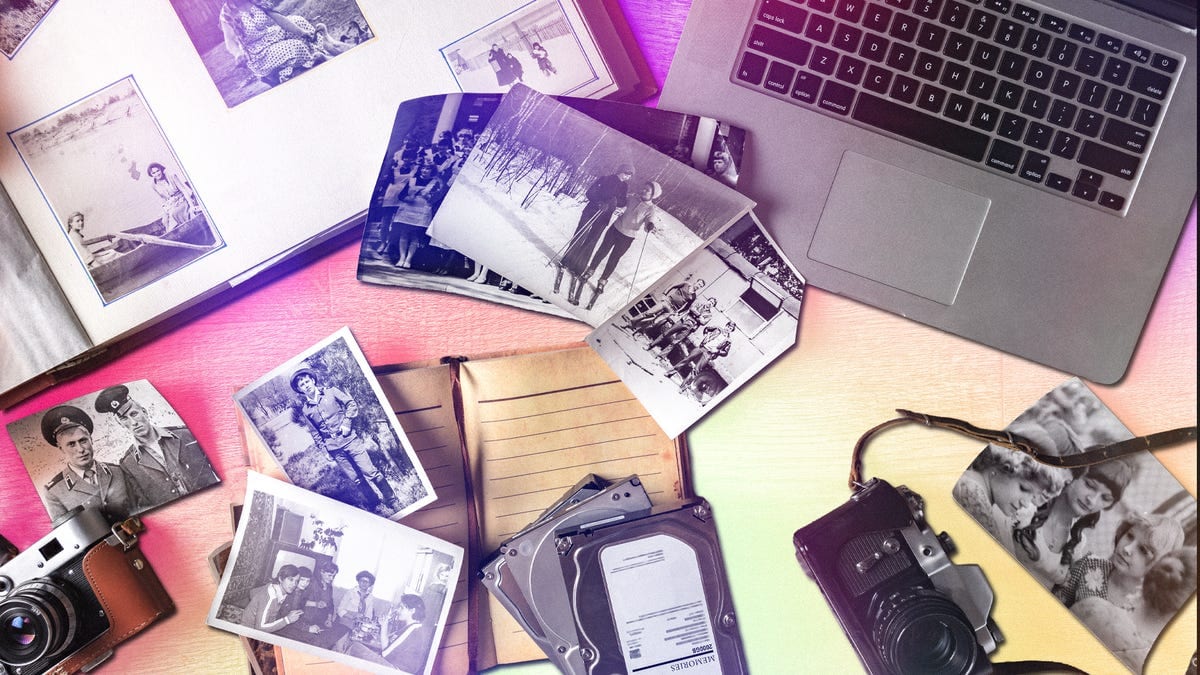
A CNET report published this week details how one person wrestled thousands of scattered photos and videos into order, and in the process cut their subscription costs and rescued years of personal history. The CNET writer describes slashing storage fees and, more importantly, coming away with a hard lesson in how to back up irreplaceable memories before a platform change or account problem wipes them out.
The account lands at a moment when more people rely on a mix of phones, laptops and cloud services to store family archives, but few have a clear plan for what happens when those services fill up or disappear. The CNET story turns a private cleanup into a warning about how fragile our digital lives can be, and what anyone can learn from doing the same work now rather than after a crisis.
Key facts
- Source
- CNET
- Reported
- July 5, 2026
- Desk
- general
- Follow the story
- Spinn Radio Talk
Why the CNET photo cleanup story matters right now
The CNET piece, reported on July 5, 2026, speaks to a familiar problem: years of photos and videos scattered across devices and online accounts, from laptops and phones to multiple cloud lockers. The writer describes finally confronting that sprawl, then emerging with both lower storage subscription fees and a clearer backup plan for their "priceless memories." The report frames the cleanup not as a weekend tidy-up, but as a structural rethink of where personal media lives and how it is protected.
That timing is significant. As more services nudge users toward bigger paid tiers, stories about cutting those costs while keeping control of personal archives carry extra weight. The CNET account suggests that it is possible to trim recurring fees without deleting meaningful content, as long as you understand which copies matter, where they live, and which subscriptions are just propping up redundant or forgotten backups.
“The CNET cleanup turns an annoying chore into a blueprint for paying less while protecting more.”
How scattered cloud storage became a problem
The core of the story is a familiar drift. Over years, the CNET writer accumulated thousands of files across overlapping services, then kept upgrading storage when a phone, email account or photo app complained about running out of space. The result was a patchwork of partial backups and duplicate albums rather than a coherent archive. Each subscription felt small on its own, but together they formed a sizeable, ongoing bill tied to a system the writer did not fully trust.
By spelling out that pattern, the report highlights what is at stake for anyone with years of digital photography. The risk is not just wasted money. It is the possibility that a single account issue wipes out the only copy of a wedding, a graduation, or the last video of a relative. The lesson the writer draws is that sprawling storage habits can hide real vulnerability, especially if no one knows which service holds the definitive versions of key memories.
“Small subscriptions can quietly add up while masking how exposed your only copies really are.”
Spinn Radio
Follow live news on Spinn Radio
What the CNET writer actually changed about backups
Although the CNET article focuses on one person’s experience, it outlines a pattern of choices that reshaped both cost and risk. The writer consolidated thousands of photos and videos, then pared back storage subscriptions once they had a clearer sense of what was stored where. That shift from reactive upgrades to deliberate organization is what enabled lower monthly fees without simply deleting important material.
Equally important is the lesson about redundancy. The writer emphasizes learning "how to back up priceless memories, " which implies moving from scattered, accidental duplicates toward intentional protection. Instead of paying for multiple, overlapping clouds with unclear roles, the cleaned up system separates everyday convenience from long-term safety. For readers, the practical takeaway is to map out where their own full-resolution originals live, then decide which services are truly necessary to keep those originals safe and accessible.
“The breakthrough was moving from accidental duplicates to intentional backups that finally justified the subscriptions that remained.”
What this means for anyone rethinking their own photo archive
The CNET report reads as both a personal narrative and a quiet warning. It suggests that most people will have to face a similar reckoning with their photo and video habits: not just how many files they have, but whether their current mix of services actually reflects what they value. The writer’s experience shows that cost-cutting and preservation can align if you are willing to invest time in sorting, deduplicating and deciding which platforms still deserve your money.
For users, the key question is no longer which cloud offers the cheapest terabyte, but which setup lets them sleep at night knowing a single glitch will not erase years of life. That is what makes the CNET story resonant. It treats cloud bills and account limits as symptoms of a deeper issue, which is the lack of a deliberate strategy for safeguarding the images and clips that matter most.
What to watch next in the personal backup debate
The CNET piece arrives amid a broader shift in how people think about ownership of digital media. As subscription prices evolve and services change their terms, stories like this one are likely to become more common, each forcing a new look at how much control users really have over their own archives. The writer’s experience of cutting storage fees while boosting confidence in their backups hints at a playbook others may follow or adapt.
For now, the report is a snapshot of one person’s course correction rather than a final verdict on any single platform. The larger story will unfold as more users test whether they can simplify their digital lives without losing what they cherish. Spinn Radio is tracking these consumer tech shifts alongside its coverage of music, film, sports and books. Listeners can follow live news and talk on Spinn Radio to hear how stories like this intersect with the platforms that shape their media habits.
“The next phase of this story is not about one service winning, but about users finally deciding what "safe" looks like for their own memories.”
Good to know
Frequently asked questions
What did the CNET writer actually achieve with their photo cleanup?
The CNET writer cut their storage subscription fees and clarified how their photos and videos are backed up. The cleanup turned a messy, scattered archive into a more deliberate system for protecting prized memories.
Why are the CNET photo and video backups a bigger issue than clutter?
The CNET account shows that scattered storage increases the risk of losing priceless memories if a single account fails. It is not only about tidiness, but about whether there is a reliable home for irreplaceable images and clips.
How does this CNET story relate to rising cloud storage costs?
The CNET report links a personal cleanup to the pressure of growing subscription fees. It suggests that organizing and consolidating archives can lower ongoing costs while improving long-term security.
Where can I follow more coverage of digital backup habits?
You can follow more discussion of backup habits and cloud services on Spinn Radio Talk. The platform covers stories like the CNET cleanup alongside wider tech and media news.
Explore more on Spinn Radio: Follow live news and talk on Spinn Radio
Sources