New Hampshire health officials are confirming two cases of cyclosporiasis in the state this year, WMUR reported on July 12, 2026, and are urging residents to take extra care with fresh fruits and vegetables. The intestinal illness is linked to unwashed or contaminated produce, which makes the warning especially relevant in peak summer salad and farm-stand season.
The New Hampshire Department of Health and Human Services is treating the infections as a reminder that even routine grocery shopping and home cooking can carry foodborne risk. With only limited details released so far, the focus is on prevention: how cyclosporiasis spreads, what symptoms to watch for, and how better produce handling can cut the odds of getting sick.
Key facts
- Source
- WMUR
- Reported
- July 12, 2026
- Desk
- general
- Follow the story
- Spinn Radio Talk
What cyclosporiasis is and why New Hampshire is watching it
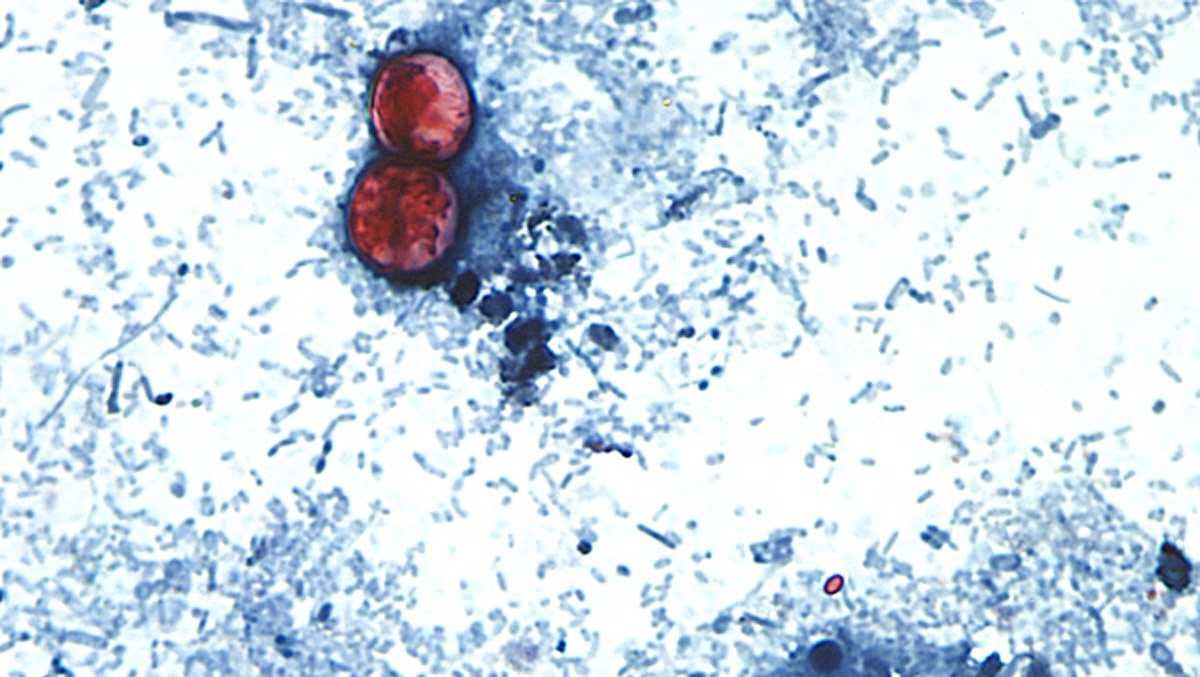
Cyclosporiasis is an intestinal illness that can come from unwashed or contaminated produce. Health officials typically associate it with fresh items that are eaten raw, such as leafy greens, herbs, or certain fruits and vegetables, because they are not usually cooked long enough to kill germs. When the New Hampshire Department of Health and Human Services confirms cases, it signals that contaminated food has already reached consumers and that more people could be exposed if they are not careful about how they clean and prepare produce.
The two confirmed infections reported by WMUR on July 12, 2026 matter because they suggest the parasite that causes cyclosporiasis has found a foothold in the current food supply. Even a small number of cases can prompt public health teams to review distribution chains and consumer habits. The immediate takeaway for residents is simple: pay extra attention to how you wash and handle any fresh produce before it reaches your plate.
“Even a small number of cyclosporiasis cases can be a warning that contaminated produce has already reached home kitchens.”
How cyclosporiasis spreads through unwashed produce
Cyclosporiasis is tied directly to food that has not been properly washed. The microscopic parasite responsible can cling to the surface of fruits and vegetables from the field to the store shelf. If that produce is not rinsed thoroughly at home, it can end up in salads, salsas, or garnishes that people eat raw, which is how the illness reaches the intestines and starts to cause problems.
The warning linked to the New Hampshire cases is less about one specific item and more about consumer habits around fresh food. Rinsing produce under running water, rubbing firm items like cucumbers or apples, and removing visibly damaged or dirty parts are basic steps that cut risk. For anyone preparing large batches of uncooked dishes, such as picnic salads or party platters, careful washing of every ingredient becomes the key takeaway from the current alert.
“The route from field to fork is short for fresh foods, which makes thorough rinsing at home one of the last real chances to stop cyclosporiasis.”
Spinn Radio
Follow live news on Spinn Radio
Symptoms to watch for if you ate fresh produce recently
Intestinal illnesses like cyclosporiasis most often show up as stomach and digestive problems after someone has eaten contaminated food. While New Hampshire officials have not released case details, the core concern with an illness linked to unwashed produce is that people may dismiss early symptoms as a minor bug or something they ate, then continue to expose others through shared meals or kitchen surfaces.
Anyone who has recently eaten a lot of fresh, uncooked produce and starts to feel persistent digestive trouble should pay attention to how long it lasts and whether it worsens. The cases confirmed in New Hampshire are a reminder to take those signs seriously and to consider contacting a healthcare provider if symptoms do not clear in a reasonable period. Recognizing that a lingering intestinal issue might be tied to contaminated produce is the practical lesson from this stage of the story.
“Treat a lingering stomach issue after heavy fresh-produce meals as a signal, not just an annoyance you can ignore.”
What New Hampshire residents can do right now to cut their risk
With only two cyclosporiasis cases confirmed so far, the most useful response for residents is practical prevention at home. That begins at the sink: wash all fruits and vegetables under clean running water before eating, cutting, or cooking, even if the item looks clean. For items with tougher skins, a gentle scrub can help dislodge dirt and organisms that simple rinsing might miss.
Another step is to keep raw produce separate from raw meat and seafood in the kitchen, which reduces the chance of cross-contamination on cutting boards and knives. People who prepare food for others, whether at home gatherings or community events, have an extra responsibility to clean produce thoroughly, since a single contaminated batch can affect many people. The New Hampshire cases, as reported by WMUR, are a timely reminder that small changes in daily kitchen routines can have an outsized effect on community health.
“The sink and cutting board are where New Hampshire residents have the most power to stop the next cyclosporiasis case before it starts.”
Where to follow updates on the New Hampshire cyclosporiasis cases
Since WMUR first reported the two confirmed infections on July 12, 2026, health officials have treated the situation as a developing story rather than a closed incident. That means guidance could shift as they learn more about what foods were involved, where they were sold, and whether additional people are affected. For now, the public message is focused on vigilance and safe food handling.
Residents who want to keep up with new advisories, potential product alerts, or broader public health guidance can track ongoing coverage and expert commentary on Spinn Radio. Our news and talk programming follows state health briefings, local reporting, and national food safety trends, and brings them together in one place. To hear live updates and discussion as this story develops, follow live news and talk on Spinn Radio and keep an ear out for new information from New Hampshire officials.
“Treat this as an unfolding food safety story, not a one-day headline that can be ignored once the broadcast ends.”
Good to know
Frequently asked questions
What is happening with cyclosporiasis cases in New Hampshire?
New Hampshire health officials have confirmed two cases of cyclosporiasis. WMUR reported the infections on July 12, 2026, prompting renewed warnings about food safety.
How do people usually get this intestinal illness?
People typically get cyclosporiasis from unwashed or contaminated produce. The current New Hampshire cases highlight the risk of eating raw fruits and vegetables that have not been rinsed thoroughly.
What should I do if I recently ate a lot of fresh produce?
If you recently ate a lot of fresh produce and develop persistent digestive issues, you should pay close attention to your symptoms. The cases in New Hampshire are a reminder to contact a healthcare provider if problems linger or worsen.
How can I reduce my risk of cyclosporiasis at home?
You can reduce your risk of cyclosporiasis by washing all fruits and vegetables thoroughly under running water before eating or cooking them. Keeping raw produce separate from raw meats and cleaning kitchen tools also helps limit contamination.
Explore more on Spinn Radio: Follow live news and talk on Spinn Radio
Sources