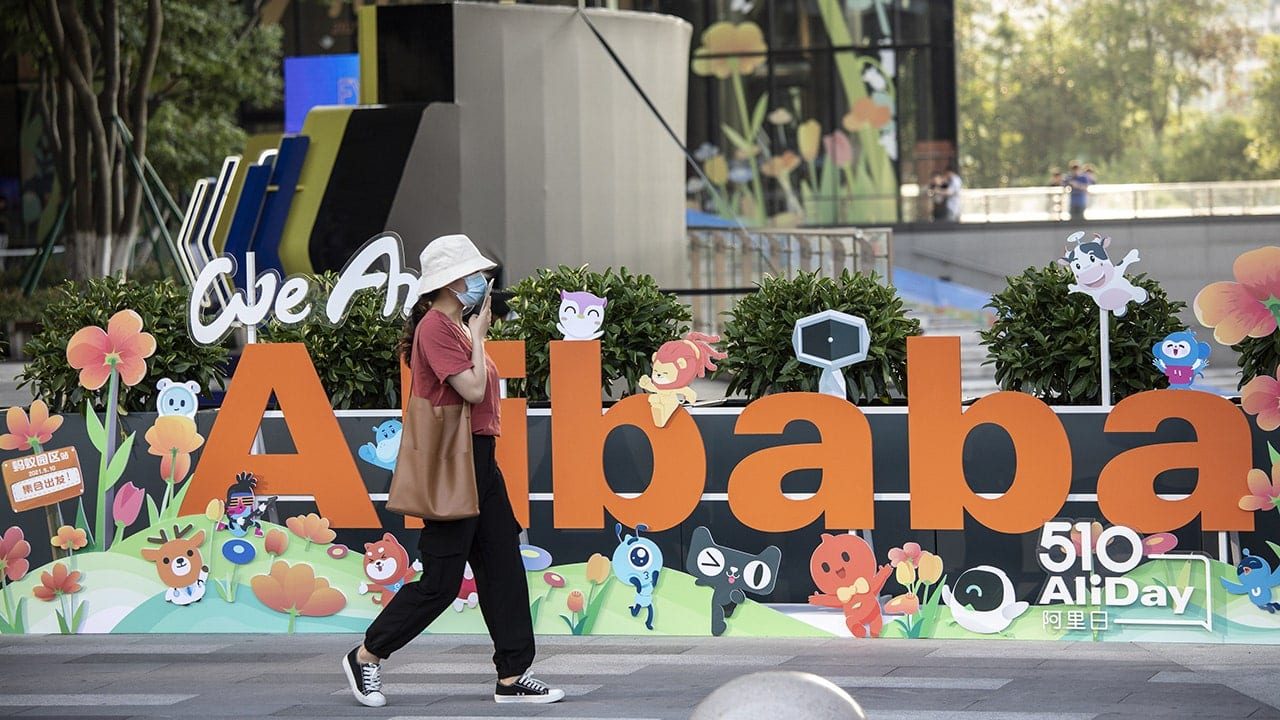
Alibaba will pay $600 million to the U.S. Department of Justice after admitting its online marketplaces failed to stop tens of thousands of illegal pharmaceutical and controlled substance sales, Fox Business reported on July 1, 2026. The deal marks one of the most significant U.S. enforcement actions yet involving a major global e‑commerce platform and illegal drug trafficking online.
The settlement puts Alibaba at the center of a growing clash between digital marketplaces and regulators who say these platforms have not done enough to curb unlawful sales. It also sends a signal to other tech companies that U.S. authorities are prepared to extract large penalties when illegal products move at scale through their systems.
Key facts
- Source
- Fox Business
- Reported
- July 1, 2026
- Desk
- general
- Follow the story
- Spinn Radio Talk
What Alibaba admitted in the $600 million DOJ deal
According to Fox Business reporting, Alibaba agreed to pay $600 million after acknowledging that its online marketplaces were used for tens of thousands of illegal sales involving pharmaceuticals and controlled substances. The core admission is not just that bad actors used the site, but that Alibaba "failed to prevent" those transactions at the platform level. For a global marketplace built on massive third‑party seller networks, that failure is now carrying a nine‑figure price tag.
The phrase "tens of thousands" is a key detail. It indicates the activity was not a handful of rogue listings, but a recurrent pattern that persisted long enough, or at sufficient scale, for the Department of Justice to demand a major settlement. Even without a detailed public charge sheet, the sheer size of the penalty underscores how seriously federal authorities view the misuse of large platforms for illegal drug distribution.
“The price of looking the other way on illegal listings has just been set at $600 million.”
Why U.S. regulators are targeting online marketplaces now
The Alibaba deal fits a wider enforcement shift as regulators scrutinize how online marketplaces police what sellers offer on their platforms. U.S. authorities have grown increasingly concerned that digital storefronts can act as frictionless distribution channels for illegal drugs, including controlled substances that normally require strict oversight. When those sales move into lightly monitored corners of big platforms, traditional safeguards at pharmacies and licensed distributors are bypassed.
By forcing Alibaba to admit its compliance failures and pay $600 million, the DOJ is signaling that the era of treating illegal listings as purely a seller problem is ending. Platform operators are being treated as gatekeepers with their own legal exposure when screening systems and enforcement tools fall short. Other large marketplaces will be watching this outcome closely as they weigh whether their existing controls over pharmaceuticals, chemicals, or gray‑market goods can withstand the kind of scrutiny Alibaba just faced.
“This settlement reframes illegal listings as a platform failure, not only a seller scam.”
Spinn Radio
Follow live news on Spinn Radio
What this settlement could mean for Alibaba going forward
A $600 million payout is material for any company, but the larger cost for Alibaba may lie in what this deal implies for its business model and compliance architecture. Agreeing that its marketplaces "failed to prevent" large numbers of illegal pharmaceutical and controlled substance sales invites tougher questions from regulators, investors, and partners about how the company vets sellers and polices risky product categories.
In practical terms, Alibaba is likely to face pressure to overhaul its monitoring of drug‑related listings, to limit the types of pharmaceuticals that can be offered, or to tighten identity checks on sellers in sensitive categories. The settlement also raises reputational stakes as policymakers and the public weigh how much trust to place in large platforms that function as cross‑border retail infrastructure. Even without public disclosure of every remedy, the scale of the payment suggests the DOJ expects Alibaba to invest heavily in compliance so this pattern does not repeat.
“For Alibaba, the real test starts after the check clears: can it prove its marketplaces are under control?”
How the DOJ settlement could reshape online platform rules
For regulators, landing a $600 million payment from a global e‑commerce leader strengthens the argument that platforms must share responsibility for what flows through their systems. It sets a concrete reference point for future negotiations with other firms whose marketplaces or app stores may be exploited for illegal drug sales. Companies that handle third‑party listings, from general retailers to niche platforms, now have a fresh example of what U.S. authorities are prepared to do when they judge internal controls to be inadequate.
The case is also likely to feed into ongoing policy debates over how much legal liability platforms should shoulder for user and seller behavior. Lawmakers looking at everything from counterfeit goods to opioids can point to this settlement as evidence that big penalties are both possible and politically popular. Even in the absence of new legislation, the DOJ's use of settlement leverage here will encourage more aggressive investigative strategies targeting the infrastructure of online commerce, not just street‑level dealers or individual websites.
“The Alibaba deal gives prosecutors a new benchmark for pricing platform failures in the online drug trade.”
Where to follow the next developments in the Alibaba case
Key details still to watch include whether U.S. authorities announce follow‑on actions, whether Alibaba publicly outlines new safeguards on its marketplaces, and how other platforms respond to the precedent. Investors, compliance officers, and anyone who relies on large e‑commerce sites for legitimate trade will want to see if this marks a turning point in how online marketplaces are governed.
As additional information emerges or related investigations surface, you can track the latest analysis and reaction on Follow live news and talk on Spinn Radio. Spinn Radio's talk coverage will continue to monitor how regulators, tech companies, and consumers adjust to a world where platform failures on illegal drug sales can trigger $600 million consequences.
“This story does not end with a settlement figure; it continues in how every major marketplace responds next.”
Good to know
Frequently asked questions
What did Alibaba agree to pay in the DOJ settlement?
Alibaba agreed to pay $600 million to the U.S. Department of Justice. The payment follows the company admitting its marketplaces failed to stop tens of thousands of illegal drug sales.
Why is Alibaba facing U.S. scrutiny over its marketplaces?
Alibaba is under U.S. scrutiny because its online platforms enabled tens of thousands of illegal pharmaceutical and controlled substance sales. Regulators view the failure to block those listings as a serious platform‑level compliance problem.
What exactly did Alibaba admit about the illegal sales?
Alibaba admitted that its online marketplaces failed to prevent tens of thousands of illegal pharmaceutical and controlled substance transactions. That admission goes beyond individual bad actors and acknowledges a systemic breakdown in how the platform policed those listings.
How could this settlement affect other online marketplaces?
The settlement could push other marketplaces to tighten controls on pharmaceuticals and controlled substances to avoid similar penalties. The $600 million figure gives regulators a powerful benchmark when they confront other platforms over illegal listings.
Explore more on Spinn Radio: Follow live news and talk on Spinn Radio
Sources