Twenty Years After by Alexandre Dumas lands differently in a week of headlines about long waits, second chances, and deep time horizons. When Outlook India writes about a "27-Year Wait" reshaping strategy, or The Economic Times reports on a lottery win that hits twice in one day, it is hard not to think about what twenty actual years do to people, to loyalties, and to the stories we tell about courage.
Dumas’s sequel to The Three Musketeers lives inside that gap. It is Action & Adventure Fiction stretched over 90 chapters and an entire generation, written in the nineteenth century and still sharp in English today. In audiobook form on Spinn Radio, it feels like a long conversation with old friends who have changed in ways you do not expect.
Key facts
- Author
- Alexandre Dumas
- Genre
- Action & Adventure Fiction
- Published
- 1856
- Language
- English
- Chapters
- 90
What is Twenty Years After about, and how does it follow The Three Musketeers?
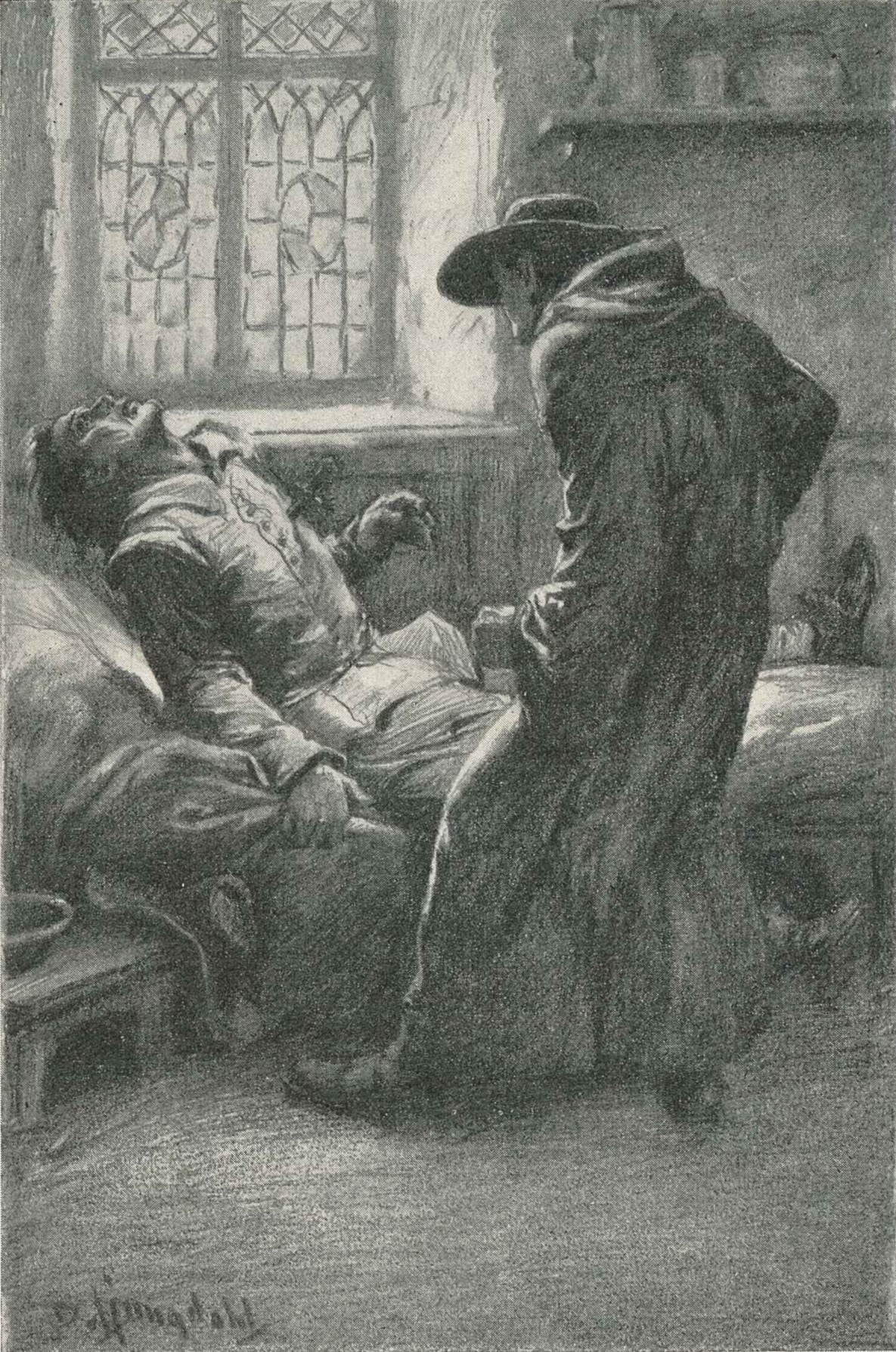
Twenty Years After continues what Dumas called the D'Artagnan Romances, picking up after the events readers know from The Three Musketeers. The premise is built into the title. Twenty actual years have passed. The four heroes have scattered, aged, and made their compromises, and now history drags them back into one another’s orbit. The continuity is emotional as much as plot driven. You come for the swordplay, you stay to see how time has marked Athos, Porthos, Aramis, and d’Artagnan.
Because this is Action & Adventure Fiction, the story moves. Intrigues pile up across 90 chapters, characters are tested inside political storms rather than tavern brawls, and every alliance has a fault line running through it. If you loved the energy of The Three Musketeers, the concrete takeaway here is simple: this is the next, larger movement of the same symphony, with the tempo slightly slower and the stakes much higher.
“You come for the swordplay, you stay to see how twenty years have marked the musketeers.”
How Alexandre Dumas and his era shaped Twenty Years After
Alexandre Dumas published Twenty Years After in 1856, deep in the nineteenth century, when serial Action & Adventure Fiction was being read hungrily in newspapers and books across Europe. That timing matters. Dumas was writing for readers who expected long arcs and cliffhangers, who wanted to live with characters across years and volumes rather than a single compact novel.
You can feel that serial energy in the sheer size of this book. Ninety chapters is a design choice as much as a number. It lets Dumas braid personal loyalty with public turmoil, and it lets small decisions echo across hundreds of pages. The historical distance for modern listeners becomes part of the charm: you are hearing a writer from 1856 think in installments, yet his sense of pacing and character still fits neatly into an audiobook queue today.
“Ninety chapters is not indulgence; it is Dumas building space for loyalty, politics, and regret to collide.”
Spinn Radio
Listen to Twenty Years After on Spinn Radio
Why Twenty Years After still works for listeners now
The endurance of Twenty Years After is not an accident. At heart it is a story about what happens after the heroic years, when fame fades, bodies tire, and ideals clash with experience. That question feels current in any era, whether you are reading nineteenth‑century fiction or scrolling through this week’s Economic Times piece about a homebuyer waiting from 2012 to 2032 for a flat. Time tests people. Dumas leans into that.
Because the book is grounded in Action & Adventure Fiction, the philosophical weight never turns into abstraction. The musketeers move through conspiracies, rescues, and reversals that are concrete enough to picture even while you commute or cook. The clear takeaway for new listeners: if you want classic adventure that also cares about how people grow older, this is the rare sequel that deepens the original instead of just repeating it.
“If The Three Musketeers is youth in motion, Twenty Years After is what happens when the bill for youth finally comes due.”
What the 90-chapter structure means for your audiobook queue
For audiobook listeners, the most practical fact about Twenty Years After is its length: 90 chapters in English. That does not just mean it is long. It means it is naturally modular. You can treat the book like a series, picking up two or three chapters at a time, or settle in for longer stretches when a plotline hooks you. Each chapter pays off with movement, since Dumas was writing for readers who could not afford to be bored between installments.
Listening in English also matters. You are hearing a nineteenth‑century French writer through the filter of another language, which adds an extra beat to the dialogue and descriptions. That slight formality can help on audio. Names and key moments stand out, and you get the sense of being read to from a classic that knows it is a classic. The key takeaway: this is not a one‑evening listen. It is a companion for weeks, the sort of book you can leave and return to without losing the thread.
“Ninety chapters turn Twenty Years After into more than a novel; they make it a season‑long listening project.”
How to approach Twenty Years After if you loved The Three Musketeers
If you are arriving from The Three Musketeers, you are already invested in the D'Artagnan Romances. Twenty Years After rewards that investment by refusing to freeze the characters in their prime. Expect familiar personalities, not familiar situations. The joy comes from seeing how the qualities you remember play out under new pressures, and how affection survives, or fails, over a twenty‑year gap.
A useful way to listen is to treat the early chapters as a reintroduction. Let yourself notice what has changed since the first book rather than racing for immediate resolution. That mindset turns each reunion, each conflict, into something larger than plot. The result is that by the time you reach the later stretches of this Action & Adventure Fiction epic, you are not just following twists. You are weighing two decades of loyalty, compromise, and courage along with the musketeers themselves.
“Treat the opening chapters as reunions, not recaps, and the whole saga opens up emotionally.”
Good to know
Frequently asked questions
Who wrote Twenty Years After?
Twenty Years After was written by Alexandre Dumas. He continued his D'Artagnan Romances with this sequel to The Three Musketeers.
What genre is Twenty Years After?
Twenty Years After is Action & Adventure Fiction. It carries the swashbuckling energy of The Three Musketeers into a more expansive, politically charged story.
When was Twenty Years After published?
Twenty Years After was published in 1856. It belongs firmly to the nineteenth century era of serialized adventure fiction.
How many chapters are in Twenty Years After?
Twenty Years After has 90 chapters. That generous length makes it especially well suited to episodic audiobook listening.
What language is Twenty Years After available in on Spinn Radio?
Twenty Years After is available in English. The language gives modern listeners direct access to Alexandre Dumas’s nineteenth century adventure.