George Eliot is back in the news this week, with the Coventry Telegraph reporting on new homes planned for part of the historic estate that inspired The Mill on the Floss. It is a reminder that Mary Ann Evans, writing as George Eliot, rooted her fiction so firmly in real English landscapes that town planners in 2026 are still negotiating with her shadow.
On Spinn Radio you can hear that landscape in your ears: the lanes and fields of Adam Bede, the tight-knit village of Silas Marner, the cosmopolitan swirl of Daniel Deronda. Eliot’s novels were once serialized for Victorian readers; now they unfold chapter by chapter in audio, perfectly suited to long commutes and late-night listening.
Key facts
- Era
- Classic
- Genres
- classics, literary
- Country
- England
- Lived
- 1819-1880
- Notable works
- Middlemarch, Silas Marner
- Audiobooks on Spinn Radio
- Silas Marner; Daniel Deronda; Adam Bede
Who George Eliot was and why her Victorian world matters
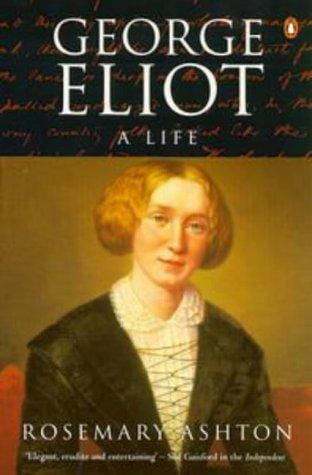
George Eliot was the pen name of Mary Ann Evans, an English novelist, poet, journalist, and translator who lived from 1819 to 1880. Writing at the height of the Victorian era, she became one of its leading literary figures and helped define what we now call classics and literary fiction. Her work is anchored in provincial England and in the everyday moral choices of ordinary people, rather than in courtly intrigue or melodrama.
Across seven novels, including Adam Bede (1859), The Mill on the Floss (1860), Silas Marner (1861), Romola (1862-1863), Felix Holt, the Radical (1866), Middlemarch (1871-1872), and Daniel Deronda (1876), she built a body of work known for realism, psychological insight, and a precise sense of place. The countryside is never just scenery; it shapes temperament, class, and fate. Listening to her on audio today, you can still feel that Victorian social pressure in the smallest village gossip or market-day encounter.
If you are new to her, Silas Marner on Spinn Radio is one of the most approachable entry points. It is compact by Victorian standards and showcases her favourite terrain: an English village where work, religion, and reputation hold lives in a tight grip.
“Eliot makes Victorian provincial life feel close enough that a village rumour sounds like it was whispered in your own local pub.”
What George Eliot’s novels are about: realism, conscience, countryside
Eliot’s great subject is the inner life colliding with social reality. Her fiction is known for realism and psychological insight, which means characters do not act as types or symbols; they hesitate, rationalise, blunder, and grow. In Silas Marner, that realism comes through in a weaver’s slow journey from betrayal and isolation toward unexpected belonging. In Adam Bede, it is the clash between plainspoken rural decency and romantic idealism. In Daniel Deronda, it is the pull between inherited expectations and a search for a more meaningful identity.
Threaded through all of this is a strong sense of place. Eliot’s detailed depiction of the countryside is not only visual but social: who owns land, who works it, who is pushed to the edges. When the Coventry Telegraph reports on plans for the estate that inspired The Mill on the Floss, it underlines how precisely she observed real landscapes and communities around her home region.
Thematically, you hear her circling the same questions from different angles. How much do we owe to our neighbours. Can a single act of kindness, or of cowardice, bend an entire life. How do class and religion shape what feels possible. The takeaway is simple and powerful: if you want Victorian fiction where everyday ethical choices matter more than plot contrivances, Eliot is the one to queue up.
“Eliot’s real drama is moral, not melodramatic: a choice at a kitchen table can alter a whole village.”
Spinn Radio
Explore George Eliot on Spinn Radio
Why George Eliot’s work endures, from Middlemarch to today
Even among Victorian heavyweights, Eliot’s staying power is remarkable. Middlemarch in particular has drawn extraordinary admiration. Virginia Woolf described it as “one of the few English novels written for grown-up people, ” and writers like Martin Amis and Julian Barnes have called it the greatest novel in the English language. That reputation spills over onto everything she wrote, including the shorter books that many listeners start with.
Part of the endurance comes from how modern her emotional intelligence feels. Eliot is fascinated by how people misread each other’s motives, how self-interest disguises itself as virtue, and how love gets tangled with duty. A recent piece in The Economic Times spotlighted her remark about animals as “agreeable friends” who “ask no questions” and “pass no criticism, ” using it to talk about kindness and empathy. That is the same sensibility her novels offer: a sympathetic but unsparing look at human frailty.
For listeners, this means an Eliot audiobook rarely feels like homework. The historical details are Victorian, but the dilemmas are recognisable: wanting to belong, fearing judgment, trying to act decently in a system that is not always fair. If you are curious about why critics still argue for her greatness, Silas Marner, Daniel Deronda, and Adam Bede on audio give you three distinct windows into that reputation without committing immediately to Middlemarch.
“Eliot feels modern because she is less interested in corsets and carriages than in jealousy, disappointment, and quiet acts of courage.”
Choosing your first George Eliot audiobook on Spinn Radio
On Spinn Radio you can jump straight into three of Eliot’s seven novels: Silas Marner, Daniel Deronda, and Adam Bede. All are classic, literary fiction from England’s Victorian era, but they offer different entry points for listeners with different appetites.
Silas Marner is the most compact and tightly focused. It follows a solitary weaver whose life is transformed by an unexpected child, and in audio it feels almost like an extended novella, intimate and concentrated. If you want to sample Eliot’s realism and village life without a sprawling cast, start here and cue it up via Listen to Silas Marner.
Adam Bede widens the canvas to a rural community where a gifted carpenter, a charismatic preacher, and a vain beauty collide. The countryside detail that Eliot is famous for comes through strongly, so it is a good choice if you enjoy immersive pastoral settings. You can drop into that world on Listen to Adam Bede. For listeners ready for something more ambitious and cosmopolitan, Daniel Deronda, available via Listen to Daniel Deronda, brings her psychological realism into a larger, more varied social world.
“Start small with Silas Marner’s tight village drama or go big with Daniel Deronda’s broader social sweep; either way, Eliot rewards close listening.”
What the listening experience of George Eliot is actually like
Eliot’s prose was written for patient 19th‑century readers, but it translates surprisingly well to 21st‑century ears. Sentences are full and rhythmic, ideal for being read aloud, and the narrator’s guiding voice, a hallmark of her style, becomes almost conversational in audio. You hear her clarifications and asides not as interruptions on the page but as a storyteller leaning toward you to make sure you catch the nuance.
Because her novels are classic and literary, the pacing is deliberate rather than frenetic. This suits long, steady listening sessions: a commute routine, weekend walks, or quiet evenings. The gain is depth. You have time to sit with a character’s bad decision in Adam Bede, or to feel every turn in Silas’s shift from suspicion to trust. That psychological insight, which critics have praised for more than a century, registers especially clearly when a voice carries you through each turn of thought.
If you prefer to browse by mood rather than by title, the easiest way in is to head to George Eliot on Spinn Radio and pick the story that matches your current headspace: tightly woven village tale, broad social panorama, or something in between.
“Hearing Eliot aloud turns her famous psychological insight into something almost cinematic, each hesitation and half-truth given its own beat.”
Good to know
Frequently asked questions
Who was George Eliot?
George Eliot was the pen name of Mary Ann Evans, an English novelist, poet, journalist, and translator who lived from 1819 to 1880. She became one of the leading writers of the Victorian era.
When did George Eliot live?
George Eliot lived from 1819 to 1880. Her lifetime places her squarely in the Victorian era in England.
What genre are George Eliot’s books?
George Eliot’s books are classics in the literary genre. They are known for realism, psychological insight, and detailed depictions of English countryside life.
Which George Eliot audiobooks are on Spinn Radio?
Spinn Radio currently offers George Eliot audiobooks of Silas Marner, Daniel Deronda, and Adam Bede. Together they give a strong sense of her range from tight village drama to wider social fiction.
What are George Eliot’s most notable works?
George Eliot’s most notable works include Middlemarch and Silas Marner. Middlemarch is widely praised by later writers, while Silas Marner remains one of her most accessible novels.
Explore more on Spinn Radio: George Eliot on Spinn Radio · Browse the authors directory · Listen to Silas Marner · Listen to Daniel Deronda