World Cup 2026 is finally underway, and it already feels different. Livemint is asking if you can watch matches for free with a VPN, pubs across India are planning all‑night screenings after a new broadcast deal, and the USA is back playing a World Cup finals game on home soil, as The Hindu points out, for the first time since 1994.
At the same time, LBC is reporting hundreds of empty seats at early matches despite official claims of near-capacity crowds, and the Times of India is mourning Brazil’s 1970 World Cup winner Brito just as the country steels itself for another shot at the trophy. The global picture around the World Cup in 2026 is messy, emotional, and very alive, which is exactly why fans are glued to it on Spinn Radio.
Why the World Cup still matters so much in 2026
The World Cup remains the one football event that genuinely stops conversations in every corner of the planet. Even in 2026, the ripple effects are obvious: from Indian pubs fast‑tracking deals and setups after a fresh broadcast agreement, as reported by Hindustan Times, to fans in North America adjusting their daily routines around local kickoffs. This is the same tournament that produced Brazilian greats like Brito, whose death at 86 just before Brazil’s 2026 campaign has been framed by the Times of India as national heartbreak, and it still carries that emotional weight.
Those empty seats noted by LBC at the second match of this World Cup have sparked debate about ticketing, pricing and tournament logistics, but they have not dulled the stakes. Every match still feels like a referendum on a footballing culture, a generation of players, and a country’s self‑image. That tension is what keeps supporters checking line‑ups on their phones, sneaking headphones into work and tuning in via Follow live sports on Spinn Radio.
“Every World Cup match still feels like a referendum on a country’s footballing culture and a generation’s dreams.”
Key World Cup storylines fans are already talking about
One of the most powerful narratives this year is the United States playing a World Cup finals match on home soil for the first time since 1994, highlighted by The Hindu. It is not just a milestone for the US team, it is a marker of how far the football culture there has shifted, from a curiosity in the mid‑90s to packed pubs and serious expectations in 2026. For neutral fans, that first US home‑soil game is a clear appointment‑viewing moment.
Another storyline sits well away from the pitch: how and where fans can actually watch. Livemint’s focus on whether you can see World Cup 2026 games for free using a VPN reflects a broader reality that access has become a core part of the fan experience. Broadcast deals in India, as Hindustan Times reports, are reshaping how pubs schedule late‑night and early‑morning screenings. The takeaway for supporters is simple: this tournament is being defined not just by who scores, but by who can actually get a clean, legal stream in their living room or local bar.
“World Cup 2026 is being defined not just by who scores, but by who can actually get a clean, legal stream.”

Spinn Radio
Follow live sports on Spinn Radio
How the fan experience around the World Cup is changing
In India, the Hindustan Times report on pubs preparing for football fever after the latest broadcast deal is a snapshot of how the World Cup has become an all‑night social ritual. Venue owners are juggling screen sizes, sound systems and kick‑off times to keep fans inside for full double‑headers. For supporters, that means more curated viewing, more shared chants and, inevitably, more arguments about tactics and substitutions over closing‑time rounds.
On the flip side, the LBC story on hundreds of empty seats at the second match, despite claims of an almost full ground, shows a gap that fans are increasingly sensitive to. Supporters notice when the television narrative does not match the visual reality of banks of empty plastic. Those images change how people talk about the tournament, feeding conversations about ticket affordability, local interest and how host nations balance global prestige with genuine community involvement.
If you care as much about the sound of a crowd as the tactical diagrams, the mix of packed Indian pubs and visibly patchy stadium attendances is the real 2026 contrast to track, especially while you listen along on Spinn Radio.
“The real 2026 contrast is packed pubs in India set against visibly patchy attendances inside World Cup stadiums.”
What World Cup history means when legends like Brito pass
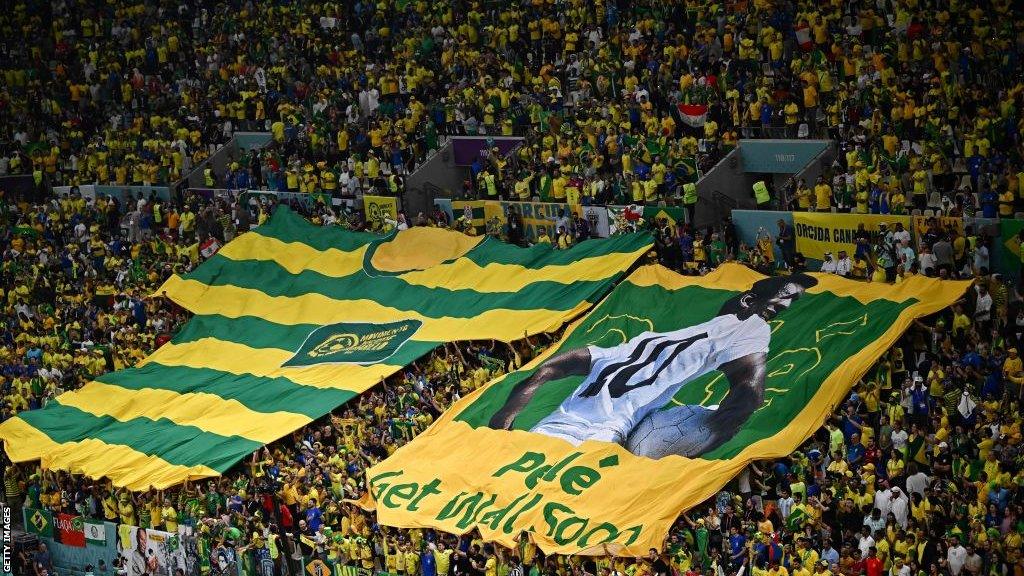
Brazil’s mourning for 1970 World Cup winner Brito, reported by the Times of India, is a reminder that every new tournament sits on top of a deep, emotional history. Even if you never watched him play, the timing of his death at 86, just before Brazil’s 2026 campaign, sharpens how fans there will read every defensive mistake or moment of brilliance from the current back line.
That connection to the past is part of why the World Cup still cuts through. Supporters do not see 2026 in isolation. They see it through the lens of prior triumphs and traumas, from Brazil’s iconic 1970 side to their more recent disappointments. A legend’s passing in the week the tournament begins becomes a quiet sub‑plot to every Brazil match, and for many fans it is the reason a routine group‑stage win or loss can feel like a tribute or a betrayal.
“A legend’s passing in World Cup week turns every routine group match into a quiet tribute or a feared betrayal.”
How to actually follow the World Cup action in 2026
With headlines asking if fans can watch World Cup 2026 for free via VPNs, as Livemint does, and with pubs in India retooling after their new broadcast deal, there is a basic reality for supporters: you need a plan. Know where your local screenings are, check which matches align with friendly time zones, and sort your audio options so you are not scrambling at kick‑off.
For many, the choice will be to pair live pictures with radio or streaming commentary. Platforms like Spinn Radio let you follow games while commuting, working late or sitting in a crowded bar where the TV sound is drowned out. The real takeaway is that in 2026 the World Cup is no longer a single‑screen experience. It is a multi‑device, multi‑venue ritual, and fans who embrace that are the ones who will feel closest to the pulse of the tournament.
“In 2026 the World Cup is no longer a single‑screen event, it is a multi‑device ritual you have to plan for.”
Good to know
Frequently asked questions
What is the World Cup in football?
The World Cup in football is a global tournament that draws national teams and fans together for a concentrated burst of matches and storylines. In 2026 it is defined as much by access and atmosphere as by what happens on the pitch.
How are fans watching World Cup 2026 right now?
Fans are watching World Cup 2026 through official broadcast deals, as highlighted in India by Hindustan Times, and by asking if VPNs can help them watch for free, as reported by Livemint. Many are also following along on radio and streaming platforms like Spinn Radio.
What did Livemint report about World Cup 2026 and VPNs?
Livemint reported on whether you can watch FIFA World Cup 2026 matches for free using a VPN. The story reflects how viewing access and costs are central concerns for fans this year.
What did LBC say about empty seats at the World Cup?
LBC reported that there were hundreds of empty seats at the second match of the World Cup, despite claims that the ground was almost full. The contrast between official numbers and what fans can see on screen has sparked questions about attendance and ticketing.
Who is Brito and how is he linked to World Cup 2026?
Brito was a Brazil defender who won the World Cup in 1970, and the Times of India reported that he died at 86 just before Brazil’s FIFA World Cup 2026 campaign. His passing has become an emotional backdrop for Brazilian fans watching this tournament.
Explore more on Spinn Radio: Follow live sports on Spinn Radio · More stories on the Spinn Radio blog