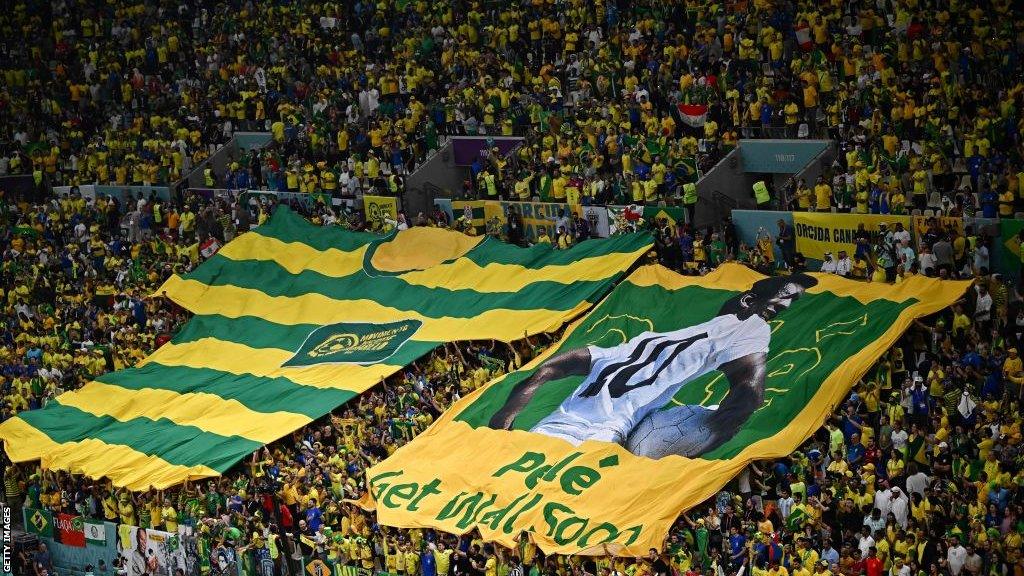
The Brazilian Football Confederation is back in the spotlight this week for two very different reasons. As The Associated Press, WTOP and others report the death of 1970 World Cup winner Brito at 86, Zee News details Neymar’s "good progress" in his race to be fit for the 2026 World Cup.
Those headlines capture the confederation’s whole universe in one snapshot: a body that carries the weight of Brazil’s past, from Mexico 1970 and Brito’s era, while managing the fitness, pressure and expectations around modern icons like Neymar. It is the institution that turns a country’s obsession into organized teams, tournaments and, at its best, unforgettable nights for millions of fans following along on TV, in stadiums or with live coverage on Spinn Radio.
Why the Brazilian Football Confederation matters so much to Brazil
The Brazilian Football Confederation is the governing body that sits behind the yellow shirts, the anthems and the World Cup storylines that define Brazilian sport. Whenever Brito’s name is mentioned in reports from The Economic Times or The Associated Press, it is in the context of a national team that the confederation organizes and represents on the world stage. When Zee News tracks Neymar’s recovery before 2026, it is ultimately the confederation’s senior side that will benefit or suffer from his availability.
That central role is why every era, from Brito’s 1970 triumph to Neymar’s current rehabilitation, gets folded into the same broader narrative. The confederation is the link between generations. It oversees how the national team is put together, how it prepares, and how it appears in the major tournaments that define careers. Whenever Brazil line up at a World Cup, the confederation’s decisions, from coaching appointments to player call ups, are playing out in real time for a global audience.
For fans, the takeaway is simple: when you think of Brazil at a World Cup, you are thinking of the most visible work of the Brazilian Football Confederation. Every headline about a legendary defender like Brito or a superstar forward like Neymar is, at root, a story about how this institution shapes the national team.
“When you think of Brazil at a World Cup, you are really seeing the Brazilian Football Confederation’s work in full color.”
From Brito and 1970 glory to today’s expectations
This week’s coverage of Brito’s death, led by outlets like SFGATE and The Associated Press, sends fans back to one of the defining chapters in Brazilian football history: the 1970 World Cup win. Brito’s role in that tournament embodied a time when Brazil was setting standards that every later team would be measured against. The Brazilian Football Confederation sat behind that success, coordinating a squad that would become a reference point for style and dominance.
That reference point has never gone away. Whenever Brazil arrive at a major tournament now, the expectations that swirl around the current squad are shaped by that 1970 benchmark. The confederation carries the responsibility of honoring that past while understanding that the modern game has changed. Decisions about how adventurous to be, how much to prioritize defensive balance, and which profiles to promote all happen in the shadow of legends like Brito.
For supporters, Brito’s passing is a reminder of what the confederation’s best work looks like: organizing a national team that not only wins but is remembered decades later. Any fan preparing for the next World Cup cycle can use 1970 as a mental measuring stick for what Brazilian teams are still trying to match.
“Brito’s 1970 triumph is the measuring stick every modern Brazilian squad is quietly judged against.”
Spinn Radio
Follow live sports on Spinn Radio
Neymar’s recovery and what it means for the confederation’s 2026 plans
Zee News’ recent update that Neymar is making "good progress" toward a return for the 2026 World Cup is not just a medical bulletin. It is a storyline that cuts straight to the heart of the Brazilian Football Confederation’s planning for the next tournament cycle. Neymar’s fitness could change how Brazil attack, how they market the team, and how much belief fans carry into qualifying and the finals themselves.
For the confederation, a player of Neymar’s stature is both an asset and a pressure point. His presence shapes tactical choices and media narratives in equal measure. A healthy Neymar offers creative solutions on the pitch and guarantees global attention off it, something every governing body knows can translate into commercial and sporting momentum. An absent or half fit Neymar, on the other hand, forces the confederation to lean harder on other talents and storylines.
If you are following Brazil’s build up on Follow live sports on Spinn Radio, Neymar’s rehab updates are one of the key indicators of how optimistic the confederation can afford to be about 2026. Each new report, like the one highlighted by Zee News, nudges expectations up or down for a national team that is permanently judged against its own history.
“Every medical update on Neymar quietly rewrites the Brazilian Football Confederation’s script for 2026.”
How the Brazilian Football Confederation connects fans, media and the team
The Brazilian Football Confederation does not exist in a vacuum. Its choices ripple immediately through the media, into fan conversations and across global coverage. News of Brito’s passing moved swiftly from The Associated Press to WTOP, SFGATE and The Economic Times, creating a shared moment of reflection for fans who may have only known him by name. In the same way, every squad announcement or injury update turns into instant talking points that shape how people feel about the next matchday.
This tight loop between decisions, reporting and fan reaction is the everyday reality of the modern confederation. It has to manage the legacy side, such as honoring 1970 heroes, while dealing with the relentless present of fitness reports, tactical debates and tournament logistics. Supporters tune in from all over the world, often tracking stories through live commentary and analysis on platforms like Spinn Radio, and the confederation’s moves give those broadcasts their narrative spine.
For fans who want to stay plugged in, the practical takeaway is to follow trusted outlets and live hubs. Keeping an ear on coverage via Follow live sports on Spinn Radio and checking features through More stories on the Spinn Radio blog means you are effectively following the daily life of the Brazilian Football Confederation, even when it is operating in the background.
“The confederation makes the decisions, but fans and media turn them into a 24 hour conversation.”
What to watch next from the Brazilian Football Confederation
Looking ahead, two parallel storylines define what to track from the Brazilian Football Confederation. The first is how it continues to honor and integrate its history, something underlined by this week’s wave of tributes to Brito. The way the confederation remembers its 1970 heroes tells you a lot about its values and how it wants future generations of players to see the shirt.
The second storyline is future focused: how the body steers Brazil toward the 2026 World Cup while managing the health and form of key figures like Neymar. Zee News’ reporting on his "good progress" will not be the last update, and each one will subtly influence how coaches, officials and supporters think about Brazil’s ceiling. Between injury news, emerging talents and tactical experiments, there is a constant stream of signals about the direction the confederation is taking.
If you care about where Brazil are heading, the concrete move is to treat these stories as parts of a single arc. Track how tributes to Brito coexist with bulletins about Neymar, and you will see the Brazilian Football Confederation’s real work: keeping the past alive while trying to script the next era of success on the biggest stage. That tension is what will make following Brazil through the 2026 cycle so compelling.
“To understand Brazil’s future, watch how the confederation balances Brito’s memory with Neymar’s recovery.”
Good to know
Frequently asked questions
What is the Brazilian Football Confederation?
The Brazilian Football Confederation is the national governing body responsible for organizing Brazil’s top football teams and competitions. It shapes how Brazil appears at World Cups and other major tournaments.
Who did Brito play for under the Brazilian Football Confederation?
Brito played for Brazil’s national team organized by the Brazilian Football Confederation and helped the country win the 1970 World Cup. His passing at 86 has been widely reported by outlets such as The Associated Press and The Economic Times.
How is Neymar linked to the Brazilian Football Confederation right now?
Neymar is a key player for the Brazilian national team overseen by the Brazilian Football Confederation and is recovering from injury ahead of the 2026 World Cup. Zee News reports he is making "good progress" in that recovery.
Why is the Brazilian Football Confederation in the news this week?
The Brazilian Football Confederation is in the news because Brito, a 1970 World Cup winner, has died at 86 and Neymar is making progress toward returning for 2026. These stories have been reported by outlets including The Associated Press, SFGATE and Zee News.
Where can I follow Brazilian Football Confederation games live?
You can follow matches involving teams organized by the Brazilian Football Confederation through live sports coverage on Spinn Radio. It is a hub for commentary, updates and stories that track Brazil’s football journey.
Explore more on Spinn Radio: Follow live sports on Spinn Radio · More stories on the Spinn Radio blog