Princess of Mars by Edgar Rice Burroughs is one of those early 20th‑century curiosities that keeps refusing to stay in the past. A century after its 1912 publication, this first part of the Mars series still feels oddly electric, the kind of story that begs to be heard out loud rather than quietly admired on a shelf.
Listed simply as Action & Adventure Fiction, it is in fact a full sensory plunge: 29 brisk chapters of an omnipotent Southern gentleman flung onto Mars and dropped into a riot of ape‑, tree‑ and lizardmen, red, white and yellow men, and even “brains on legs.” It is both wildly platitudinous and strangely enthralling, which makes it a perfect candidate for an audiobook listen rather than a reverent read.
Key facts
- Author
- Edgar Rice Burroughs
- Genre
- Action & Adventure Fiction
- Published
- 1912
- Language
- English
- Chapters
- 29
What is the basic story in Princess of Mars?
At its core, Princess of Mars is an old‑fashioned adventure yarn with rocket fuel poured into it. A capable, almost impossibly competent gentleman from Earth finds himself teleported to Mars, where every instinct he has about how the world works needs rapid revision. The planet is not a barren red rock but a crowded stage of warring societies and precarious alliances.
Burroughs arranges Mars as a hierarchy of the bizarre. There are towering ape‑like beings, more delicate tree‑dwellers, lizardmen, and several humanlike “races” distinguished as red, white, and yellow men, plus disembodied “brains on legs” that feel like pure pulp delirium. Survival is the chief law. Strength, agility, and battlefield cunning confer status, and the newcomer from Earth discovers that his physical gifts and old‑world chivalry suddenly matter in disconcertingly literal ways.
Threaded through the duels, captures, and escapes is the figure promised in the title, a princess who conforms to the full “boys’ book” ideal: a beauty is imperiled, and the gentleman hero must save her. The plot is simple if you sketch it on paper. Experienced through an audiobook, though, its mix of cliffhangers, rescues, and shifting Martian scenery becomes a serial you want to binge, chapter after 29 brisk chapter.
“Mars here is not science, it is spectacle: ape warriors, lizardmen, and even disembodied brains marching around on legs.”
Edgar Rice Burroughs, 1912, and the birth of pulp Mars
Princess of Mars was first published in 1912, at a moment when mass‑market magazines were hungry for ongoing adventures and science was just beginning to tug at popular imagination. Burroughs wrote straight into that appetite, giving readers not hard science but an exotic playground labelled Mars, where gravity, atmosphere, and biology bend to narrative convenience.
The book belongs firmly to Action & Adventure Fiction, with all the swagger and moral certainty that implies. Its “omniptotent gentleman, ” as one summary dryly puts it, moves through battlefields and bizarre cities with an almost effortless competence. Women, by contrast, appear as “needy beauties to be saved, ” very much of their era and clearly aimed at boys and young men looking for escapism. The gender politics are dated, and the racialized Martian “races” reflect early 20th‑century hierarchies in thin disguise.
What makes it fascinating to hear now is that mixture of historical limitation and boundless invention. Burroughs was not cataloguing the real Mars, he was extending a Victorian adventure tradition into the cosmos. The year 1912 is not just a publication date to note; it is the key to why the story feels at once familiar and disorienting. You are listening to the moment planetary romance takes shape in real time.
“You are hearing 1912 dream about space, long before rockets could make good on the fantasy.”
Spinn Radio
Listen to Princess of Mars on Spinn Radio
Why Princess of Mars still works for modern listeners
By contemporary standards, Princess of Mars is “a boys’ book for sure, ” full of platitudes about heroism, beauty, and the right of the strongest to rule. That could make it disposable. Instead, the story lands as a strange mix of the deeply conventional and the startlingly imaginative, which is exactly why it continues to draw listeners.
On one hand, you can predict some beats: the gentleman hero will prove more capable than the locals, the princess will need rescuing, enemies will be routed by courage and pluck. On the other, hardly any modern fantasy gives you ape‑, tree‑ and lizardmen sharing a planet with red, white, and yellow men, or a literal society of “brains on legs” bustling around strange bastions and curious apparatuses. Burroughs keeps throwing images at you that feel like they were pulled directly from a fever dream.
That tension between cliché and invention is the hook. Listeners who come for retro pulp pleasures stay for the sheer audacity of the world‑building. The book’s endurance is not about subtle characterization or social nuance. It survives because the setting is noisy, contradictory, and specific enough that even a jaded 21st‑century ear keeps wanting to know what could possibly show up in the next chapter.
“Its endurance has less to do with subtlety and more to do with the feeling that anything might charge over the next Martian hill.”
What the Princess of Mars audiobook listening experience feels like
Princess of Mars unfolds over 29 chapters, each one cut to the size of a magazine installment, which happens to be ideal for audio. Episodes tend to close on some immediate peril or revelation, so the book almost begs you to listen “just one more” before you stop. The structure is paced not for quiet reflection but for momentum.
The language is straightforward, workmanlike, and made for a human voice. Descriptions of “strange bastions” and “curious apparatuses” are short, punchy, and easy to visualize once you hear them performed. An audiobook narrator can lean into the pulp tone: the earnestness of the Earth gentleman, the haughty or desperate pleas of Martian nobles, the guttural menace of ape‑ or lizardmen. Those tonal shifts help smooth over the old‑fashioned gender and racial attitudes by framing them as artifacts of their time rather than instructions for ours.
If you treat it as a serious science fiction novel, the book may frustrate you. If you approach it as a serialized action adventure from 1912, meant to be heard in chunks and enjoyed at face value, the listening becomes liberating. It is easy, swank, pulp entertainment, and hearing it read aloud lets you savor both its absurdities and its flashes of raw imaginative power.
“Heard as it was meant to be consumed, in punchy serial bursts, Princess of Mars becomes less a relic and more a surprisingly bingeable audio serial.”
Who today should actually press play on Princess of Mars?
Princess of Mars is best for listeners curious about the roots of modern fantasy and science fiction, or for anyone who wants a fast, unpretentious adventure. If you enjoy action‑driven narratives, you will find plenty here: duels, daring escapes, battlefield heroics, and the constant question of how an Earth gentleman negotiates a society where “the strongest survives.”
It is also oddly rewarding if you care about genre history. Knowing that this is Part One of Burroughs’s Mars series helps frame what you are hearing as the opening move in a longer experiment with planetary romance. Many later space adventures borrow the idea of a human outsider navigating alien cultures; this is one of the early templates, still rough and loud but full of energy.
The key is to listen with both appreciation and a critical ear. The book’s treatment of women and its Martian “races” belong to 1912, not to now. The thrill lies in experiencing that mash‑up of dated attitudes and wild speculation, and in hearing how much spectacle a single Action & Adventure Fiction novel in English could pack into 29 chapters.
“Treat it as a loud, early prototype for the space adventures you know, and suddenly every pulp excess becomes part of the fun.”
Good to know
Frequently asked questions
Who wrote Princess of Mars?
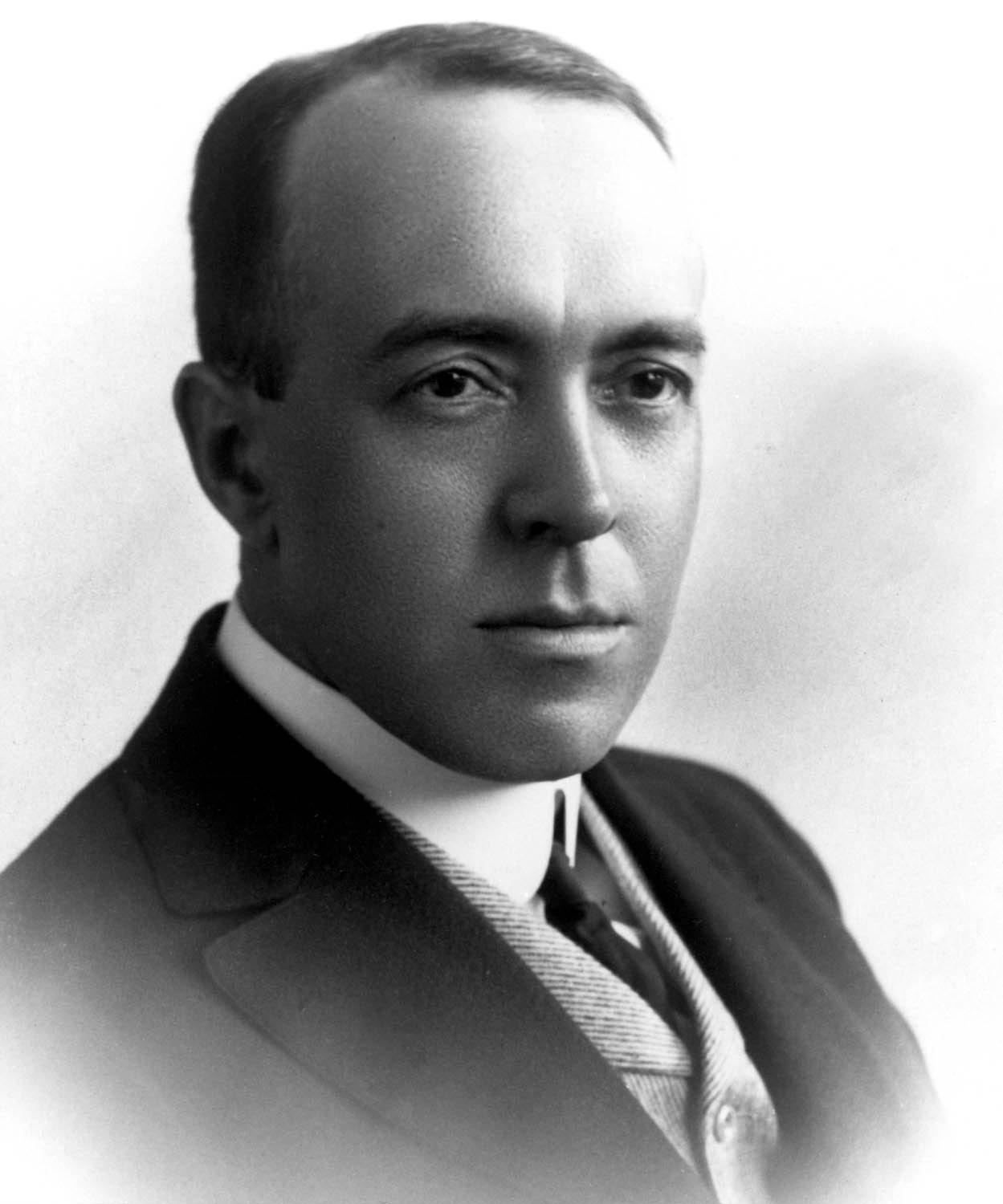
Princess of Mars was written by Edgar Rice Burroughs. He launched his Mars series with this story and helped define early Action & Adventure Fiction set in space.
When was Princess of Mars published?
Princess of Mars was published in 1912. Its early 20th‑century origins shape everything from its gender roles to its pulp, magazine‑style pacing.
What genre is Princess of Mars?
Princess of Mars is classified as Action & Adventure Fiction. The book leans on brisk pacing, battles, rescues, and cliffhangers rather than scientific detail.
How many chapters are in Princess of Mars?
Princess of Mars has 29 chapters. The short, serialized structure makes it particularly well suited to audiobook listening in manageable bursts.
What language is Princess of Mars written in?
Princess of Mars is written in English. The clear, direct prose translates smoothly to audio narration, even for modern listeners.
Sources