One Flew Over the Cuckoo’s Nest has the kind of premise that sounds simple on paper, then lodges in your head for days. A petty criminal fakes insanity to dodge prison, only to find that the mental ward he lands in is its own kind of cage, ruled by a nurse whose control is more terrifying than any locked cell.
Nearly fifty years after its 1975 release, Miloš Forman’s drama still feels raw. At 135 minutes it never wastes a scene, thanks to a cast that includes Jack Nicholson, Louise Fletcher, Brad Dourif, Danny DeVito, and William Redfield, and a slow-burn power struggle that turns group therapy into a pressure cooker.
Key facts
- Released
- 1975
- Runtime
- 135 min
- Genres
- Drama
- TMDB rating
- 8.4/10
- Director
- Miloš Forman
- Starring
- Jack Nicholson, Brad Dourif, Louise Fletcher, Danny DeVito, William Redfield
What is One Flew Over the Cuckoo’s Nest about?
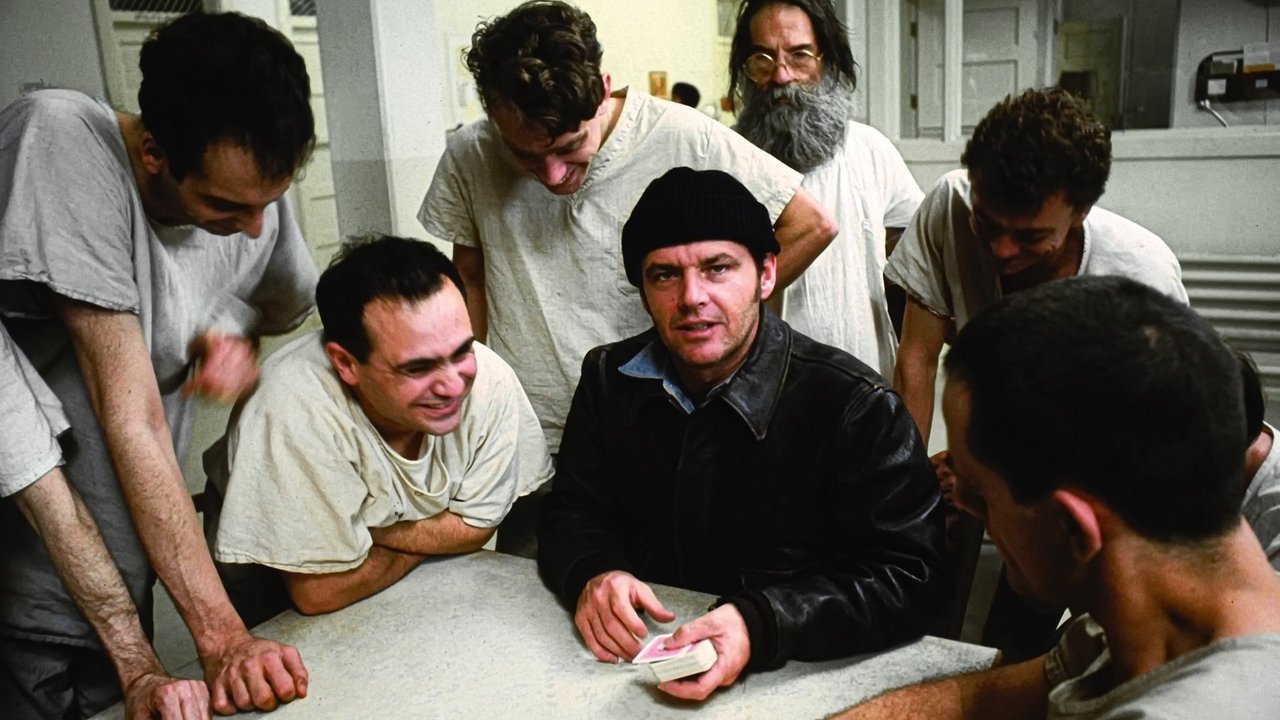
The hook is brutally efficient: a small-time crook decides it will be easier to ride out his sentence in a psychiatric hospital than a standard prison, so he fakes mental illness. Once inside, he realises the ward is tightly controlled by a seemingly calm, impeccably composed nurse whose rules dictate everything from medication to music volume.
The film follows how his defiance upends the routine. Other patients, who have learned to survive by keeping their heads down, start to lean toward his side. Games, jokes, and minor rule-breaking become acts of rebellion in a place where any outburst can be chalked up as a symptom.
It is a drama, but not a wall-to-wall bleak one. The ward is full of idiosyncratic characters, and moments of rough, rowdy humor sit right next to scenes that are deeply uncomfortable. That whiplash is part of what makes the story sting: you watch how fast a good day can turn on a dime when power is abused.
“The film turns petty rule-breaking into an act of survival, then asks what it costs to push back.”
Miloš Forman’s direction and the 1975 setting, in plain sight
Released in 1975, One Flew Over the Cuckoo’s Nest lands squarely in a decade when Hollywood dramas were getting tougher and more willing to stare institutions in the face. Director Miloš Forman keeps things visually unshowy, which is exactly why it works: the ward feels like a place you might walk into by accident rather than a stylised movie set.
Forman lets scenes breathe. Group meetings stretch long enough that you sense who is fidgeting in the corner, who is eager for approval, who is one sharp word away from a meltdown. The camera hangs back, and you start to feel the routines: pill time, line-ups, lights-out. When the rhythm finally breaks, it feels seismic because you know what “normal” looks like here.
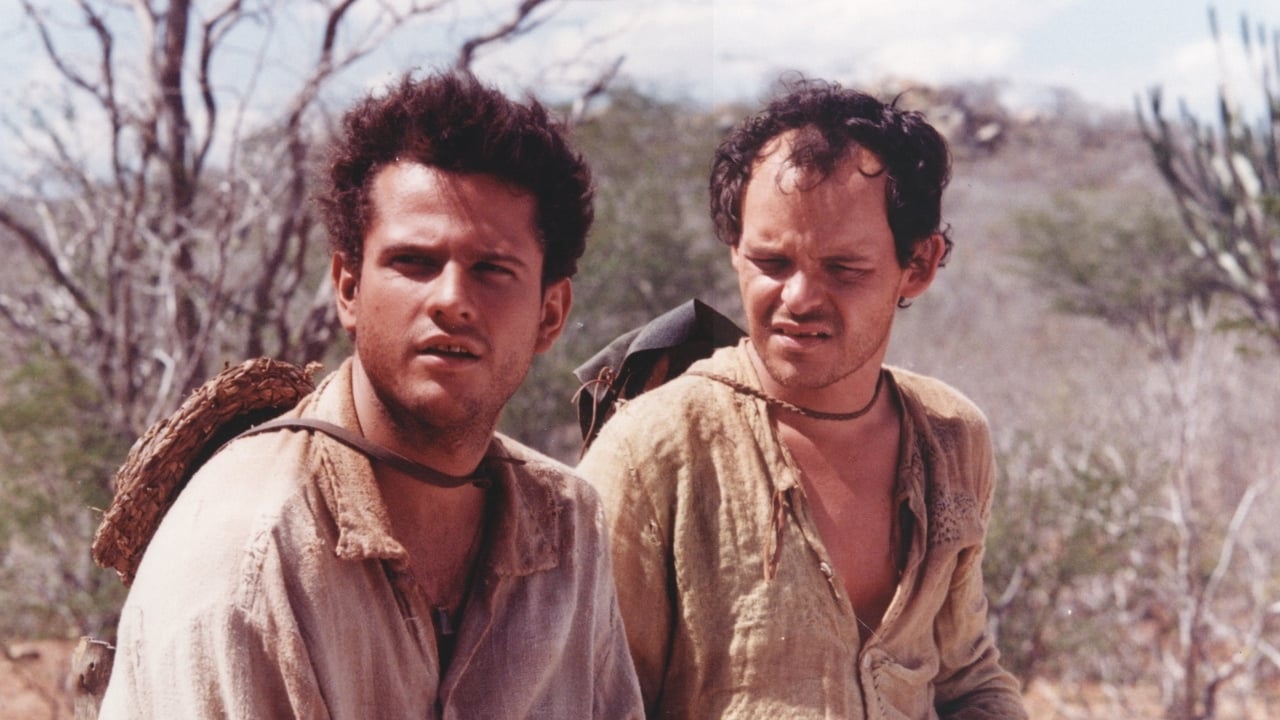
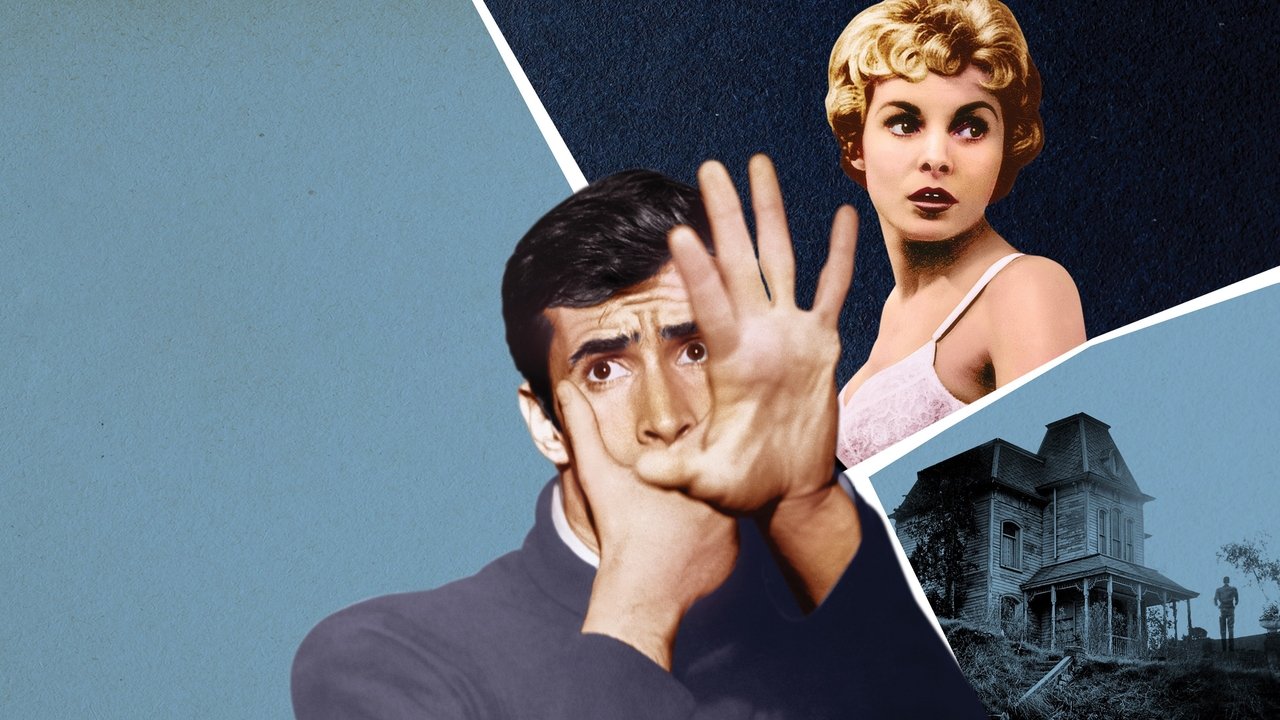
If you are coming from more heightened genre fare like the psychological tension of Shock or big, operatic literary adaptations such as Anna Karenina, Cuckoo’s Nest can feel deceptively simple. That simplicity is the trick. The film’s big ideas about freedom, control, and sanity all sit inside very ordinary rooms.
“Forman hides his boldest ideas inside fluorescent-lit routine and chipped paint.”

Spinn Radio
Watch One Flew Over the Cuckoo's Nest on Spinn Radio
Jack Nicholson, Louise Fletcher, and a ward full of unforgettable faces
This is one of Jack Nicholson’s defining performances, and not because he plays a charming rogue on autopilot. His character arrives loud, swaggering, and gleefully disruptive, but Nicholson also lets you see flashes of calculation: is this rebellion, or another hustle to get what he wants? The film keeps that question alive far longer than you might expect.
Opposite him, Louise Fletcher is chilling precisely because she rarely raises her voice. Her nurse does not need to rant to dominate the room. A measured look or a quiet “no” is enough. The power imbalance between them runs through every group session and every policy decision, and Fletcher plays it with an icy control that makes you watch her even when she is in the background.
The ensemble fills out the space in ways that stick. Brad Dourif gives one of the film’s most vulnerable turns, a reminder that the ward is full of people who do not have the luxury of treating this as a game. Danny DeVito and William Redfield help build that sense of a lived-in community, a group that existed long before Nicholson’s character turned up and will, in some form, be there after he is gone.
“Nicholson brings the spark, but Fletcher controls the oxygen supply in every scene.”
Why Cuckoo’s Nest still feels modern, not like a homework classic
You do not need to be interested in mental health policy or 1970s cinema to feel this film. At its core it is about what happens when one person refuses to play along with a system everyone else has accepted, either out of fear or exhaustion. That idea has not aged a day.
The ward’s rules are specific, but the feeling of being watched and measured by people who hold all the cards is universal. That is part of why the film’s 135 minute runtime rarely drags. Even quiet scenes carry tension because you know someone is always counting, evaluating, and ready to mark a file.
If you are a fan of character-driven dramas that build pressure in confined spaces, this belongs on the same shelf as intense, closed-in stories like The Degenerates. Cuckoo’s Nest uses one building and a handful of recurring locations, then finds entire emotional worlds inside them.
“It plays like a battle film where the weapons are routines, records, and whispered notes in a file.”
Who will love One Flew Over the Cuckoo’s Nest today
Start here if you are exploring Jack Nicholson beyond his most quoted roles, or if you want to see Danny DeVito and Brad Dourif early in their careers. It is also essential if you are curious about 1970s American drama and how filmmakers like Miloš Forman used genre labels like “Drama” to smuggle in sharp critiques of power.
If you like slow-building tension more than fast plot twists, you will probably find the 8.4/10 TMDB rating easy to believe. The film rewards patience and attention to small details: a shared glance in group therapy, a change in where someone sits, the way laughter in the ward gradually shifts from nervous to genuine and back again.
It is not light viewing, but it is not unrelentingly grim either. The moments of rebellion are genuinely fun, even cathartic, which makes the stakes feel higher when the system pushes back. If that balance of dark subject matter and rough-edged humor appeals to you, Cuckoo’s Nest is a keystone title you should tick off your list.
“If you like your drama with real laughs and real consequences, this belongs at the top of your queue.”
Good to know
Frequently asked questions
When was One Flew Over the Cuckoo’s Nest released?
One Flew Over the Cuckoo’s Nest was released in 1975. It emerged in a decade when tougher, more character-focused dramas were reshaping American cinema.
How long is One Flew Over the Cuckoo’s Nest?
One Flew Over the Cuckoo’s Nest has a runtime of 135 minutes. It uses that time to let the rhythms of the ward and the power struggle sink in.
Who directed One Flew Over the Cuckoo’s Nest?
One Flew Over the Cuckoo’s Nest was directed by Miloš Forman. His restrained style keeps the focus firmly on the performances and the ward’s routines.
Who stars in One Flew Over the Cuckoo’s Nest?
One Flew Over the Cuckoo’s Nest stars Jack Nicholson, Brad Dourif, Louise Fletcher, Danny DeVito, and William Redfield. The ensemble makes the ward feel fully alive.
What genre is One Flew Over the Cuckoo’s Nest?
One Flew Over the Cuckoo’s Nest is a Drama. It blends psychological tension, dark humor, and character study inside a single mental ward setting.
Explore more on Spinn Radio: The Degenerates · Anna Karenina · Left Behind II: Tribulation Force · Shock
Sources