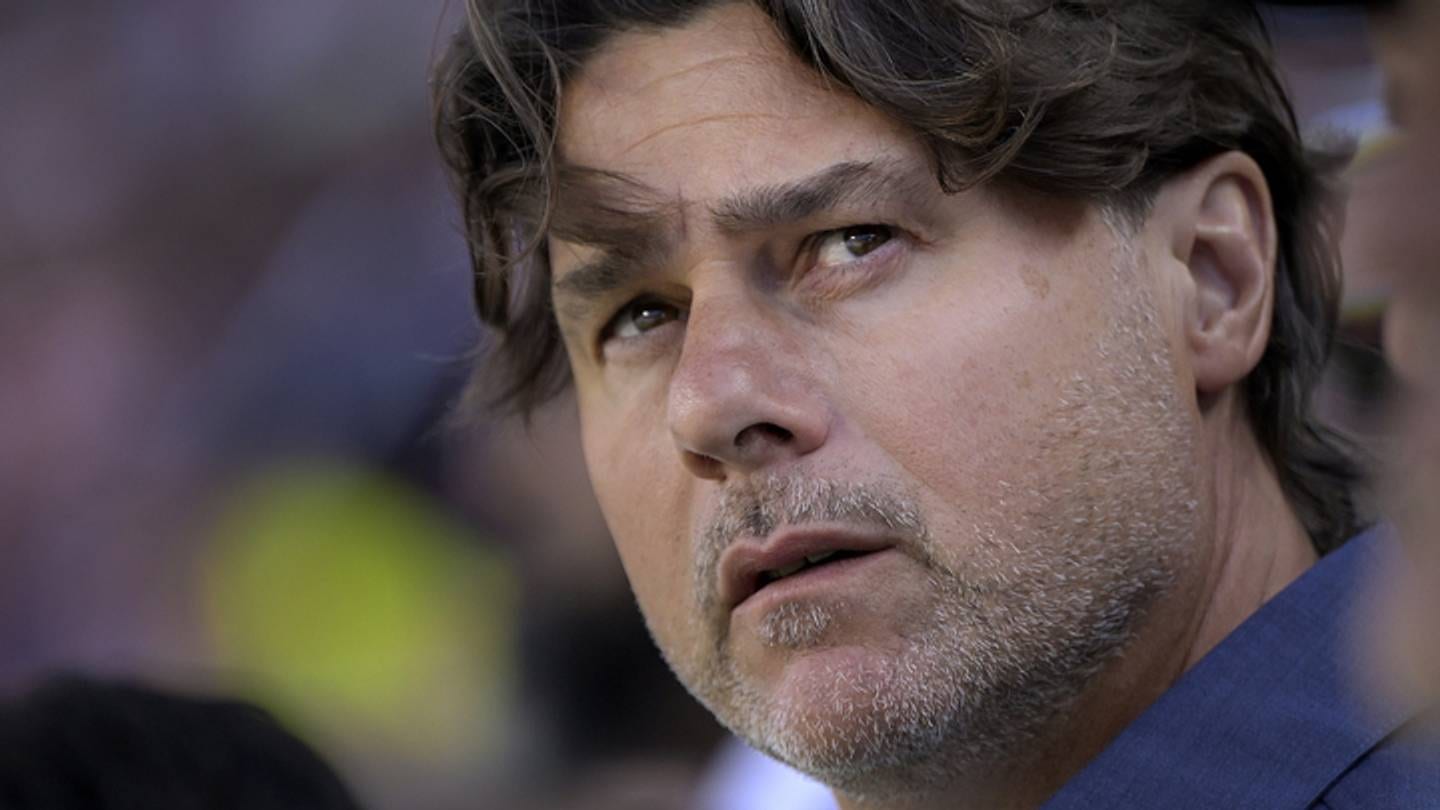
Sports Illustrated reported on July 10 that the U.S. men’s national team’s humiliating World Cup exit should not be pinned on manager Mauricio Pochettino, despite the scale of the disappointment. The outlet’s analysis puts the spotlight instead on wider failures around the team, and it lands at the key question hanging over U.S. Soccer: should Pochettino stay in charge.
With emotions still raw after the early elimination, that framing matters right now for federation leaders, players and supporters who expected a deeper run. Blame is being assigned in every direction, but the latest reporting suggests the head coach is not the primary problem, and that a rush to fire him could distract from bigger structural issues that helped produce the collapse.
Key facts
- Source
- Sports Illustrated
- Reported
- July 10, 2026
- Desk
- sports
- Follow the story
- Spinn Radio Sports
Why Pochettino is being shielded from blame for the USMNT exit
The central claim from Sports Illustrated is stark: you can “point many fingers, but none should be at U.S. men’s national team manager Mauricio Pochettino.” That line reflects a judgment that the World Cup disaster was driven more by circumstances around the squad than the man on the touchline. It frames Pochettino as a coach working inside a flawed setup, rather than the architect of the failure itself.
Although the specifics remain under wraps, that distinction is crucial. It implies that tactical and selection decisions, the usual pressure points after a World Cup elimination, are not seen as the decisive factor by at least one influential voice in the American soccer conversation. Instead, attention turns to roster construction, development pathways and the broader project that placed this group and this coach in this position at this tournament.
For fans trying to make sense of what happened, the key takeaway is that an immediate sacking would not automatically fix the problems that led to the “humiliating” exit. The reporting suggests any serious postmortem has to look beyond Pochettino and into how the team was built and prepared for the World Cup.
“The loudest postmortem question is not who to fire, but what really failed around Pochettino in this World Cup cycle.”
What keeping Pochettino would mean for the next USMNT cycle
If Pochettino survives this tournament, U.S. Soccer would effectively be backing continuity over a reset. Sports Illustrated’s stance that he “deserves to stay” indicates that at least some analysts believe his long‑term value outweighs the shock of a single campaign gone wrong. In practical terms, that would give him another cycle to work with a similar core, refine a playing identity and chase the results that eluded the side at this World Cup.
Sticking with the coach also shapes how accountability is framed. Rather than using a managerial change as the headline gesture, the federation would have to demonstrate it is addressing deeper issues. That could mean revisiting how the team is supported between tournaments, how opponents are scheduled, or how the staff around Pochettino is structured. None of that is spelled out yet, but the implication is that the spotlight should widen, not narrow, when heads roll are discussed.
For supporters, the immediate takeaway is simple: if Pochettino stays, the next competitive window becomes a referendum on this choice. Every lineup and result will be read against the backdrop of a World Cup flop that the coach is now trusted to help redeem rather than merely survive.
“If Pochettino stays, the next cycle is not a clean slate. It is a test of whether continuity can repair a World Cup-sized scar.”
Spinn Radio
Follow live sports on Spinn Radio
Why firing Pochettino now could miss the real USMNT problems
The urge to fire the coach after a World Cup exit is familiar in international football, but Sports Illustrated’s reporting warns against a reflex decision. By stressing that the humiliation was “not Pochettino’s fault, ” it suggests that a dismissal might be more symbolic than substantive. It would satisfy demands for change without necessarily touching the factors that dragged the team out of the tournament so early.
This matters for strategy. If leadership focuses on the touchline instead of the system, the same issues could resurface with the next manager, leading to another disappointing cycle. The analysis coming out this week encourages a slower, more forensic approach: identify which decisions around preparation, player roles or broader program planning actually contributed to the crash, and hold those levers to account.
The concrete takeaway here is that fans should watch less for quick headlines about a coaching search and more for signs that U.S. Soccer is willing to examine its own choices. Personnel changes will always command attention, but the reporting hints that the more meaningful story might be how the federation reacts behind the scenes to a failure on this scale.
“A new coach might change the mood, but not the machinery that produced a humiliating World Cup exit in the first place.”
How fans and federation might respond after the World Cup collapse
The Sports Illustrated piece lands at a volatile moment for the relationship between the team, its leadership and its supporters. A humiliating World Cup exit typically fractures trust. Some fans will demand a fresh face on the touchline, regardless of who is truly at fault. Others will argue that tearing up the project now would waste whatever foundation Pochettino has laid with the squad.
Inside the federation, decision‑makers now face a binary choice that is harder than it first appears. Backing Pochettino after such a visible failure exposes them to criticism if the next set of results does not immediately improve. Cutting ties, on the other hand, risks conceding that the coach was the problem, contradicting the assessment highlighted by Sports Illustrated that his position is not the root cause.
For those following along in real time, the next steps are clear to watch: official statements from U.S. Soccer, any hints about internal reviews, and the coach’s status in the coming international windows. Fans can track developments and broader context across Follow live sports coverage on Spinn Radio, where reaction to the World Cup fallout and the future of the USMNT will continue to unfold.
“Trust between fans, federation and coach is now the real battleground, and every decision from here will either repair it or deepen the rift.”
Good to know
Frequently asked questions
Was Mauricio Pochettino blamed for the USMNT’s World Cup failure?
Sports Illustrated reported that Mauricio Pochettino should not be blamed for the USMNT’s humiliating World Cup exit. The outlet argued that other factors around the team were more responsible than the manager.
Why do some analysts think the USMNT coach should stay?
Some analysts, including those cited by Sports Illustrated, believe the coach deserves to stay because the World Cup failure stemmed from issues beyond his control. They see more value in continuity than in a quick reactionary firing.
What is at stake for U.S. Soccer after the World Cup exit?
U.S. Soccer now faces a high‑stakes decision on whether to retain or replace its men’s national team coach after a humiliating World Cup exit. The choice will signal whether the federation believes deeper structural problems or managerial decisions are to blame.
What should fans watch next after the USMNT’s early exit?
Fans should watch for U.S. Soccer’s decision on the coach’s future and any sign of a broader internal review. Those moves will reveal whether leaders see the World Cup collapse as a coaching problem or a wider program issue.
Explore more on Spinn Radio: Follow live sports coverage on Spinn Radio
Sources