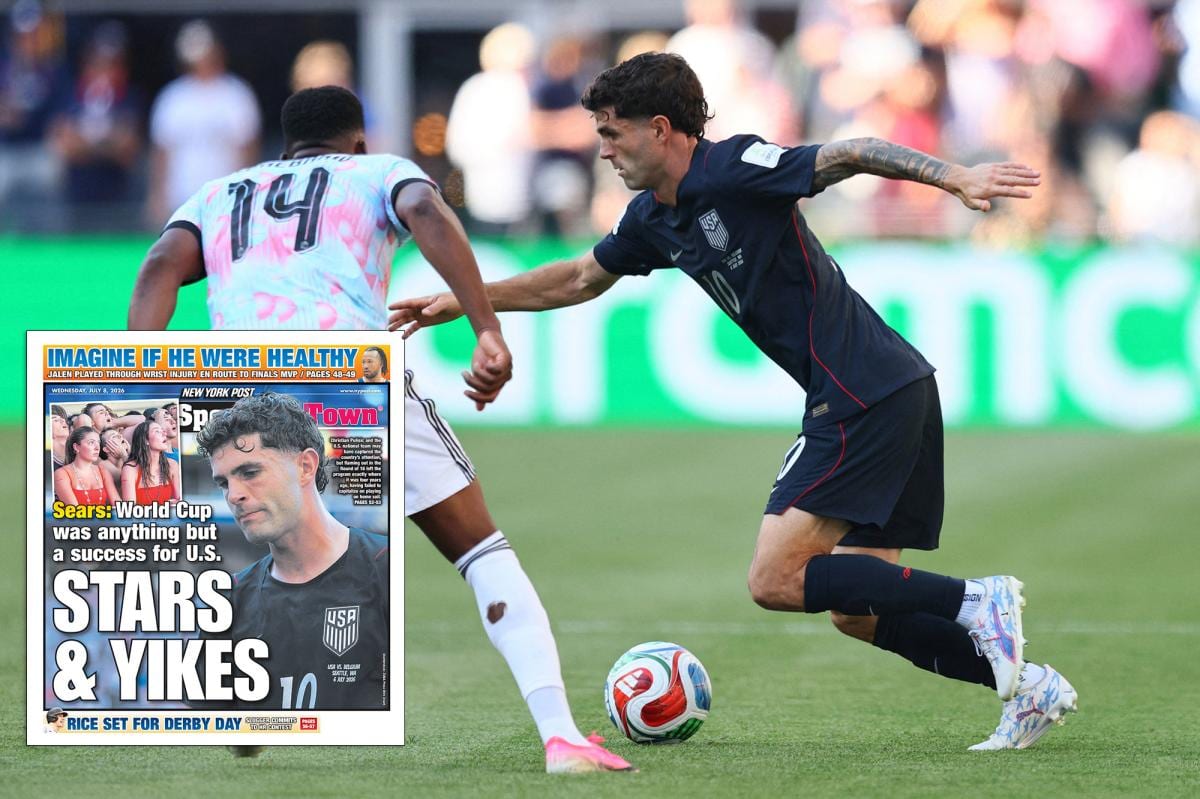
The New York Times has overhauled its top 50 players at the 2026 World Cup after the last‑16 round, signaling a clear shift in who is truly driving this tournament as it moves into the quarter‑finals. With new names breaking in and familiar faces climbing back, the updated list underlines how quickly knockout football can rewrite reputations.
Published on July 9, 2026, the ranking captures the World Cup at a pivot point, when a single performance can elevate a player into the elite conversation or push them out of it entirely. For fans tracking form, future stars and potential match‑winners, this is a snapshot of who matters most right now.
Key facts
- Source
- The New York Times
- Reported
- July 9, 2026
- Desk
- general
- Follow the story
- Spinn Radio Sports
Why the New York Times World Cup top 50 matters this week
The New York Times ranking arrives at a critical juncture: the last‑16 matches are done, the quarter‑final bracket is set, and every remaining game will tilt the balance of who is considered among the tournament’s best. With the list explicitly refreshed after the round of 16, it is not a legacy honor roll. It is a live assessment of who has actually delivered so far in 2026.
The key detail in the Times’ summary is the surge of "new names and re‑entries" into the top 50. That signals two things for readers and scouts alike. First, previously unheralded players have played their way into the conversation off the back of strong group‑stage and last‑16 performances. Second, players who had slipped out of form or favor earlier in the tournament have done enough in the knockout stage to reclaim a spot.
For anyone following the World Cup as more than just a string of scores, rankings like this help frame the story beneath the results: which players are trending upward into quarter‑final hero roles, and which big reputations no longer match their impact on the pitch.
“This is not a legacy honor roll; it is a live snapshot of who has actually delivered in 2026.”
Winners from the last 16: new names and big returns
The clearest headline from the New York Times piece is the influx of "new names" into the top 50. That indicates that the last‑16 ties were not dominated only by pre‑tournament stars. Instead, players who may have arrived without global billing have forced their way into the elite tier with standout performances when it mattered most.
The reference to "re‑entries" is just as telling. Some players clearly fell out of the Times’ earlier iterations of the list, then used the last‑16 stage to reset the narrative. A decisive goal, a commanding defensive display, or a game‑tilting cameo would all be the kind of performance that typically nudges a player back into a ranking like this, even if the article does not specify individual names.
For supporters, the takeaway is simple: the last 16 did not just confirm what everyone already thought about this World Cup. It changed the pecking order. If you are watching the quarter‑finals, the Times list is effectively a form guide to who has momentum heading into the most pressurized matches.
“The last 16 did not just confirm expectations; it changed the pecking order of this World Cup.”
Spinn Radio
Follow live sports on Spinn Radio
Who slipped: how knockout pressure exposes World Cup reputations
If there are new entries and re‑entries to the top 50, there have to be players moving the other way. By definition, rankings are a zero‑sum exercise. The Times framing of "winners and losers" from the last 16 points to established names who did not meet the moment when the tournament shifted to win‑or‑go‑home stakes.
Even without individual examples spelled out, the dynamics are familiar to any World Cup follower. Players carrying heavy expectations into the knockouts can see their stock fall quickly with an early exit or a subdued performance in a tight game. Others may be squeezed out of the list because teammates or emerging rivals in similar positions have simply outperformed them since the group stage.
The broader context is that a World Cup often resets conversations around who the genuine top‑tier players are. The Times ranking after the last 16 captures that adjustment in real time, highlighting that a big reputation at club level or in qualifying is no guarantee of top‑50 status once the knockout rounds start.
“In a live ranking like this, a big reputation is no shield against a flat knockout performance.”
How this top 50 shapes expectations for the quarter‑finals
With the tournament now in the quarter‑final phase, the New York Times list doubles as a preview of who might decide the next round. Players who surged into the top 50 off their last‑16 performances are now the ones opponents will game‑plan around, and the ones neutrals will tune in to watch.
Because the list is framed around the World Cup as it is unfolding, not as a historical ranking, it gives fans a practical way to focus their attention. If a team has multiple players in the top 50, it is likely dictating games through individual quality as well as structure. If an underdog has a newly arrived star in that group, that player becomes the obvious threat to watch for another upset.
For those following across different sports, this kind of live, form‑based ranking fits into a broader habit of tracking performance, storylines and momentum rather than simply counting trophies. You can keep that perspective as the World Cup continues by checking in with Follow live sports coverage on Spinn Radio, where World Cup reaction sits alongside coverage of leagues, tournaments and athletes year round.
What to watch next as World Cup 2026 enters its decisive phase
The timing of the Times report on July 9, 2026, is significant because it lands in the narrow window between the last 16 and the quarter‑finals. That is when coaching staffs digest what went wrong or right, and when players in form either consolidate their status or regress under mounting pressure.
From here, the rankings are likely to keep shifting. Some of the "new names" could confirm their rise with another standout showing, locking themselves into the tournament’s end‑of‑event all‑star debates. Others might be one‑match spikes who fade as defenses adjust. Similarly, a few of the players who dropped out after the last 16 could yet change the conversation if their teams survive and they respond with a late surge in the quarters or beyond.
For readers using this as a guide to where to focus their viewing, the key is to treat the top 50 as a moving story rather than a final verdict. As long as the World Cup continues, performances will keep rewriting the order of who belongs on that list.
“Treat the top 50 as a moving story, not a final verdict on this World Cup.”
Good to know
Frequently asked questions
What did the New York Times change in its World Cup top 50 list?
The New York Times updated its World Cup top 50 to reflect new names and re‑entries after the last‑16 round. The list now highlights players who have surged in form heading into the quarter‑finals.
Why are there new names in the 2026 World Cup top 50 rankings?
There are new names in the top 50 because several players impressed in the group stage and last 16, forcing their way into the ranking. The update rewards current tournament performances rather than pre‑event reputations.
Who are considered losers from the last 16 in the player rankings?
Losers from the last 16 are the players who dropped or fell out of the New York Times top 50 after the update. They lost ground because others outperformed them once the World Cup reached the knockout stage.
How should fans use the updated World Cup player rankings?
Fans can use the updated rankings as a guide to which players are shaping the World Cup right now. It acts as a form chart for the quarter‑finals and beyond, pointing to possible match‑winners to watch.
Explore more on Spinn Radio: Follow live sports coverage on Spinn Radio
Sources