The Supreme Court; Colorado primaries; World Cup heat: NPR is tying together three fast-moving stories this week: a major constitutional ruling on citizenship, a political upset in Denver, and growing concern about extreme temperatures at global football’s biggest tournament.
Reporting from NPR on July 1, 2026, sketches a picture of a summer where legal precedent, primary voters, and sports organizers are all dealing with high stakes at once.
Key facts
- Source
- NPR
- Reported
- July 1, 2026
- Desk
- general
- Follow the story
- Spinn Radio Sports
What the Supreme Court’s birthright citizenship ruling does right now
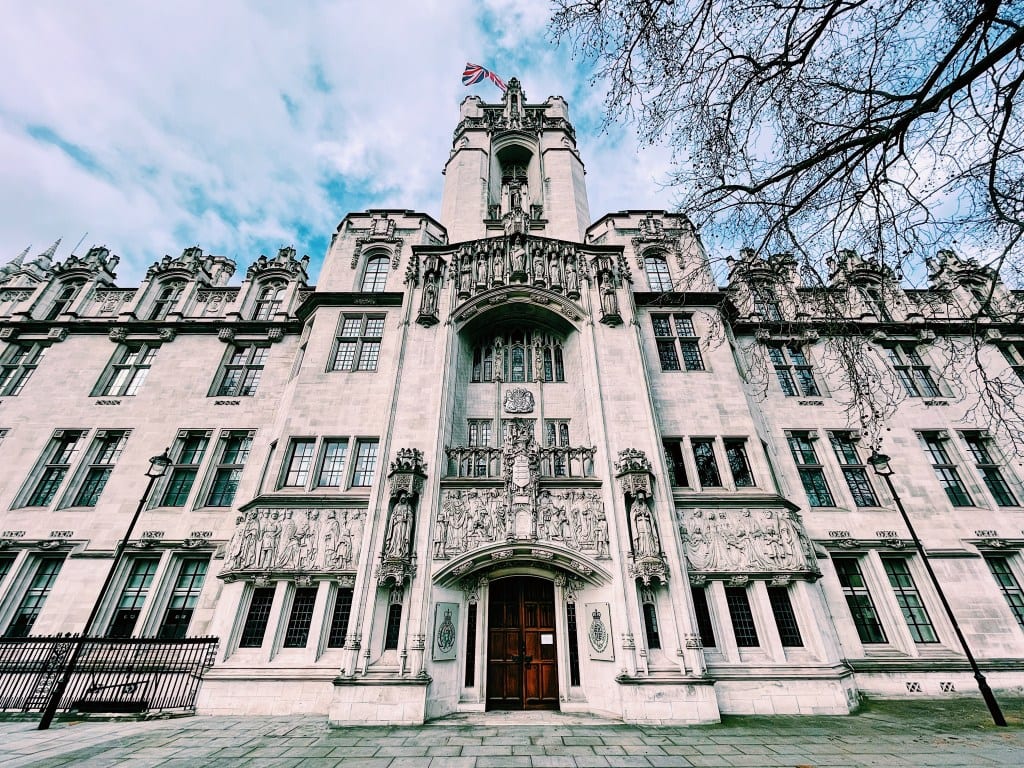
NPR reports that the Supreme Court has upheld birthright citizenship on constitutional grounds on the final day of its term. That means the court confirmed that people born in the United States remain citizens under the Constitution, a direct affirmation of the long-standing principle that has defined who is American from birth.
Because the ruling came on the last day of the term, it lands as a capstone to months of legal argument and political speculation about whether the justices might narrow or reinterpret that guarantee. Instead, the court kept the constitutional protection in place, immediately affecting families with children born in the U.S. and the legal status of millions who rely on that clear rule.
For listeners and readers, the takeaway is simple but big: the court did not retreat from birthright citizenship. Any attempt to change that would now have to move through other political channels, rather than through this term’s Supreme Court decisions.
“The court left birthright citizenship intact, so the basic rule about who is a citizen at birth does not change today.”
Why a Denver democratic socialist winning the primary matters
Alongside the Supreme Court news, NPR reports that a democratic socialist has won the Democratic primary for a U.S. House seat in Denver. Primaries are where parties decide who will carry their banner in November, so this result signals that primary voters in a solidly blue urban district were open to a more left-leaning candidate.
The label "democratic socialist" marks a clear ideological choice inside the Democratic Party. It suggests that, at least in this Denver race, voters favored a candidate who identifies with that wing of the party instead of a more traditional or centrist alternative. If the district leans strongly Democratic, the primary winner becomes a likely future member of Congress, which could add another left-identified voice to debates over spending, social programs, and economic policy.
The practical takeaway: this is not just a local upset. It is an example of how intra-party battles in safe seats can shape the next Congress long before the general election ballots are cast.
“In Denver, the real contest happened in June, not November, and it pushed the party’s representation to the left.”
Spinn Radio
Follow live sports on Spinn Radio
How the Supreme Court ruling and Colorado primary intersect in national politics
Taken together, the Supreme Court’s decision and the Denver primary result sketch the political terrain heading into the next campaign season. On one side, the court has settled, at least for now, a constitutional fight over who is a citizen. On the other, primary voters in Colorado have elevated a candidate who is likely to push hard on immigration, economic inequality, and social welfare from a democratic socialist perspective.
That combination matters because it shapes both law and legislation. The court’s role is to interpret the Constitution, including the clauses that secure birthright citizenship. Members of Congress, including any new representative from Denver, will respond to those interpretations with bills, oversight hearings, and messaging that either accepts the status quo or seeks to challenge it indirectly.
For anyone tracking U.S. politics, the key detail is that the legal foundation for birthright citizenship is now reinforced by the Supreme Court, while the political conversation about how that citizenship interacts with policy choices will be influenced by a changing congressional lineup emerging from primaries like Colorado’s.
Why World Cup heat is a concern for sports fans and organizers
NPR’s headline also flags mounting concern about World Cup heat. Even without specifics, that phrasing signals that temperatures around current or upcoming World Cup matches have become a story in their own right, not just background weather. When global tournaments bump up against extreme heat, questions quickly arise about player safety, fan health, match scheduling, and stadium infrastructure.
Tournament organizers must weigh whether traditional kickoff times, training schedules, and hydration protocols are enough when games take place in hotter conditions than in past editions. For players, the risk is not only performance drop-off but also heat-related illness in matches that already demand maximum intensity over 90 minutes or more.
For sports fans following along on Spinn Radio, the memorable point is that climate and weather are now central to how big competitions are staged. Heat is no longer just a talking point for commentators, it is becoming a competitive and logistical factor that governing bodies are forced to address.
“At this World Cup, the temperature is as much a character in the story as any star forward or goalkeeper.”
What to watch next and where to follow it on Spinn Radio
With the Supreme Court term closed, attention now shifts to how political campaigns and advocacy groups respond to the reaffirmed birthright citizenship standard. The ruling sets the legal baseline, but the real-time reaction will play out in speeches, policy proposals, and future court challenges that try to work around, or build upon, the decision.
In Colorado, the democratic socialist primary win raises the question of how party leaders and national committees will treat that race going into the general election. Will they embrace the nominee’s message as part of a broader strategy, or treat it as a one-district phenomenon that does not redefine the party’s national brand? Primary results like this often become reference points in debates about where a party’s energy really lies.
On the sports side, any new guidance from tournament organizers, medical officials, or team managers about World Cup heat will matter to how schedules, training, and even broadcast plans are set. For ongoing updates on how climate is affecting play and how athletes are adapting, you can Follow live sports coverage on Spinn Radio. That feed will track how heat, travel, and competitive pressure collide as the matches continue.
Good to know
Frequently asked questions
What did the Supreme Court decide about birthright citizenship?
The Supreme Court upheld birthright citizenship on constitutional grounds. NPR reports that this ruling came on the last day of the court’s term.
Who won the key Democratic primary in Denver?
A democratic socialist won the Democratic primary for a U.S. House seat in Denver. That result suggests primary voters there favored a more left-leaning option.
Why is the Denver primary result important nationally?
The Denver primary matters because it could send a democratic socialist to Congress from a safe Democratic seat. That would add another left-identified voice to national debates.
Why are people worried about World Cup heat?
World Cup heat is a concern because high temperatures raise risks for players and fans. Organizers must decide if match times and safety protocols are still adequate.
Explore more on Spinn Radio: Follow live sports coverage on Spinn Radio
Sources