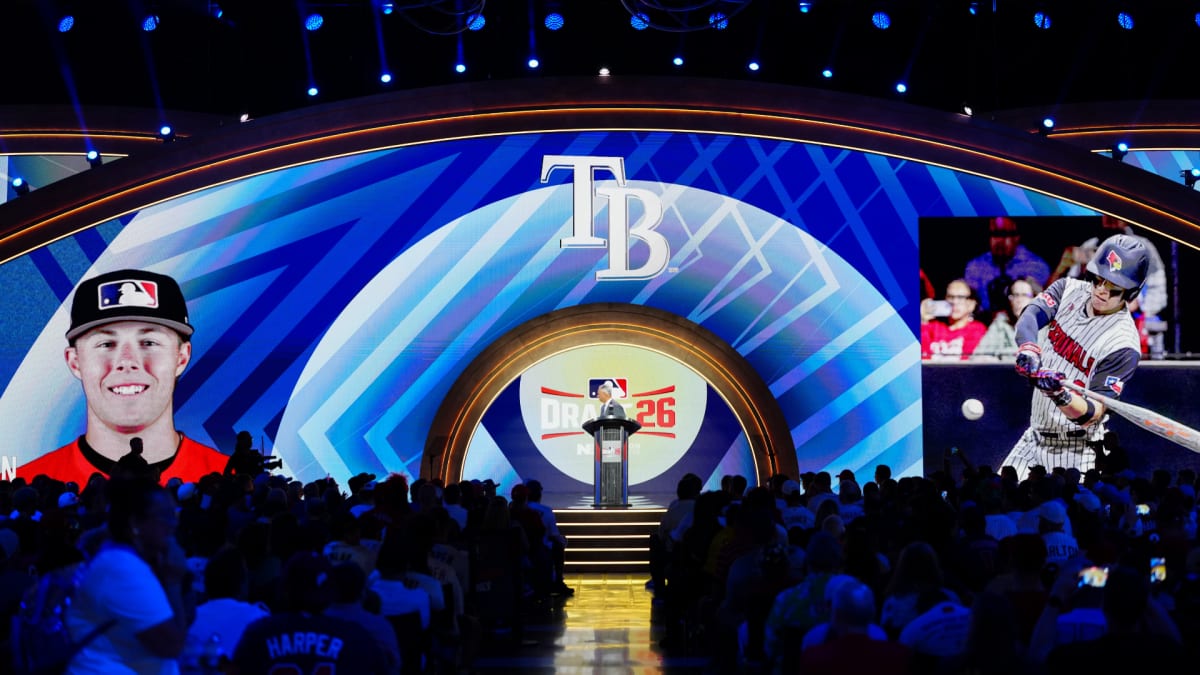
College Baseball Winners & Losers From The 2026 MLB Draft is already rattling around coaching offices after Baseball America published Jacob Rudner’s assessment on July 13. With the signing period unfolding and rosters in flux, his college-focused read on the 2026 MLB draft is a first snapshot of which programs absorbed the heaviest hits and which quietly came out ahead.
The piece, reported by Baseball America, zeroes in on how selections at the top and in the middle rounds could rewire competitive balance in the college game. For administrators, scouts and fans tracking who will actually be on the field next spring, this early winners-and-losers ledger is the clearest guide so far to how the draft has redrawn the map.
Key facts
- Source
- Baseball America
- Reported
- July 13, 2026
- Desk
- general
- Follow the story
- Spinn Radio Baseball
Why a college view of the 2026 MLB Draft matters
Jacob Rudner’s review for Baseball America looks at the 2026 MLB draft from the dugout up, not just from a big league front office angle. Instead of grading how pro clubs used their picks, he evaluates the fallout for college programs that either lost star-level talent or dodged potential departures when players slipped or went undrafted.
That shift in perspective matters because the same draft that excites MLB fanbases can hollow out a college lineup or unexpectedly preserve a weekend rotation. A program that sends several players into pro ball in one night can be celebrated as a developmental powerhouse, yet still find itself scrambling to replace production on Friday and Saturday nights. Rudner’s winners-and-losers framing puts those conflicting realities into sharper relief.
For fans and recruits trying to understand who is positioned to contend and who may be starting a reset, this type of college-centric evaluation is one of the first public clues. It links the draft board that just flashed on television to the depth charts that will shape next spring’s standings.
“The same draft that thrills MLB fanbases can leave a college coach rewriting his lineup card by morning.”
How Baseball America’s analysis sorts winners and losers
Baseball America’s piece, reported on July 13, groups programs by how the 2026 MLB draft intersected with their immediate needs and expectations. A team that saw several juniors sign after being selected might be tagged a “loser” in the short term, even if those departures double as a recruiting pitch for future classes. On the other side, a school that anticipated heavy attrition but watched key players fall to later rounds or stay on campus could surface in the winners column.
Rudner’s review reflects the reality that context is everything. Losing a veteran catcher or an ace-level arm has a different impact than seeing a depth reliever turn pro. Likewise, the timing within the competitive cycle matters: a program on the brink of a deep postseason run feels a draft loss differently than one at the start of a rebuild.
The takeaway for college fans is simple. The 2026 MLB draft did not affect every roster equally. Some teams were effectively forced into a quick retool, while others quietly had a pathway cleared for a more experienced, more stable lineup when the season starts.
“In Baseball America’s ledger, the same pick can be a franchise milestone for a big league club and a body blow for a college contender.”
Spinn Radio
Follow Baseball on Spinn Radio
What the 2026 MLB Draft fallout means for next season
Rudner’s college-focused breakdown is already feeding the way early projections will be built for next season. Analysts and fans weighing preseason rankings will look back to this winners-and-losers list as a baseline for which lineups might lose the most punch and which pitching staffs could stay intact longer than expected.
Programs that appear on the “winners” side of the draft may not have grabbed national headlines on draft night, but they could emerge with veteran cores that know the college game. That stability often shows up in conference play, when experience and depth can matter more than raw pro potential. Conversely, those that landed in the “losers” bucket will be counting on incoming recruiting classes and internal development to patch holes created in one draft weekend.
For supporters tracking their own team’s trajectory, the practical lesson is to connect draft outcomes directly to roster reality. A draft that seems quiet at the professional level might signal that a college power is about to bring back more talent than expected, which can tilt conference races before a single pitch is thrown.
“A quiet draft night for one program can be the loudest warning sign for its rivals once conference play begins.”
Why coaches, scouts and fans are studying this list now
The timing of Baseball America’s report gives it outsized influence on decisions unfolding this month. Coaches are weighing scholarship allocations, transfer targets and fall ball roles, all while monitoring which drafted players will actually sign. A clear early snapshot of winners and losers crystallizes which roster spots might be most vulnerable if a late signing decision flips a presumed returner into a pro.
Scouts on both the college and professional side also have reason to lean on this type of analysis. College evaluators get an early sense of which teams may be particularly loaded for the next cycle of draft-eligible talent, while MLB scouts can track whether a player’s choice to return to school will shift where they appear on future boards. Fans simply get a more honest picture of how the 2026 MLB draft ripples through the college game long after the final pick.
For ongoing context, it is worth pairing this kind of draft fallout coverage with broader season-long reporting. Spinn Radio’s own hub for the sport, Follow Baseball coverage on Spinn Radio, will track how these projected winners and losers actually perform once the games return.
What to watch next after the 2026 MLB Draft shakeup
The story Baseball America started on July 13 is still developing. Signing decisions will determine which drafted players actually leave campus and which unexpectedly return, and that can flip a program from the losers list to the winners column in a matter of days. The real verdict on this draft’s impact will not arrive until rosters are finalized and fall practice begins.
Fans should watch for how often early narratives match reality. A team flagged as a draft “loser” might see freshmen and transfers emerge quickly, while a supposed “winner” could struggle if returning stars do not progress as expected. The first month of next season will be the truest test of how accurately this early read captured the draft’s fallout.
Spinn Radio will keep following how the 2026 MLB draft reshapes college baseball, from off‑season roster moves to opening weekend lineups. For continuing coverage and context, keep checking our dedicated baseball page through Follow Baseball coverage on Spinn Radio.
“The real verdict on the 2026 draft will come when early labels meet live at‑bats and Friday night fastballs.”
Good to know
Frequently asked questions
What did Baseball America analyze in its 2026 MLB Draft story?
Baseball America analyzed how the 2026 MLB draft affected college baseball programs, highlighting which schools emerged as short-term winners or losers. The focus is on roster impact rather than grading MLB front offices.
Who is Jacob Rudner in this draft coverage?
Jacob Rudner is the Baseball America reporter who reviewed the 2026 MLB draft from a college baseball perspective. His analysis maps out which programs were helped or hurt most by draft departures.
Why does the 2026 MLB Draft matter so much for college teams?
The 2026 MLB draft matters for college teams because it can strip away key contributors or unexpectedly preserve veterans, reshaping depth charts overnight. Those shifts influence preseason rankings, conference races and how coaches build rosters for the next year.
Where can I follow more updates on the draft’s college impact?
You can follow more updates on the draft’s college impact through Spinn Radio’s baseball hub. The platform tracks how these early winners and losers perform once the new season starts.
Explore more on Spinn Radio: Follow Baseball coverage on Spinn Radio
Sources