Wildfires in eastern Washington have forced around 60,000 people to leave their homes, according to BBC reporting, with new video from Spokane showing huge smoke plumes towering over neighborhoods as flames burn close to houses.
The evacuations, reported Monday by the BBC, mark one of the most disruptive wildfire emergencies in Washington this year, and authorities are bracing for conditions around Spokane, the state’s second most populous city, to remain volatile.
Key facts
- Source
- BBC
- Reported
- August 3, 2026
- Desk
- general
- Follow the story
- Spinn Radio Talk
What BBC reports show from Spokane right now
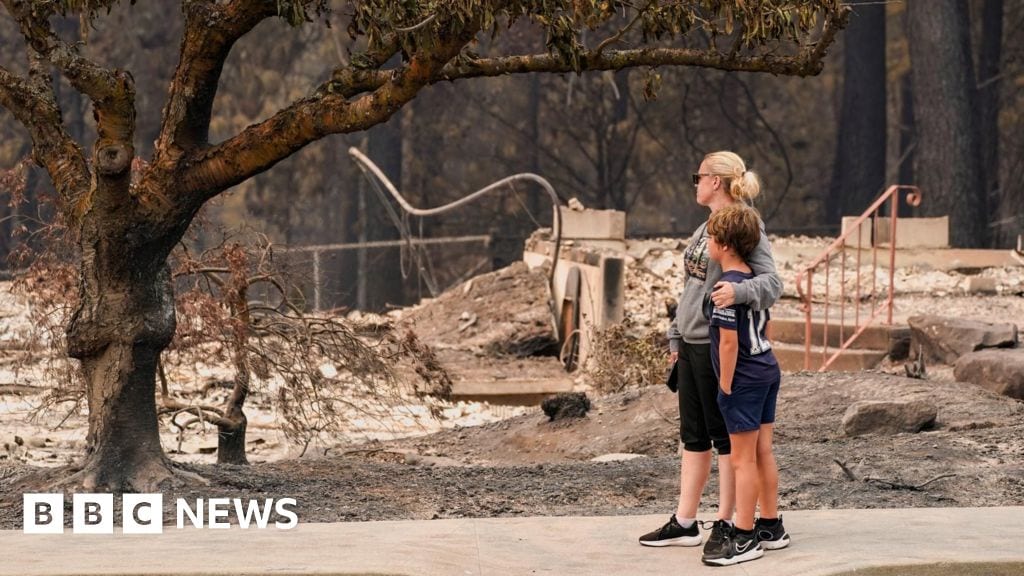
The BBC describes dramatic scenes from Spokane, where video captures vast plumes of smoke rising over residential areas and roaring fires burning close to nearby houses. That visual detail underlines how close the current blazes are tracking to where people live, rather than staying confined to remote forest land.
Spokane is Washington’s second most populous city, so wildfires in its orbit are not a distant rural problem. They threaten suburbs, infrastructure and major transport routes that link the city to the rest of the state. When tens of thousands are told to leave, it is because fire, smoke and embers are approaching streets and homes that, under normal conditions, would feel far removed from a wildfire front.
For anyone trying to keep pace with a fast‑moving situation like this, staying tuned to reliable, up‑to‑the‑minute coverage is essential. You can follow live news and talk on Spinn Radio as officials update evacuation orders, road closures and fire conditions around Spokane and beyond.
“These fires are not in the distance; BBC footage shows smoke and flames right up against Spokane’s neighborhoods.”
Where the 60,000 Washington evacuations are hitting hardest
The BBC headline figure of about 60,000 people ordered to evacuate gives a sense of the scale, but what matters on the ground is where those orders land. With fires near Spokane, that likely includes a mix of suburban communities, smaller towns that ring the city, and rural properties that sit in the path of fast‑moving flames and heavy smoke.
Evacuations at this level usually involve multiple jurisdictions: city authorities, county emergency managers and state officials working in parallel to move people out of harm’s way. For residents, that means traffic jams on arterial roads, temporary shelters opening on short notice and a rush to secure pets, medications and key documents before leaving.
The most important practical takeaway is simple: if you are in an affected area and an evacuation order is issued, treat it as urgent. The BBC’s account of roaring fires near houses makes clear that conditions can change faster than many people expect once thick smoke and embers reach a neighborhood.
“When 60,000 people are told to go, it is because fire and smoke are already pushing into everyday streets, not staying out in the hills.”
Spinn Radio
Follow live news on Spinn Radio
Why Spokane’s size makes this wildfire emergency different
Wildfires in sparsely populated terrain can burn huge areas without triggering the kind of mass displacement now reported around Spokane. The BBC’s note that Spokane is the second most populous city in Washington explains why these particular fires matter so much: they intersect with a major urban center, not just forest and brushland.
With more people, there is more at stake. Power lines, hospitals, warehouses, schools and major roads all sit within reach of wind‑driven flames and thick smoke. The video showing plumes towering over the city highlights the stress placed on urban services, from fire crews and paramedics to traffic control and public communications teams.
For listeners and readers following this from elsewhere, the key point is that this is not simply a remote wildfire season story. It is a test of how a major Washington city and its surrounding communities handle a sudden, large‑scale evacuation under intense conditions.
“This is a wildfire story colliding with a major city, not a distant blaze in an empty landscape.”
What is at stake as Washington wildfires keep burning
At this stage of the emergency, the stakes are clear but the outcomes are not. Homes sit in the potential path of fire, and video already shows flames burning close to properties near Spokane. Even where houses escape the flames, heavy smoke can affect health, especially for children, older residents and anyone with breathing problems.
Beyond individual properties, there is a broader question of how long communities may be displaced. An evacuation affecting 60,000 people can disrupt jobs, schooling and care arrangements, even if buildings ultimately remain standing. Residents may be scattered across temporary shelters, hotels or friends’ homes while authorities wait for conditions to stabilize.
The current fires also feed into a longer national conversation about how prepared urban areas in the U.S. Pacific Northwest are for smoke and flames reaching their edges. Scenes from Spokane will likely shape future debates about land management, building in fire‑prone zones and how quickly evacuation orders should be issued when plumes of smoke first appear on the horizon.
“For tens of thousands of people, the question is not just whether their homes burn, but how long their lives stay upended by these fires.”
What to watch next as the Spokane wildfire story develops
With the BBC report landing on August 3, 2026, this is a developing story rather than a contained event. Key angles to watch include whether evacuation numbers rise or fall, how closely flames track into built‑up parts of Spokane and when officials feel confident enough to let residents return home.
Conditions can shift quickly, especially if winds pick up or firefighting crews gain the upper hand around priority neighborhoods. Future updates are likely to focus on any confirmed damage to homes and infrastructure, changes in air quality over Spokane and whether additional Washington communities face new evacuation orders.
For ongoing coverage, interviews and context on how residents are coping, keep listening to Follow live news and talk on Spinn Radio. As authorities in Washington release new information, Spinn’s news and talk streams will track how one of the state’s biggest cities navigates this wildfire crisis.
“The numbers and fire lines will change, but Spokane’s residents are already living through one of Washington’s most disruptive wildfire emergencies this year.”
Good to know
Frequently asked questions
What is happening with the wildfires in Washington state?
Wildfires in Washington state have forced about 60,000 people to evacuate, with BBC footage showing huge smoke plumes and flames near homes around Spokane.
Where are the Washington evacuations taking place?
The major evacuations are around Spokane, which the BBC notes is Washington’s second most populous city, putting large neighborhoods and suburbs on alert.
Why are so many people being told to leave their homes?
So many residents are evacuating because fires are burning close to houses, and heavy smoke is spreading around Spokane, creating dangerous conditions.
How can I follow updates on the Spokane wildfires?
You can follow updates on the Spokane wildfires by listening to live coverage and analysis on Spinn Radio’s news and talk streams on Spinn Radio Talk.
Explore more on Spinn Radio: Follow live news and talk on Spinn Radio
Sources