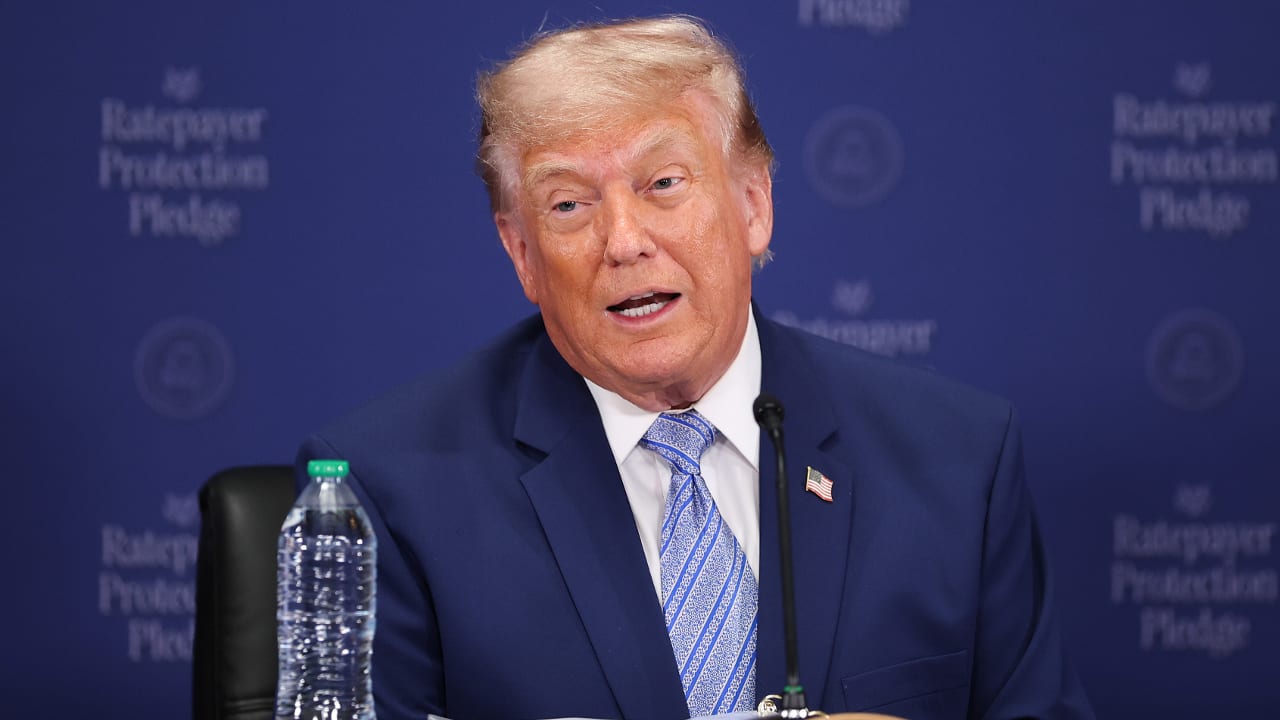
Trump and Iran are offering sharply different stories about possible talks on reopening the Strait of Hormuz, NBC News reported, just as a cargo ship in the area was attacked. President Donald Trump insisted negotiations were underway and could yield movement as early as Tuesday, while Tehran publicly denied that any such talks were taking place.
The clash over basic facts, combined with fresh violence in one of the world’s most important shipping lanes, has injected new urgency and confusion into already tense U.S., Iran relations and the security of global trade.
Key facts
- Source
- NBC News
- Reported
- August 4, 2026
- Desk
- general
- Follow the story
- Spinn Radio Talk
What NBC News says happened in the Strait of Hormuz
NBC News reported on August 4, 2026, that President Donald Trump accused Iran of duplicity while claiming the two sides were discussing how to reopen the Strait of Hormuz. According to that reporting, Trump suggested those talks could lead to movement as soon as Tuesday, even as a cargo ship in the region was under attack.
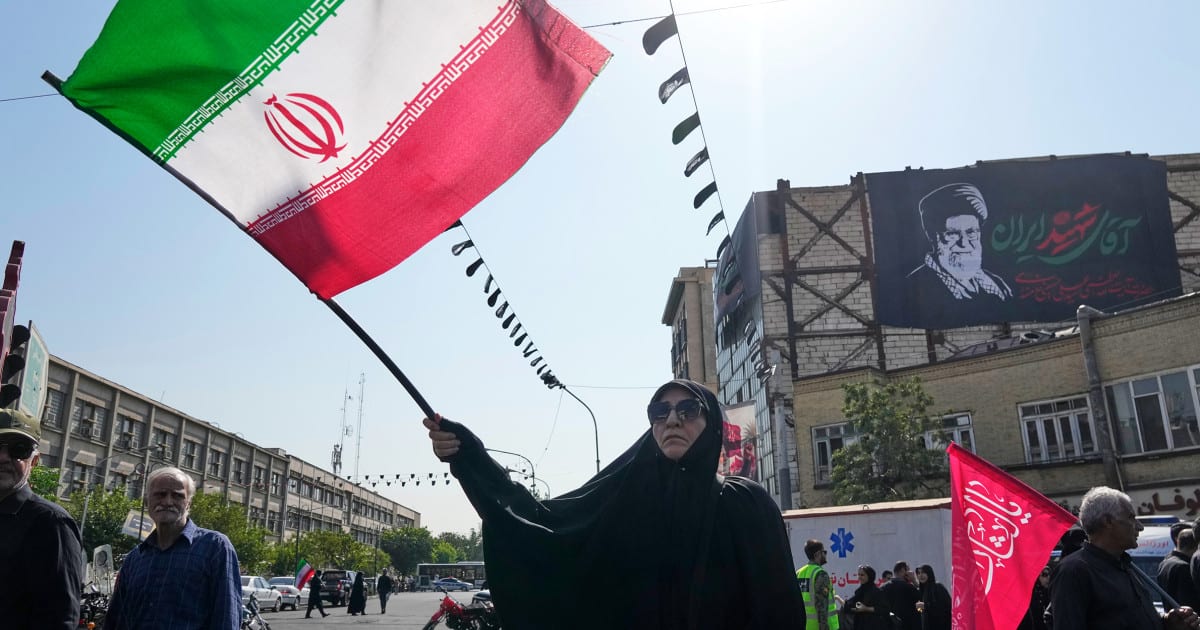
Tehran, by contrast, publicly denied that any talks were taking place at all. The gulf between Washington’s and Iran’s descriptions of events leaves governments, shipping companies and markets trying to work out whether quiet diplomacy is underway or whether the situation is edging toward a more dangerous confrontation.
“The fight is now about more than ships and oil; it is about whose version of reality the world believes.”
Why Trump and Iran are clashing over ‘reopening’ the Strait
The core dispute centers on Trump’s claim that discussions are in progress to reopen the Strait of Hormuz and Iran’s flat denial that such talks exist. By accusing Iran of duplicity, Trump is signaling that Washington sees Tehran as saying one thing publicly while allegedly doing another in private. Iran’s denial, in turn, aims to undercut the credibility of the U.S. narrative and project an image of defiance.
What is at stake is not only the practical question of safe passage for ships but also diplomatic leverage. If talks are real and succeed, Trump can argue that pressure on Iran is working. If talks are not happening, or if they fail, Iran can blame Washington for escalating tensions. Either way, the public clash over whether negotiations even exist makes it harder for either side to quietly adjust course without appearing to back down.
Spinn Radio
Follow live news on Spinn Radio
Why the Strait of Hormuz matters when a cargo ship is attacked
The Strait of Hormuz is one of the world’s most sensitive maritime chokepoints, a narrow corridor linking key oil producers to global markets. NBC News reported that a cargo ship in the area has come under attack just as Trump and Iran argue over potential talks. An incident like that immediately raises concerns about the safety of crews, disruption to shipping schedules and the possibility of miscalculation between armed forces operating in close proximity.
When any cargo vessel is struck or threatened in such a crowded and strategically important waterway, insurers, ports and naval planners all take notice. Even limited attacks can prompt rerouting, higher costs and new military escorts, which in turn affect everything from freight prices to diplomatic timetables. The reported attack underscores how quickly events at sea can overtake statements made on land.
“A single damaged vessel in the Strait can carry more political weight than a week of press conferences.”
What this standoff means for U.S., Iran relations now
The contrasting accounts from Washington and Tehran land on top of years of mutual suspicion. Trump’s accusation that Iran is acting duplicitously reinforces a familiar theme in U.S. rhetoric about Tehran, while Iran’s denial of talks aims to show it is not bending under American pressure. Instead of clarifying a path forward, the latest exchange highlights how limited direct communication appears to be.
For other governments and regional actors, the fog surrounding these supposed talks creates both risk and opportunity. Allies must decide how closely to align with the U.S. description of events, while rivals may seek to exploit uncertainty. The apparent lack of a shared factual baseline between Trump and Iranian leaders makes it harder to build confidence-building steps, even small ones like coordinating on shipping safety or incident hotlines.
What to watch next as Hormuz tensions keep rising
The immediate questions are whether any vessel damage or casualties from the reported cargo ship attack emerge, and whether either side provides verifiable details about behind-the-scenes contacts. If Iran continues to deny talks while Trump continues to insist they are under way, outside mediators or third countries may become more important as channels of communication.
Markets, shippers and diplomats will also be watching for follow-up statements from the White House and Tehran that either harden or soften their current lines. A shift in language about the Strait of Hormuz, even a subtle one, could signal room for de-escalation or hint at new sanctions and naval moves instead. For up-to-the-minute reactions, expert analysis and listener call-ins on the evolving U.S., Iran standoff, you can Follow live news and talk on Spinn Radio.
“The next real signal may not come from a podium but from how ships move through the Strait in the coming days.”
Good to know
Frequently asked questions
What did Trump claim about talks on the Strait of Hormuz?
Trump claimed that the United States and Iran were discussing reopening the Strait of Hormuz and suggested movement could come as early as Tuesday, according to NBC News. He coupled that assertion with an accusation that Iran was acting duplicitously.
How has Iran responded to Trump’s talk claims?
Iran has publicly denied that any talks on reopening the Strait of Hormuz are taking place. That denial directly contradicts Trump’s description and deepens uncertainty about what, if anything, is happening behind the scenes.
What is known about the attacked cargo ship?
NBC News reported that a cargo ship was attacked in the area of the Strait of Hormuz as these political claims and denials unfolded. The report underscores the real-world stakes of the diplomatic standoff, even though detailed casualty or damage information was not provided.
Why does the Strait of Hormuz matter in this dispute?
The Strait of Hormuz is a vital maritime chokepoint for global shipping, so any attack on a cargo ship there or dispute over its reopening can quickly affect trade and security. That is why conflicting U.S. and Iranian accounts of talks are drawing such close attention.
Explore more on Spinn Radio: Follow live news and talk on Spinn Radio
Sources