White House debate over how to police open‑source artificial intelligence models has spilled into public view, with The New York Times reporting that the Trump administration is struggling to settle on a strategy that satisfies national‑security hawks and a wary Silicon Valley. At issue are A.I. systems that can be freely downloaded and adapted, a format that has become popular among Chinese companies.
The report, published Tuesday by the Times, describes an administration whipsawing between encouragement and alarm as it confronts the spread of open‑source tools that could shape everything from consumer apps to military planning. The uncertainty is already rippling through U.S. tech firms that want clarity on what they can build and ship next.
Key facts
- Source
- The New York Times
- Reported
- August 4, 2026
- Desk
- general
- Follow the story
- Spinn Radio Talk
Why open‑source A.I. has the Trump White House split
According to The New York Times, officials in the Trump administration have not settled on a clear line for how to treat so‑called open‑source A.I. models. These are systems that developers can freely download, inspect and modify, instead of accessing them only through a locked‑down corporate service. That design appeals to researchers and startups that want flexibility, and it has also become a favored approach for Chinese companies that want powerful tools without depending on American cloud platforms.
The split in Washington turns on a basic question: do open‑source models spread expertise and innovation, or do they hand sophisticated capabilities to foreign rivals and bad actors. The Times report indicates that, so far, the White House has been unable to give industry a stable answer. The immediate takeaway for anyone building with these models is simple: the ground rules in the United States are still in flux.
“The immediate takeaway for anyone building with these models is simple: the ground rules in the United States are still in flux.”
How mixed A.I. signals are hitting Silicon Valley now
Silicon Valley has leaned heavily into open‑source tools for everything from language models to image generators. The New York Times reporting suggests that founders and large platforms alike are now reading Washington’s back‑and‑forth as a real business risk. If the Trump administration swings toward tight controls, some widely used open‑source projects could suddenly face export limits or new reporting rules.
For engineers and product teams, that uncertainty affects basic planning. Do they train on a freely downloadable model that Chinese firms also use, or wait for a more clearly U.S.‑blessed alternative. Do venture investors back companies built around open‑source A.I., or assume that a rule change could cut off markets overnight. The Times piece points to a climate in which even companies that want to cooperate with federal policy cannot yet tell what that policy will be.
Spinn Radio
Follow live news on Spinn Radio
Why Chinese use of open‑source A.I. is sharpening U.S. concerns
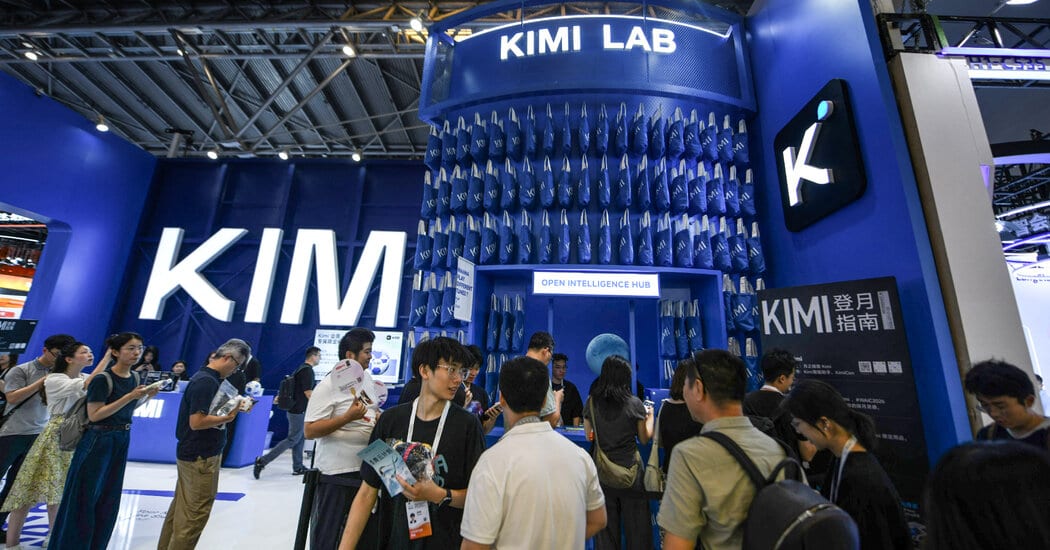
The New York Times highlights a specific worry inside the Trump administration: Chinese companies are embracing open‑source A.I. that originated in Western labs. Because those systems are freely downloadable, traditional export controls are harder to apply, and code can move across borders without the same paper trail as proprietary software sold under license.
For security‑minded officials, that raises the specter of advanced models being folded into tools for surveillance, cyber operations or industrial competition, all without a clear legal choke point. For American tech firms, it means that any White House move aimed at slowing Chinese adoption could also hit their own open‑source collaborations or partnerships. The practical takeaway is that a debate over Chinese access is likely to boomerang back into new compliance requirements for U.S. players as well.
What is at stake in the fight over A.I. rules
Behind the procedural tug‑of‑war is a larger question about who sets the norms for powerful A.I. tools. The Times report makes clear that the Trump administration has not yet settled whether the United States should treat open‑source A.I. more like basic research, which is usually shared freely, or like sensitive technology, which is tightly screened. That choice will shape how fast new models circulate and who gets to build on top of them.
For developers, the stakes are concrete. A permissive approach would keep the current ecosystem of open‑source code, shared models and collaborative research largely intact, even if it comes with guidelines. A restrictive approach could push more work behind corporate and government firewalls and limit what independent researchers can do. Either way, the administration’s next move will influence which countries and companies set the pace of A.I. development over the coming years.
What to watch next in the White House A.I. debate
The New York Times story does not spell out a final decision, which underscores how live this fight remains inside the Trump White House. The next signals to watch will be any new guidance from federal agencies on open‑source models, along with whether officials publicly frame Chinese use of these tools as a central threat that demands fast action. Any shift in language from caution to urgency would likely be felt quickly in funding decisions, compliance teams and product road maps.
For listeners and readers tracking the politics of technology, this is a moment to pay attention. The A.I. systems powering music recommendations, sports analytics and film discovery all sit inside the same policy environment now under review in Washington. As The New York Times reporting unfolds, you can follow live news and talk on Spinn Radio to hear how developers, policymakers and everyday users react in real time.
“The A.I. systems powering music recommendations, sports analytics and film discovery all sit inside the same policy environment now under review in Washington.”
Good to know
Frequently asked questions
What is the main issue in the current A.I. policy debate
The main issue is how the Trump administration should regulate open‑source A.I. models. These freely downloadable systems are popular with Chinese companies and have sparked security and industry concerns in Washington.
Why are open‑source A.I. models seen as risky
Open‑source A.I. models are seen as risky because anyone can download and adapt them, including foreign rivals and potential bad actors. That ease of access complicates traditional export controls and worries U.S. officials focused on security.
How is Silicon Valley affected by the White House’s uncertainty
Silicon Valley is affected because mixed signals from the White House make it hard for companies to plan products and investments around open‑source A.I. A sudden shift toward stricter rules could disrupt projects that depend on these models.
Why does Chinese use of open‑source A.I. matter for U.S. policy
Chinese use of open‑source A.I. matters because it shows how advanced models can spread beyond U.S. control. That dynamic is pushing the Trump administration to weigh tighter rules that could hit both foreign and American developers.
Explore more on Spinn Radio: Follow live news and talk on Spinn Radio
Sources