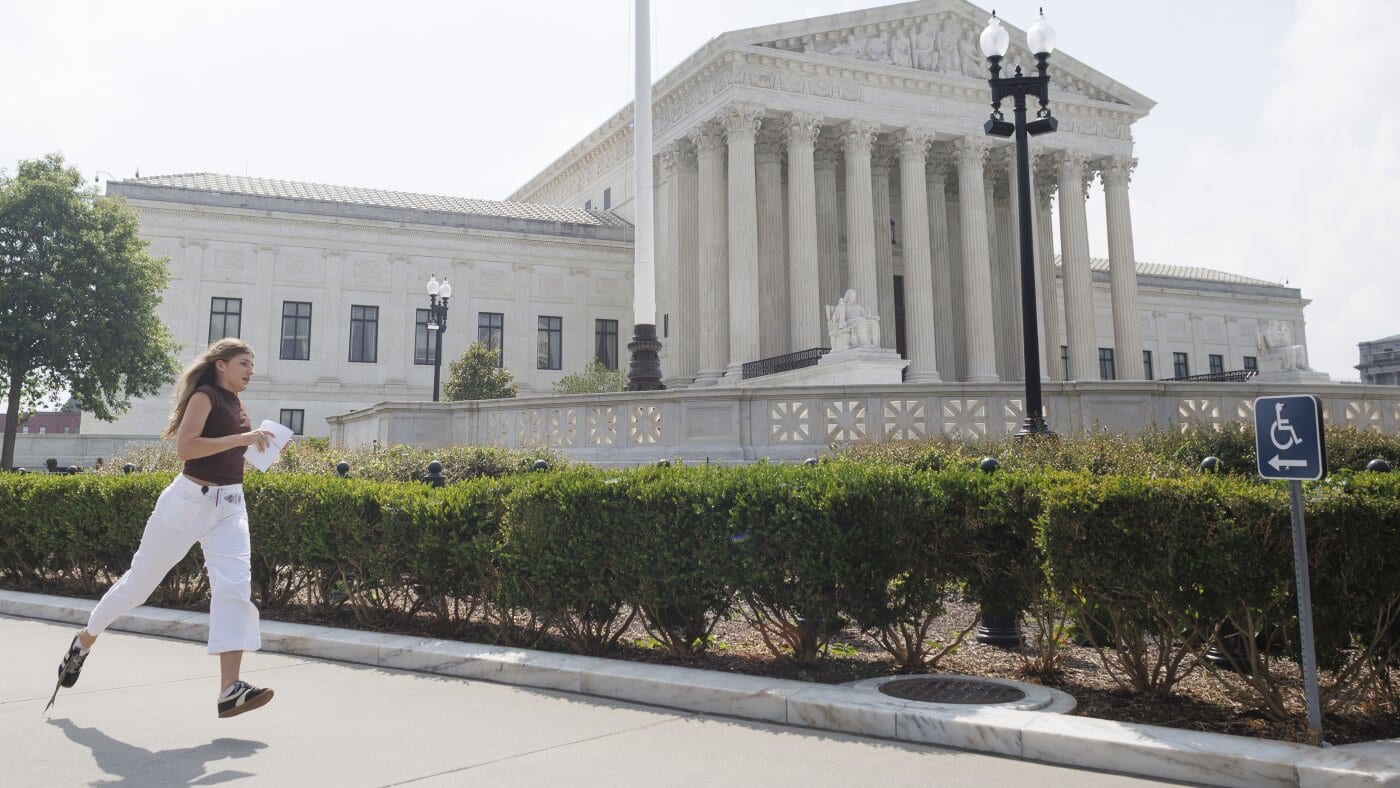
The US Supreme Court is preparing to hand down rulings on birthright citizenship and transgender athletes, BBC News reported on Tuesday, setting up a pivotal moment for some of the most divisive issues in American politics. Both cases cut to the core of who is recognized under US law and who can compete in women’s sports, and each is closely tied to President Donald Trump’s stated priorities.
According to the BBC, the two highly anticipated decisions are central items on Trump’s agenda, which means the political fallout from the court’s move is likely to be immediate and intense. Advocates on immigration and LGBTQ+ rights are treating the coming opinions as watershed tests of the court’s direction and of how far a Trump-aligned agenda can go through the judiciary.
Key facts
- Source
- BBC
- Reported
- June 30, 2026
- Desk
- general
- Follow the story
- Spinn Radio Talk
Why these Supreme Court rulings matter for Donald Trump
BBC reporting makes clear that the birthright citizenship and transgender athlete cases sit at the heart of President Donald Trump’s program. Immigration and restrictions on trans participation in sports have been recurring flashpoints in his political messaging, and Supreme Court backing would offer powerful legal validation for those positions. That is why these rulings are being watched not just as technical legal decisions, but as a gauge of how fully the court will align with his priorities.
If the justices endorse limits on birthright citizenship, Trump could frame the decision as a major victory on immigration. A ruling narrowing the ability of transgender athletes to compete could likewise be cast by his allies as a win in the battle over gender and sports. Even before the outcomes are known, the fact that the court has taken up both questions at once signals how central they are to the national debate he helped shape.
For listeners following US politics on Spinn Radio, this is a classic moment where law and campaign strategy merge. The agenda that Trump has promoted at rallies and in interviews is now being tested in the one arena that can lock it into binding precedent for years to come.
“These are not just legal disputes, they are direct tests of how far Trump’s agenda can go through the Supreme Court.”
What is at stake in the birthright citizenship case
Birthright citizenship sits at the foundation of American immigration law, and the court’s ruling could reshape who is considered a US citizen at birth. While the BBC report does not detail the specific legal arguments in front of the justices, its emphasis that this decision is a core Trump agenda item underlines the stakes: any shift away from broad recognition of citizenship by birthplace would immediately touch millions of families’ sense of security and belonging.
Supporters of limiting birthright citizenship argue that current rules encourage irregular migration and so‑called “anchor babies.” Opponents warn that curtailing it would create a permanent class of people born in the United States but denied citizenship, with consequences for voting rights, access to services, and even basic identity documents. The Supreme Court’s interpretation will either reinforce the long‑standing understanding of citizenship by soil or open the door to a narrower, more conditional version.
Whichever way the ruling goes, it will quickly become a reference point in every future fight over immigration enforcement and reform. That is why advocacy groups, politicians, and legal scholars are all bracing for a decision that could move the boundary line of American membership itself.
“A shift on birthright citizenship would redraw the boundary of who counts as American from the moment of birth.”
Spinn Radio
Follow live news on Spinn Radio
How the transgender athlete ruling could reshape sports debates
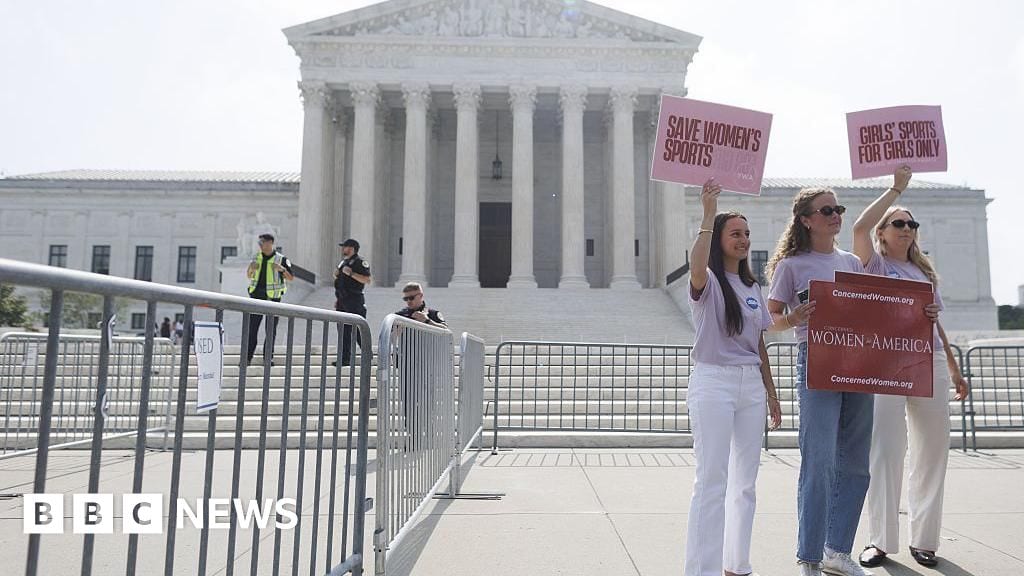
The second case flagged by the BBC focuses on transgender athletes, an issue that has become a flashpoint in school boards, statehouses, and sports federations. At the Supreme Court level, the question is not simply who can line up in a given race or match, but how federal law reads gender and fairness in competition. A ruling that narrows the space for trans participation could be used to justify wide‑ranging bans, while a broader view of protections could limit efforts to exclude trans athletes from women’s categories.
For President Donald Trump, restrictions on transgender athletes sit squarely within a broader cultural platform that emphasizes traditional gender categories and invokes “protecting women’s sports.” The BBC’s framing of this case as a central agenda item underscores that a favorable decision would be celebrated by his supporters as confirmation that the highest court shares their concerns about fairness and safety in competition.
Sports organizations, from local school leagues to professional bodies, will be watching for guidance on how to structure eligibility rules after the ruling. Even if the decision speaks narrowly to a particular law or policy, it will almost certainly be cited in future disputes over transgender inclusion in athletics.
“Whatever the court decides on trans athletes will echo in every league that is now rewriting its rulebook.”
What these cases reveal about the current Supreme Court
The BBC’s report that the court is set to rule on both birthright citizenship and transgender athletes at the same time offers a snapshot of where the justices are choosing to focus their attention. By selecting two issues that sit at the center of President Donald Trump’s stated agenda, the court is positioning itself squarely inside some of the most charged policy fights of the moment, rather than staying on the sidelines.
Observers will be scrutinizing not only the final outcomes but also how broad or narrow the court’s reasoning is. Sweeping opinions could reset the legal terrain on immigration and LGBTQ+ rights for a generation. More limited rulings might resolve the immediate disputes while leaving much of the broader debate to Congress, the states, and future cases.
Either way, the pairing of these decisions highlights the court’s growing role as an arbiter in cultural battles that animate election campaigns and cable news alike. The coming opinions will serve as a fresh benchmark for how this Supreme Court balances individual rights, equality claims, and the deference it gives to policymakers aligned with Trump’s priorities.
What to watch next and where to follow updates
BBC News reported that these rulings are highly anticipated, which means reaction will be fast and fierce once the opinions are released. Watch for immediate responses from the White House, key members of Congress, and advocacy groups on both immigration and LGBTQ+ issues, as each side rushes to define the meaning of the decisions for voters.
Legal analysts will quickly parse the court’s language to see whether it leaves room for future challenges or invites new legislation. If the rulings are broad and closely aligned with President Donald Trump’s agenda, expect opponents to frame the decisions as a wake‑up call about the direction of the judiciary. If the court takes a more cautious route, supporters of Trump’s priorities may push for further cases or laws to press the issues again.
For ongoing coverage, interviews, and reaction segments as the story unfolds, you can Follow live news and talk on Spinn Radio. The legal reasoning may be dense, but the implications for citizenship, identity, and sports will be central to US politics for months and years to come.
“The legal opinions will land in a matter of pages, but the political argument over what they mean is just beginning.”
Good to know
Frequently asked questions
What is the Supreme Court deciding about birthright citizenship?
The Supreme Court is preparing to rule on a case involving birthright citizenship. The decision could redefine who is treated as a citizen from birth under US law.
Why are transgender athletes part of this Supreme Court term?
The court is also set to rule on a case about transgender athletes, reflecting ongoing national disputes over gender, fairness, and participation in women’s sports.
How are these cases connected to Donald Trump?
Both the birthright citizenship and transgender athlete cases are described by BBC reporting as core agenda items for President Donald Trump. The rulings will be read as a test of how closely the court aligns with his priorities.
Where can I follow reaction to the Supreme Court rulings?
You can follow reaction to the rulings through news and analysis segments on Spinn Radio Talk, which is covering the political and legal fallout as it develops.
Explore more on Spinn Radio: Follow live news and talk on Spinn Radio
Sources