The Supreme Court rulings; Iran-US talks; Murder rates story from NPR centers on a long-awaited decision on birthright citizenship that is due today, the final day of the Court’s term. Reported on June 30, 2026, NPR says the case has been held for months, and its outcome could reset who is entitled to automatic U.S. citizenship at birth.
The ruling lands as the U.S. murder rate nears a record low and as Iran and the United States test fresh diplomatic contact, a convergence that puts questions of security, rights, and national identity on the table at the same time.
Key facts
- Source
- NPR
- Reported
- June 30, 2026
- Desk
- general
- Follow the story
- Spinn Radio Talk
What today’s Supreme Court birthright citizenship ruling is about
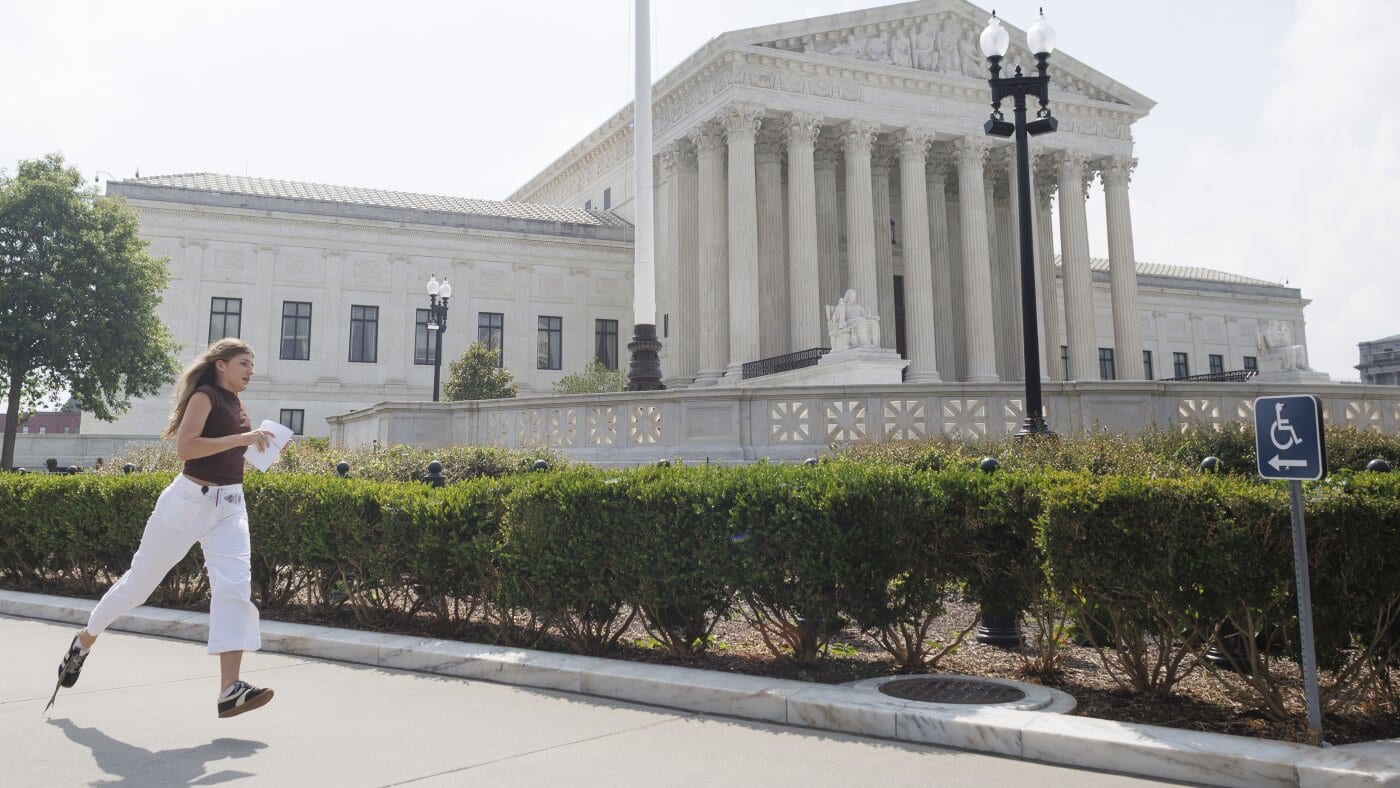
NPR reports that the Supreme Court is expected to hand down a long-awaited ruling on birthright citizenship today, which is also the last day of the Court’s current term. The timing signals that this case is among the most contentious matters the justices faced this year, held until the final batch of opinions. Birthright citizenship touches the constitutional principle that people born on U.S. soil are automatically citizens, a rule that has structured American life, immigration policy, and civil rights debates for generations.
Because the ruling is expected at the very end of the term, legal watchers will be focused not only on the outcome but also on how the justices reason their way there. The decision will clarify who is entitled to citizenship at birth and under what circumstances that right can be limited, if at all. For anyone following U.S. politics and immigration, today’s ruling is the one to watch, since it will shape everything from family status to future legislative fights over the border and naturalization.
Spinn Radio listeners can track reactions from legal analysts and political voices as the decision drops by tuning into Follow live news and talk on Spinn Radio, where the birthright citizenship case is set to dominate the day’s conversation.
“Birthright citizenship is not an abstract legal puzzle; it decides who counts as American from their first day of life.”
Why the ruling lands on the Supreme Court’s last day of term
NPR notes that the citizenship decision is arriving on the high court’s last day, a familiar pattern for the most closely watched cases. The justices traditionally reserve their hardest or most politically sensitive rulings for the term’s finale, after months of internal negotiation over draft opinions and potential dissents. That timing alone signals that this case carries unusual weight inside the Court.
For court watchers, the last day of term functions like a compressed news cycle. Multiple opinions often arrive within minutes, and the public only learns the outcome when the justices take the bench and release the decisions. A high-stakes issue like birthright citizenship, delivered in that end-of-term rush, means immediate scrutiny of the vote breakdown, the majority’s logic, and any separate writings that might hint at where the Court could move in future immigration or voting rights cases.
The key takeaway is simple: when the Court waits until its final session to release a ruling, it is telling everyone from Congress to the White House that the case belongs on the front line of the legal and political agenda.
“End-of-term opinions are the Court’s way of saying: pay attention, this one will echo far beyond the courthouse.”
Spinn Radio
Follow live news on Spinn Radio
How Iran-US talks shape the backdrop to today’s rulings
Alongside the Supreme Court news, NPR flags Iran-US talks as part of the same fast-moving story. While the report does not detail specific negotiation tracks or venues, the framing makes clear that some form of diplomatic contact or discussion is underway or imminent. That conversation unfolds against ongoing tensions over security, sanctions, and regional stability, which have defined relations between Washington and Tehran for years.
The presence of Iran-US talks in the same headline as the Court’s citizenship ruling underscores how foreign policy and domestic law often move in parallel rather than in isolation. Questions about who gains citizenship and under what conditions often interact with U.S. positions on refugees, asylum, and migration from conflict zones, including the Middle East. As U.S. diplomats weigh their options with Iran, any shift in legal rules around citizenship could affect how policymakers handle people caught between those geopolitical pressures and America’s borders.
For listeners tracking both tracks, this is a moment to watch official statements from Washington and Tehran and to consider how today’s Supreme Court decision could influence debates over asylum seekers, dual nationals, and long-term residents who live at the crossroads of foreign policy and domestic law.
“Iran-US diplomacy and a citizenship ruling may seem separate, but together they reveal how the United States defines its responsibilities beyond its borders and within them.”
U.S. murder rate nears record low and why that matters now
NPR also reports that the U.S. murder rate is approaching a record low, a striking counterpoint to political narratives that often center on rising crime. The exact figures are not detailed in the report, but the direction is clear: homicides are trending near historic lows nationwide. That statistical shift changes the terrain for debates over policing, criminal justice reform, and community safety programs.
A lower murder rate does not end concern over violence, yet it does alter the evidence base that mayors, governors, and members of Congress point to when they argue for new laws or funding priorities. It also intersects with conversations about how secure people feel in their daily lives, which in turn shapes how they react to decisions on immigration, citizenship, and foreign policy. When actual risk and perceived risk move in different directions, political rhetoric often fills the gap.
For anyone following today’s Supreme Court decision and the broader national mood, the near-record-low murder rate is a crucial data point. It suggests that the United States is navigating its citizenship and security choices in a moment when lethal violence is trending down, not up, which may surprise listeners who only hear about crime during campaign season.
“The murder rate is drifting toward a record low even as the political conversation still sounds like a crisis briefing.”
What to watch next as rulings, talks, and crime data collide
With NPR’s June 30 report tying together the Supreme Court’s citizenship ruling, Iran-US talks, and the near-record-low murder rate, the next phase is all about reaction. Legal analysts will dissect the birthright citizenship decision as soon as it is released, looking at who gains or loses status under the new interpretation. Advocates on all sides of the immigration debate are likely to seize on the ruling as evidence for their broader arguments about the border, enforcement, and constitutional rights.
On the diplomatic front, the reference to Iran-US talks means listeners should watch for any official confirmation of meetings, negotiations, or statements of intent from both capitals. Any visible progress or breakdown in those contacts will feed back into domestic politics, especially in a year when security, sanctions, and nuclear issues are never far from the headlines. At the same time, new crime data will continue to emerge, either reinforcing or revising the picture of a murder rate nearing a record low.
For real-time coverage that pulls these threads together, listeners can head to Follow live news and talk on Spinn Radio, where hosts will be tracking the Court’s announcements, the diplomatic signals out of Tehran and Washington, and the latest crime statistics as they land. The story does not end with today’s rulings; it begins a new chapter in how the United States thinks about citizenship, safety, and its role in a shifting world.
“Today’s decisions and data points are the opening move in a longer fight over how the United States defines belonging and security in 2026.”
Good to know
Frequently asked questions
What is the Supreme Court deciding on birthright citizenship today?
The Supreme Court is expected to rule on a long-awaited birthright citizenship case that will clarify who is entitled to automatic U.S. citizenship at birth. NPR reports that the decision is due on the final day of the Court’s term, underscoring its significance.
Why is the citizenship ruling coming on the Court’s last day of term?
The citizenship ruling is arriving on the last day of the Supreme Court’s term because the justices often release their most contentious cases at the very end. According to NPR’s June 30 report, the timing signals the case’s importance inside the Court.
What did NPR report about the current U.S. murder rate?
NPR reports that the U.S. murder rate is approaching a record low. That trend reshapes debates over crime, policing, and how secure people feel day to day.
How do Iran-US talks relate to today’s Supreme Court news?
Iran-US talks form part of the broader context for today’s Supreme Court news, as reported by NPR. Diplomatic moves with Iran sit alongside domestic decisions on citizenship and crime when policymakers weigh security and national identity.
Explore more on Spinn Radio: Follow live news and talk on Spinn Radio
Sources