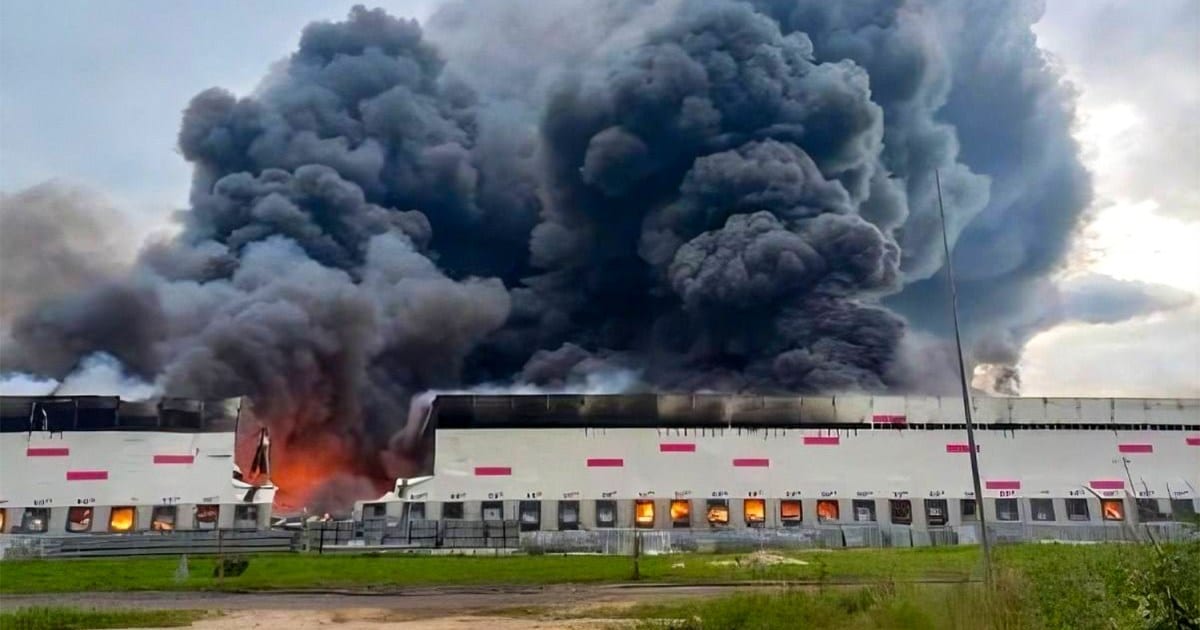
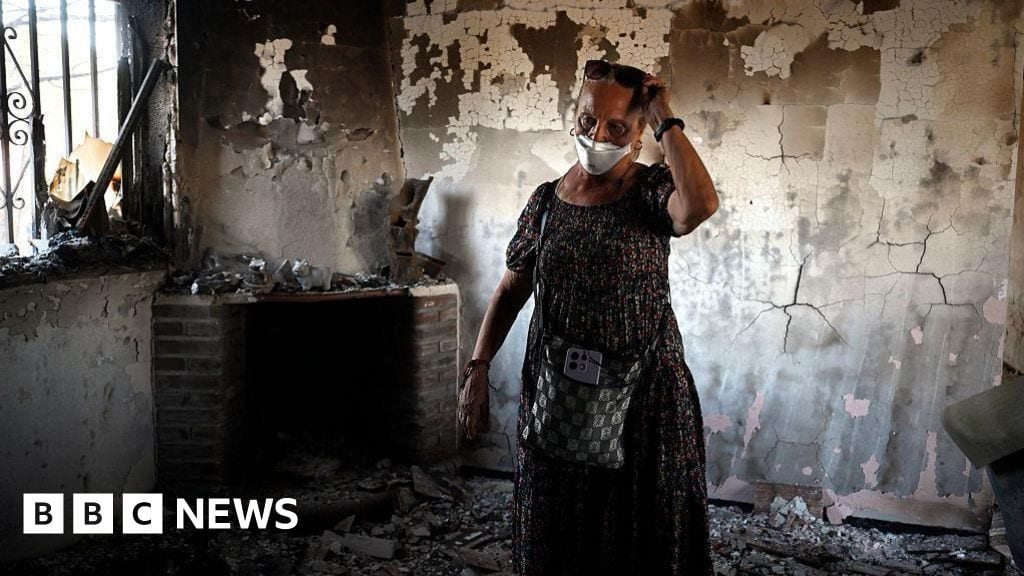
US and Iranian forces have resumed attacks after a short lull in fighting, with the US military intercepting what it called a “surprise attack” by Iran, CNN reported on July 29, 2026. The renewed exchange pierces several days of relative calm and signals that the latest Middle East flare‑up is far from contained.
The development, confirmed by US Central Command according to CNN, instantly shifts Washington and Tehran back into direct confrontation and puts regional forces on alert again. It also pulls the crisis to the top of global headlines, as governments and markets try to gauge whether this is a short spike or the start of a more dangerous cycle.
Key facts
- Source
- CNN
- Reported
- July 29, 2026
- Desk
- general
- Follow the story
- Spinn Radio Talk
What CNN is reporting about the latest US, Iran military clash
CNN reports that US Central Command intercepted a fresh “surprise attack” launched by Iran, ending what officials had described as a short period of relative calm. That calm lasted only a few days before the latest incident, which again put US forces and Iranian assets on opposite sides of an active battlefield.
While key tactical details were not immediately shared, the interception itself is significant. It shows that US forces remain in a high state of readiness and that Iran is still willing to test those defenses despite the recent pause. For anyone following the story in real time, the CNN bulletin on July 29 is the clearest sign yet that the confrontation has entered another active phase.
“The intercepted “surprise attack” marks the end of a brief pause and the return of open confrontation between US and Iranian forces.”
Why this renewed US, Iran fighting in the Middle East matters
The resumption of attacks matters because it cuts short a fragile window in which tensions had appeared to ease. A few quieter days can give diplomats room to work and militaries time to reposition. Once those days end with a “surprise attack, ” as CNN relayed from US Central Command, the narrative flips back to escalation risk and the possibility of miscalculation.
The United States remains a central security actor across the Middle East, and Iran is a long‑time rival with influence among armed groups across the region. Any direct clash between US and Iranian forces raises fears that local confrontations could widen, draw in partners on both sides, or provoke new attacks on shipping, bases, or energy infrastructure. Even without specific casualty figures or locations yet confirmed, the headline alone tells governments and markets to brace for renewed volatility.
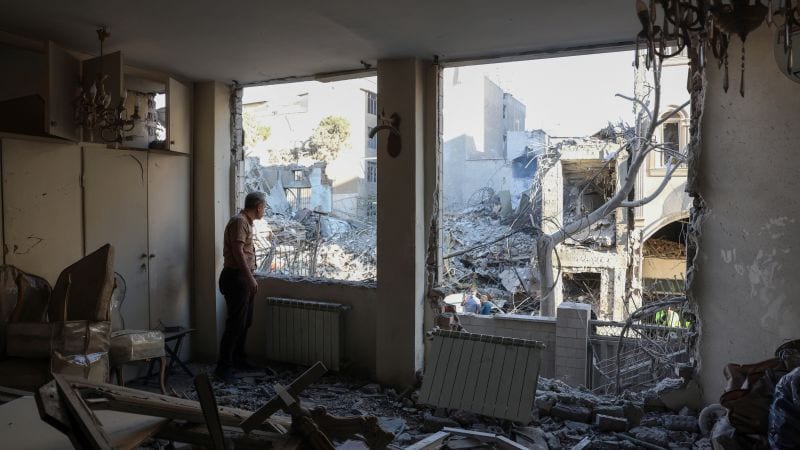
Spinn Radio
Follow live news on Spinn Radio
How a brief period of calm gave way to fresh attacks
In the days leading up to the incident reported by CNN, the region experienced what officials described as a period of “relative calm.” That did not mean the underlying dispute had been resolved. Instead, both sides appeared to be holding fire, at least publicly, while assessing the fallout from earlier confrontations.
Such pauses are sometimes used to signal restraint or to explore indirect talks, but they are also fragile. The fact that US Central Command is now describing the latest Iranian move as a “surprise attack” suggests Washington did not see it as part of any managed de‑escalation. For observers, the key takeaway is that the calm was tactical and temporary, not the start of a long‑term settlement.
“The calm was tactical and temporary, a pause that ended the moment Iran tested US defenses again.”
What is at stake for US forces, Iran, and the wider region
With US and Iranian forces trading fire again, the stakes extend well beyond a single intercepted strike. US commanders must protect personnel and assets while trying to avoid an incident that could force a much larger response. Iranian leaders, meanwhile, are testing how far they can push without triggering consequences they cannot control.
Every renewed clash raises the chance of misreading an adversary’s intentions or capabilities. That is why even a single interception, reported by CNN as a “surprise attack, ” matters strategically. It can influence deployment decisions, change how allied governments posture their own forces, and shape public debate about the US role in the Middle East. For people across the region, it is another reminder that periods of quiet can end abruptly.
How to follow breaking Middle East coverage on Spinn Radio
This story is still developing, and details about the intercepted attack, possible damage, and any follow‑on strikes are likely to shift as officials release more information. CNN’s report on July 29 sets the frame for now: a brief lull has ended, and US and Iranian forces are back in an active cycle of confrontation.
For listeners who want to track every new update and hear informed analysis as it lands, Spinn Radio is carrying rolling reaction and breaking coverage. You can Follow live news and talk on Spinn Radio, where hosts are unpacking CNN’s reporting, explaining the role of US Central Command, and taking audience questions as the situation evolves.
“The picture is still coming into focus; the safest bet is to stay tuned as officials clarify what this latest clash means.”
Good to know
Frequently asked questions
What happened in the latest clash between US and Iranian forces?
US Central Command intercepted a “surprise attack” launched by Iran, according to CNN. The incident ended a short spell of relative calm in the region.
Why did the renewed Middle East fighting draw so much attention?
The renewed fighting drew attention because it ended a brief lull and involved direct confrontation between US and Iranian forces. That combination heightens fears of wider escalation.
How long did the period of relative calm last before this attack?
Officials described only a few days of relative calm before the intercepted attack. The short pause shows how quickly the situation can swing back to confrontation.
How can I follow ongoing updates about this Middle East flare‑up?
You can follow ongoing updates and analysis on Spinn Radio’s talk coverage. Start with the live programming at Follow live news and talk on Spinn Radio.
Explore more on Spinn Radio: Follow live news and talk on Spinn Radio
Sources