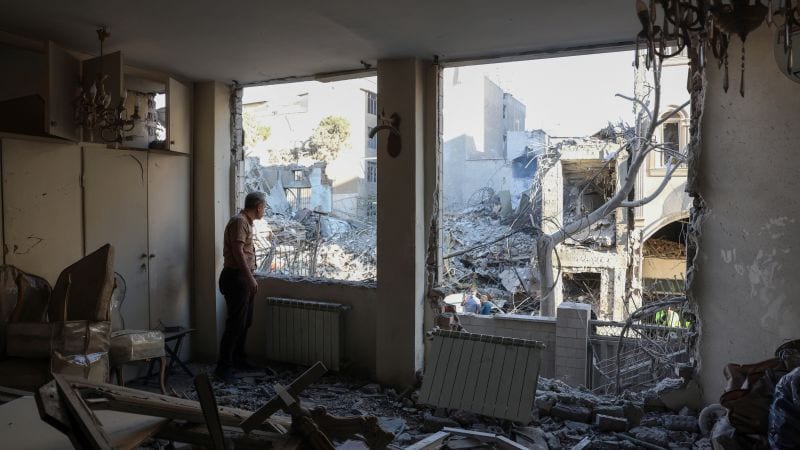
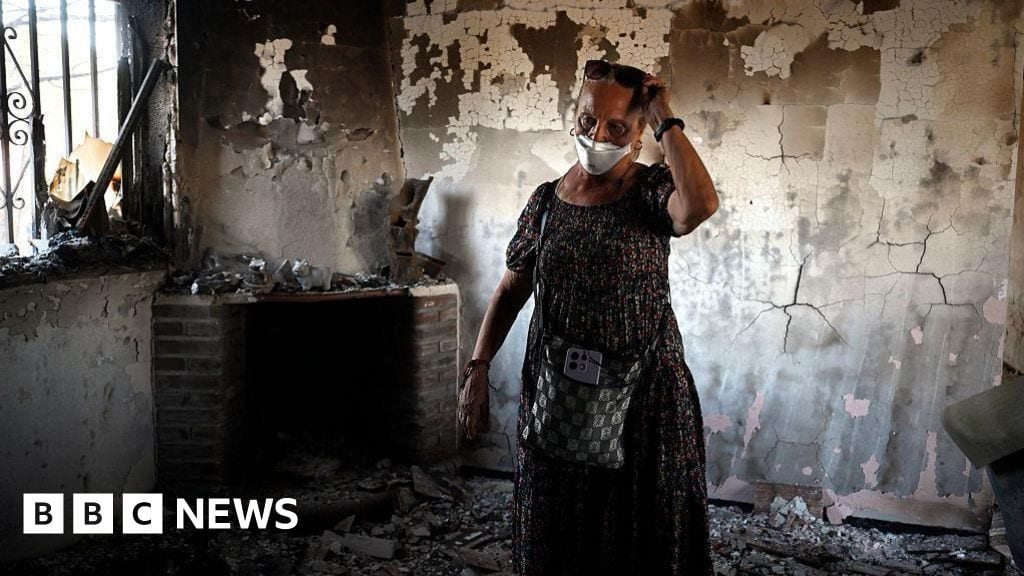
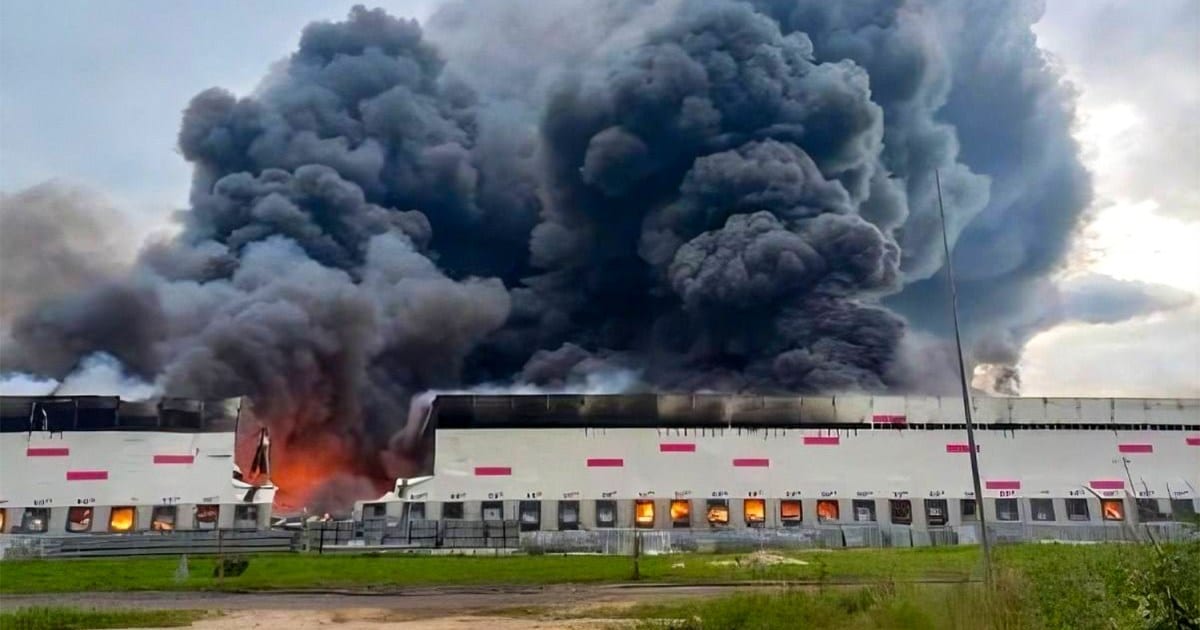
Russian industrial sites are on fire after reported Ukrainian drone attacks, Al Jazeera reported on Wednesday, in the latest sign that the war is increasingly targeting economic infrastructure. Among the sites affected, Russia’s top online retailer Wildberries says it has evacuated warehouses in the central city of Ryazan.
The blazes highlight how drones are pushing the fighting deeper into the Russian interior and onto facilities that power daily life and online commerce. With little clarity yet on the full scale of the damage, the question now is how long Russia’s logistics networks can absorb strikes of this kind.
Key facts
- Source
- Al Jazeera
- Reported
- July 29, 2026
- Desk
- general
- Follow the story
- Spinn Radio Talk
What Al Jazeera is reporting about the latest Russian fires
Al Jazeera reported on July 29, 2026, that multiple Russian industrial facilities were burning after attacks blamed on Ukrainian drones. The broadcaster described a widening pattern of strikes hitting not just front-line positions, but industrial targets linked to Russia’s broader war effort and economy.
One confirmed impact is on Wildberries, a dominant player in Russia’s online retail sector, which said it had evacuated warehouses in Ryazan. That detail matters for ordinary Russians because it connects the war directly to delivery times, product availability, and jobs in a major e‑commerce hub.
The emerging picture is of a campaign that aims to stretch Russian air defenses and inflict disruption inside the country’s own industrial belt. The fires, still being assessed, underscore how drones have become strategic tools for reaching deep into an adversary’s territory.
“Fires in Ryazan warehouses turn a distant front line into something that touches online orders and warehouse shifts.”
Why Wildberries’ Ryazan evacuation is a big signal
Wildberries’ confirmation that it evacuated warehouses in Ryazan is the clearest single indicator of how disruptive these attacks could be. Ryazan is a key logistics node inside Russia, and when a top online retailer has to pull staff and goods from local sites, the knock-on effects can ripple through delivery networks far beyond one city.
For customers, that can mean delays, cancelled orders, or gaps in inventory. For workers, it can mean sudden changes in shifts, access, or even temporary loss of a workplace while fire damage is assessed. Even without public figures on the scale of the blaze, an evacuation on this level suggests that the company judged the risk from fire or further attack to be serious enough to halt normal operations.
Strategically, the Ryazan evacuation shows that relatively low-cost drones can force large companies to spend time and money on emergency responses inside Russia’s own borders. That is exactly the kind of asymmetry Ukraine appears to be seeking with long‑range drone use.
“When a retail giant pulls out of Ryazan warehouses, it is not just a fire, it is a stress test of Russia’s home‑front logistics.”
Spinn Radio
Follow live news on Spinn Radio
How Ukrainian drones are reshaping the war’s geography
The fires at Russian industrial sites fit into a broader shift in the geography of the conflict. Drones allow Ukraine to strike far from the front, making rear-area depots, factories, and warehouses part of the battlefield. Instead of only hitting troop positions or border regions, these aircraft can reach cities like Ryazan that many Russians once saw as safely distant from direct attacks.
Industrial sites are attractive targets in this context. Warehouses hold goods, equipment, or supplies that support both civilian life and, in some cases, the wider war machine. Setting them ablaze ties up emergency services, raises insurance and security costs, and forces companies to strengthen physical defenses that were designed for accidents, not air attacks.
This pattern also tests Russia’s internal air-defense posture. Every drone that reaches an industrial site exposes vulnerabilities in detection and interception. Even when the physical damage is limited, the psychological impact of seeing fires light up maps of central Russia can be significant.
“Drones have redrawn the war map, turning rear-area warehouses into front‑line risks.”
What is at stake for Russia’s economy and supply chains
Industrial fires like those reported this week may look local, but they can compound pressure across a large economy. If facilities tied to online retail, energy, or manufacturing face repeated disruptions, businesses may need to re-route shipments, duplicate warehouses, or invest in hardened infrastructure, all of which add cost and complexity.
For a company on the scale of Wildberries, any sustained threat to a logistics hub such as Ryazan would raise questions about redundancy. How easily can stock be shifted to other regions, and how quickly can new facilities be set up or existing ones reinforced against drone risks? Those are practical issues that affect everything from small vendors using its platform to consumers waiting for everyday items.
At the national level, recurring attacks on industrial sites could influence how Russia allocates resources between front-line military needs and the protection of domestic infrastructure. Fire damage at warehouses is a reminder that economic nodes are now part of the conflict, not just background to it.
What to watch next on Russian industrial strikes
Several key questions will shape where this story goes. One is whether this week’s fires remain isolated incidents or become part of a sustained pattern of strikes on Russian industrial hubs. Repeated hits on facilities like warehouses in Ryazan would indicate a deliberate campaign to erode logistical resilience deep inside Russia.
Another issue is how quickly companies and authorities respond with new protective measures. That could include enhanced air defenses around high‑value industrial sites, changes to shift patterns, or moving stock out of facilities judged to be at higher risk. Any sign that big players are quietly relocating or diversifying their warehouses would speak volumes about how they see the threat landscape.
Finally, watch for how both sides frame these incidents in information terms. Russian officials are likely to focus on fire control and continuity of services, while Ukrainian messaging, if it references such strikes, will emphasize reach and impact. For real‑time updates and analysis as this story develops, listeners can Follow live news and talk on Spinn Radio, where these attacks and their fallout will remain a central topic.
“The next phase of this story is not just where drones hit, but how Russia’s logistics machine adapts.”
Good to know
Frequently asked questions
What happened at Russian industrial sites this week?
Several Russian industrial facilities caught fire after reported Ukrainian drone attacks, according to Al Jazeera, with damage still being evaluated.
Why is the Wildberries warehouse evacuation in Ryazan important?
The Wildberries evacuation in Ryazan matters because it shows the strikes are disrupting a major online retailer’s logistics hub inside Russia.
How are Ukrainian drones affecting targets inside Russia?
Ukrainian drones are enabling strikes deep inside Russia on industrial sites such as warehouses, extending the conflict beyond traditional front lines.
What should we watch for next after these warehouse fires?
The key things to watch are whether similar strikes on Russian industrial hubs continue and how companies and authorities adjust their defenses and logistics.
Explore more on Spinn Radio: Follow live news and talk on Spinn Radio
Sources