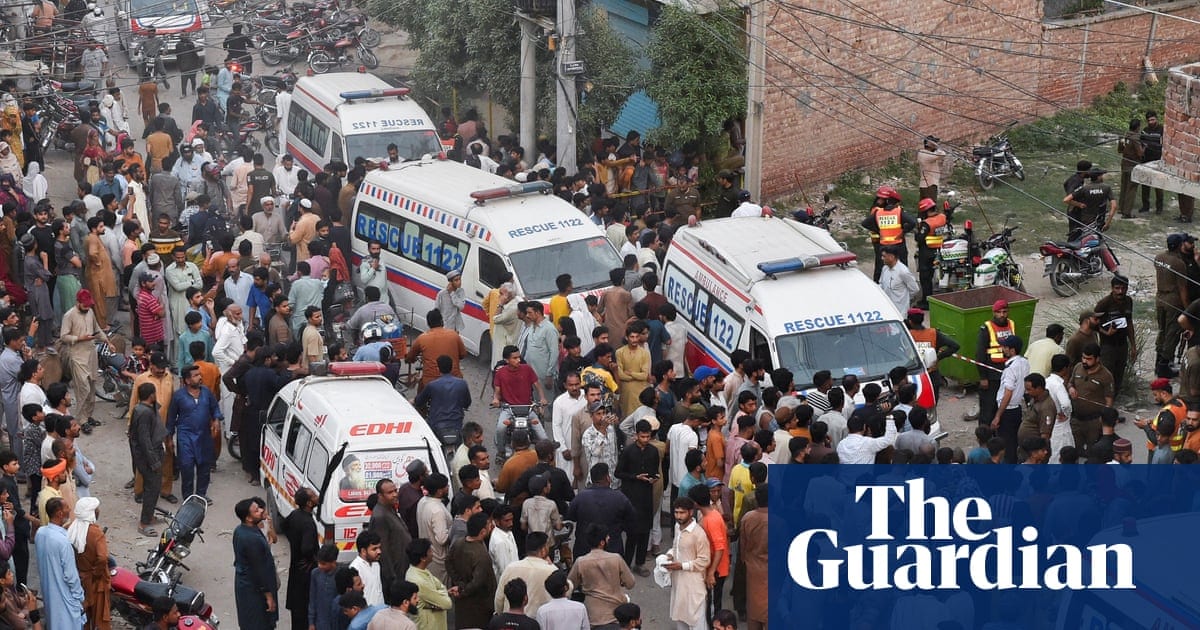
Fourteen children have been killed after the roof of a tutoring centre collapsed inside a residential building in Lahore, according to officials cited by The Guardian this week. Local authorities say early findings show the centre was unregistered and operating in a privately owned home, highlighting the risks of Pakistan’s booming but poorly regulated coaching industry.
The deaths, reported on Tuesday by outlets including The Hindu and the South China Morning Post, have triggered fresh scrutiny of how and where children are taught after school, and of the gaps that allow informal education businesses to run with little oversight.
Key facts
- Source
- The Guardian
- Reported
- June 30, 2026
- Desk
- general
- Follow the story
- Spinn Radio Talk
What officials say about the Lahore tutoring centre collapse
Reporting from The Guardian on 30 June says local officials believe the tutoring centre was unregistered and operating inside a private residential building. That early conclusion shapes the entire investigation: if confirmed, it would mean the business fell outside formal school regulation and inspection systems, even though it was teaching children in classroom-style settings.
Other outlets, including The Hindu and the South China Morning Post, also reported that at least 14 children were killed when the roof gave way at the centre in Lahore. Together, those accounts sketch a picture of a crowded, informal learning space inside a home that was not purpose-built as a school, which is now central to questions about liability and oversight.
The key immediate takeaway is simple and stark: officials are already pointing to the centre’s unregistered status as a factor that could have left structural risks unchecked before the roof came down.
“The unregistered status of the tutoring centre is already at the heart of the investigation into why the roof failed.”
Why unregistered tutoring centres are under scrutiny in Pakistan
The detail that the Lahore centre was unregistered and inside a privately owned building matters far beyond a single address. Across Pakistan, families rely on low-cost tutoring centres to supplement crowded public schools, and many operate informally in converted houses or apartments rather than purpose-built campuses.
Because these centres fall outside formal school frameworks, they are often subject to looser or patchier enforcement of building and safety codes. Local authorities quoted by The Guardian are effectively signalling that the absence of registration can mean an absence of regular inspections, even when dozens of children gather under one roof.
For parents and policymakers, the Lahore collapse crystallises a hard question: how to preserve access to affordable tutoring while ensuring that any space where children study meets the same basic structural and fire-safety standards expected of recognised schools.
Spinn Radio
Follow live news on Spinn Radio
How the Lahore roof collapse has been reported so far
The first wave of international coverage has come from a cluster of general news outlets, reflecting how quickly the story has resonated beyond Pakistan. The Guardian reported on the collapse on 30 June, citing local officials who confirmed the deaths and highlighted the tutoring centre’s lack of registration.
The Hindu focused on the fact that at least 14 children were killed in Lahore when the centre’s roof fell in, while the South China Morning Post, PerthNow and The Canberra Times all carried similar casualty figures and described the site as a tutoring centre. The consistent casualty count across these outlets is one of the few firmly established details at this early stage.
For readers trying to follow a fast-moving story across multiple sources, services like Follow live news and talk on Spinn Radio provide a way to hear how different newsrooms frame the same facts, and to track what officials confirm or correct in the coming days.
“The first reports agree on one core fact: at least 14 children died when the Lahore tutoring centre roof gave way.”
Key safety and accountability questions after the collapse
The central question now is how a tutoring operation, described by officials as unregistered, came to host children in a building whose roof could not hold. Investigators will be pressed to clarify what sort of permissions, if any, the centre had secured from municipal authorities, and whether neighbours or parents had raised concerns about crowding or construction quality before the disaster.
Another looming issue is how responsibility will be apportioned between the building’s owner and the centre’s operators. Since the tutoring centre was inside a privately owned home, authorities will need to examine whether the structure was altered to create classrooms, and if so, whether those changes met code. The answers will shape any legal action and could influence how landlords view renting to informal education providers in future.
Beyond legal accountability, safety advocates are likely to seize on the case to argue for routine inspections of any site where children gather to study, whether registered or not. The Lahore collapse gives a human face to what might otherwise be an abstract debate about paperwork and licensing.
What to watch next in the Lahore tutoring centre investigation
With only preliminary findings available, the Lahore collapse remains a developing story. Officials cited by The Guardian have already identified the centre’s unregistered status and its location in a residential building, but many basic facts are still to be nailed down, including how many children were inside at the time and what exactly caused the roof to fail.
The next significant markers will be any public statements from city or provincial authorities on building inspections, possible charges, and whether they intend to survey other tutoring centres operating in similar conditions. Moves to tighten registration rules or to bring informal coaching centres under clearer regulation would show how far this tragedy reshapes local policy.
For now, the confirmed toll of 14 children gives the story its painful urgency. As more details emerge on the structure, the operators and the regulatory gaps, you can keep across the latest developments and on-the-ground reactions through Follow live news and talk on Spinn Radio.
“Policy shifts on how Pakistan regulates informal tutoring spaces will be the clearest sign of the impact of this tragedy.”
Good to know
Frequently asked questions
What happened at the Lahore tutoring centre?
A roof collapsed at a tutoring centre in Lahore, killing 14 children according to officials cited by multiple outlets. The centre was operating inside a residential building.
Why does the tutoring centre’s registration status matter?
Officials told The Guardian that preliminary reports show the centre was unregistered, which likely placed it outside normal school inspection regimes. That gap in oversight is now a core focus of the investigation.
Where was the tutoring centre operating inside Lahore?
The centre was operating inside a privately owned residential building in Lahore, according to local officials. It was not described as a purpose-built school campus.
What could change after the Lahore roof collapse?
The collapse is likely to spur scrutiny of unregistered tutoring centres and how they use residential buildings. Authorities may face pressure to tighten registration and safety checks for informal education spaces.
Explore more on Spinn Radio: Follow live news and talk on Spinn Radio