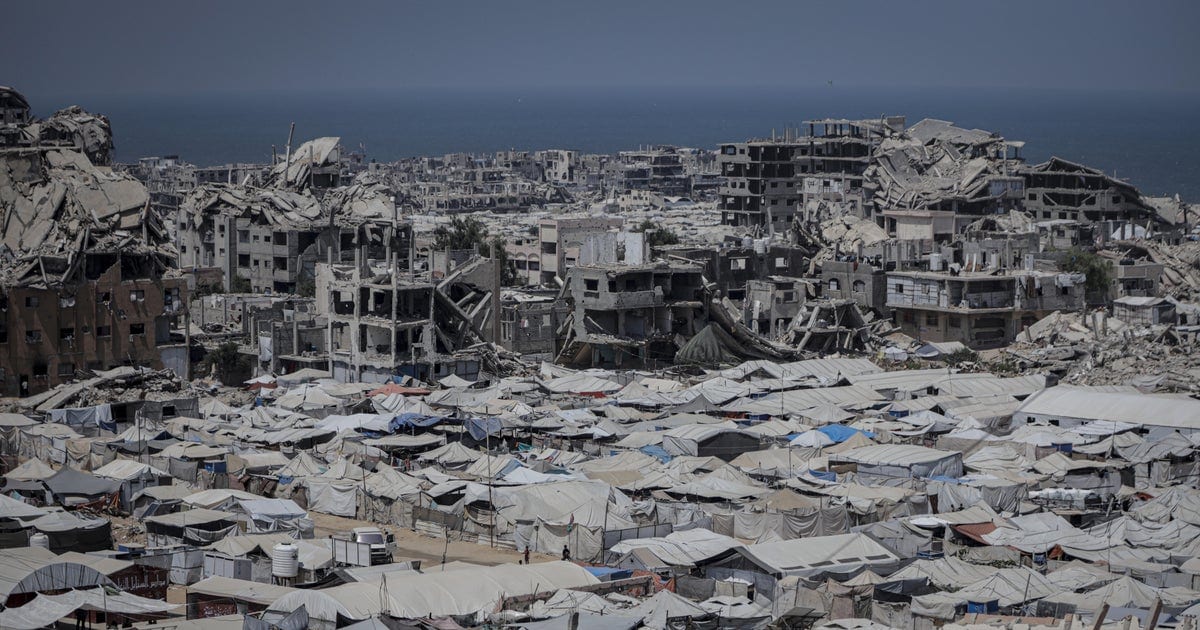
The Iran war has flared back up after a short pause in hostilities, with the U.S. military resuming strikes in Iran on July 29, according to USA Today. The outlet reports that Donald Trump said he wanted to hit Iranian targets “very hard” and “smack them a little bit, ” signaling a renewed phase in the conflict.
The escalation, reported on July 31, 2026, comes just days after the apparent lull in fighting and raises immediate questions about how far the strikes will go and how Iran will respond. With Washington openly framing the latest action as a punishing blow, the risk of a wider regional crisis is back in sharp focus.
Key facts
- Source
- USA Today
- Reported
- July 31, 2026
- Desk
- general
- Follow the story
- Spinn Radio Talk
What USA Today is reporting about the new U.S. strikes in Iran
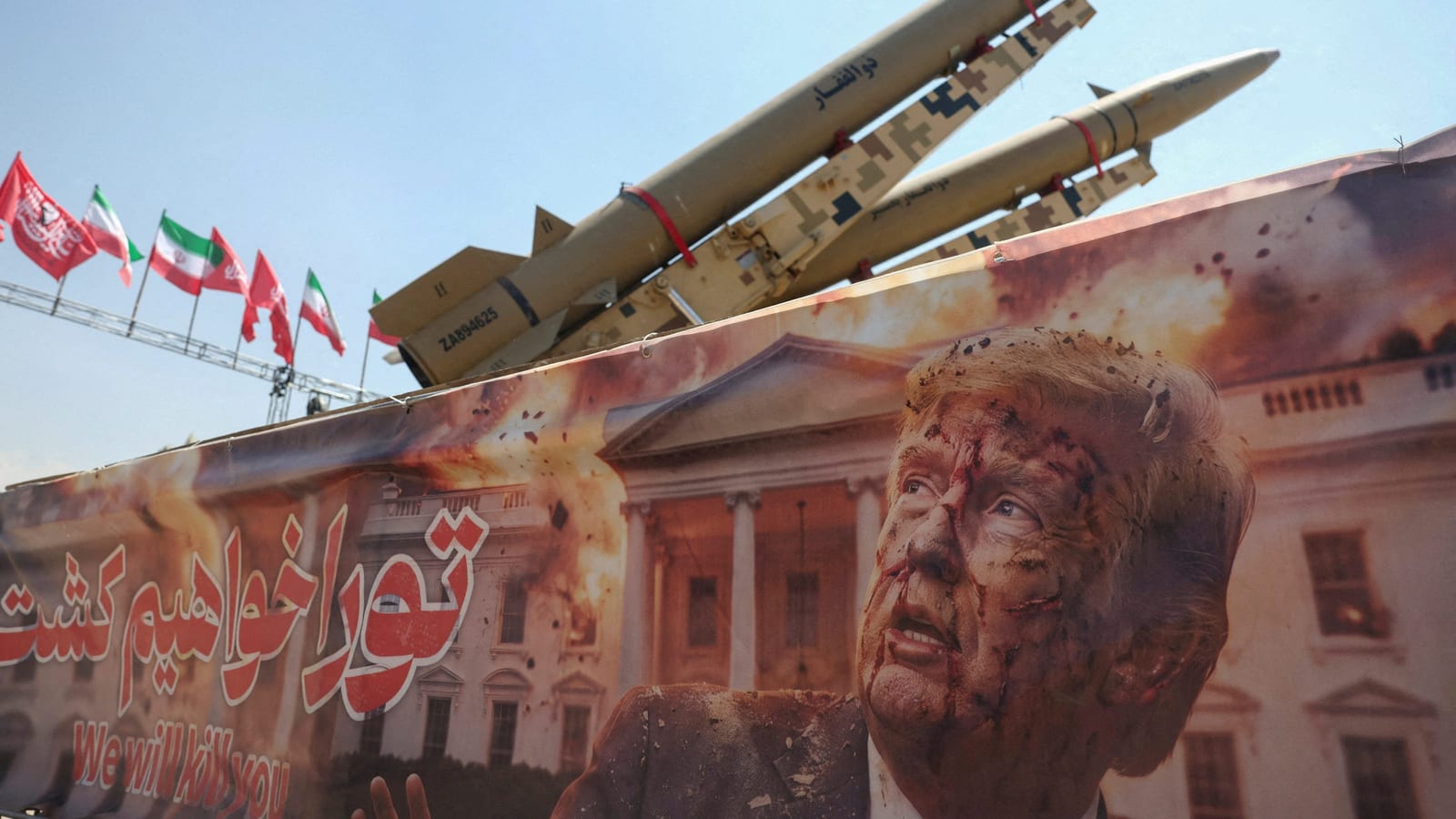
USA Today reports that the U.S. military launched fresh strikes inside Iran on July 29, marking a clear end to a brief pause in fighting. The outlet says Donald Trump described his intent as hitting Iranian targets “very hard” and, in his words, to “smack them a little bit.” That language points to an operation cast by Washington as both retaliatory and demonstrative, intended to signal resolve after the short lull.
The report, carried by USA Today and dated July 31, 2026, frames these strikes as part of a continuing war involving Iran and U.S. forces. The timing matters. A pause in hostilities had created at least a temporary sense that the confrontation might cool. Instead, the July 29 strikes show that the conflict is still active, with political leaders publicly emphasizing the severity of the blows being delivered.
For now, USA Today is the key public source tying specific U.S. military action to a precise date and to Trump’s own words about “very hard” strikes. That combination of new attacks and forceful rhetoric is the central development in this renewed phase of the Iran war.
“The July 29 strikes ended a short-lived lull and put Trump’s promise to hit Iran “very hard” back at the center of the conflict.”
How the brief pause in hostilities shapes the new escalation
The latest U.S. strikes in Iran come immediately after what USA Today describes as a pause in hostilities. Even without a formal cease-fire on the record, any lull in active combat shifts expectations on the ground and abroad. When fighting slows, diplomats, markets, and civilians start to look for signs that a plateau, or even a negotiated off-ramp, might be emerging.
Instead, the July 29 operation shows that the quiet period was temporary. The return to active strikes, and the choice by Trump to publicly talk about hitting Iran “very hard, ” suggests Washington was treating the pause as only a tactical breather, not a change in course. That kind of stop-start pattern can be especially destabilizing, since each resumption of force becomes a fresh test of how far the other side is willing to go.
The key takeaway from this sequence is simple: the war did not burn out during the pause. It is back in a kinetic phase, with U.S. forces again hitting targets inside Iran and political leaders openly emphasizing the toughness of the response.
Spinn Radio
Follow live news on Spinn Radio
What is at stake in the renewed Iran war phase
With U.S. strikes in Iran now back underway, the stakes widen beyond individual targets. USA Today’s reporting that Trump wants to “smack them a little bit, ” while also hitting “very hard, ” captures a mix of punishment and signaling that often defines modern conflict. When Washington chooses to strike inside another country after a pause, it is not only about the immediate battlefield, it is also about deterrence, domestic politics, and alliances watching from the sidelines.
At stake are the lives of people directly in the conflict zone, the security calculations of neighboring states, and the credibility of U.S. commitments. Each new round of strikes risks miscalculation. Iran’s leadership will be pressed to decide whether to absorb the blows, retaliate in kind, or escalate in other arenas. For U.S. decision-makers, the question becomes how to calibrate further action so that “very hard” does not spiral into a confrontation that is harder to control.
The dates in the USA Today report give one important marker for anyone tracking this: July 29 is now a clear reference point for when the war moved from pause back into open strikes. That timing helps analysts and citizens alike understand how this phase fits into the longer arc of the conflict.
“July 29 has become the new reference point for when the Iran war shifted from pause back to active U.S. strikes.”
How Trump’s rhetoric frames U.S. intentions toward Iran
Trump’s words, quoted by USA Today, are central to understanding how this escalation is being presented. Saying he wanted to hit Iran “very hard” and “smack them a little bit” blends the language of overwhelming force with a phrase that suggests a limited but pointed blow. That split tone can be read as an attempt to show toughness while leaving room to argue that the action is still controlled and calibrated.
Rhetoric matters in wartime. When a political leader talks openly about the severity of planned strikes, allies and adversaries both listen closely. Iran’s leaders and military planners will parse terms like “very hard” for clues about whether Washington is preparing only a short campaign of strikes or laying the groundwork for a longer, more punishing operation. At home, those same words will frame how the public understands the scope and justification of the action.
The key detail here is that USA Today has Trump on record using those particular phrases in direct connection with the July 29 strikes. Anyone trying to gauge U.S. intentions in this war will be returning to that language while watching what follows on the ground.
“Trump’s promise to hit Iran “very hard” is now a central clue for anyone trying to read U.S. intentions in the conflict.”
Where to follow the Iran war story as it develops
With details still limited to what USA Today has reported, the Iran war remains a fast-moving story. The known facts are clear: after a brief pause in hostilities, U.S. forces launched new strikes inside Iran on July 29, and Trump publicly framed the action as hitting the country “very hard” and “smacking” it. The unanswered questions are how Iran will respond, whether more U.S. strikes are planned, and whether another pause or diplomatic opening will follow.
For listeners and readers trying to keep pace with each new turn, real-time coverage matters as much as written summaries. You can follow continuing updates, reactions, and expert analysis on Follow live news and talk on Spinn Radio, where hosts and guests will track how far this latest escalation goes and what it means for people on the ground and across the region.
The takeaway for now: the war is active again, not frozen, and the July 29 strikes are likely to be only one step in a longer series of moves and countermoves. Staying tuned to live coverage will be essential as more reporting emerges and the political rhetoric around the conflict continues to sharpen.
Good to know
Frequently asked questions
What happened in the latest U.S. military action in Iran?
The latest development is that U.S. forces launched strikes inside Iran on July 29, according to USA Today. The action marked a renewed phase in the war after a brief pause in hostilities.
Why did the Iran fighting resume after a pause?
Fighting resumed because the U.S. chose to carry out new strikes in Iran after a short lull, USA Today reports. Trump’s comments about hitting Iran “very hard” indicate Washington wanted to send a forceful signal rather than allow the pause to harden into a lasting calm.
What did Trump say about the new Iran strikes?
Trump said he wanted to hit Iran “very hard” and “smack them a little bit, ” according to USA Today. His words frame the strikes as both punishing and deliberately visible to Iran and the wider world.
Where can I follow ongoing coverage of the Iran war?
You can follow ongoing coverage of the Iran war on Spinn Radio, including live reactions and discussion. Start with Follow live news and talk on Spinn Radio for real-time updates as the story develops.
Explore more on Spinn Radio: Follow live news and talk on Spinn Radio
Sources