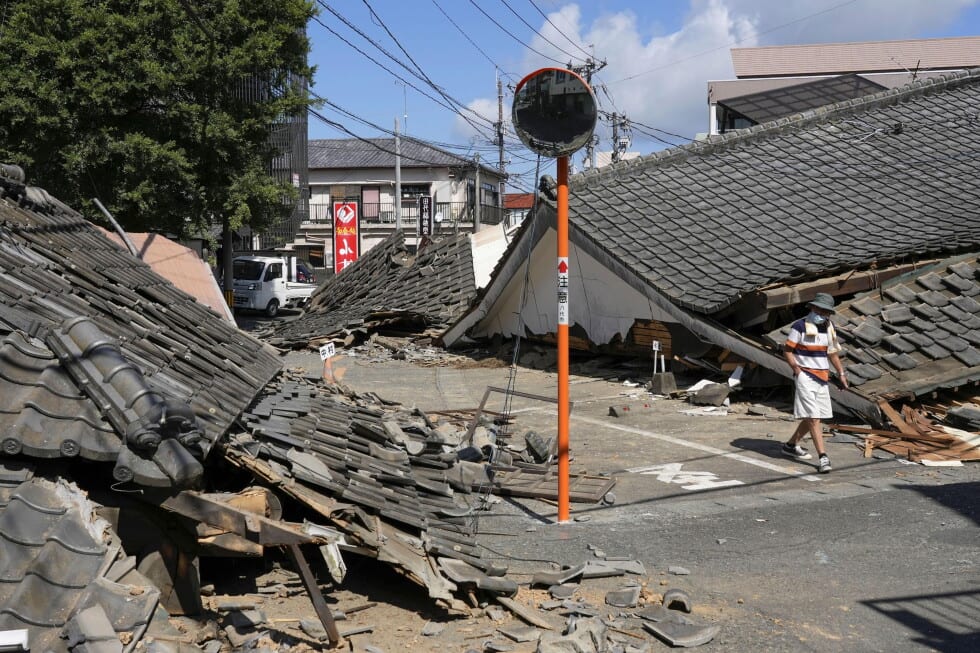
Quake survivors in southwestern Japan are spending nights in cars and crowded shelters in punishing summer heat, as the death toll from a powerful earthquake climbs to 34, according to reports cited by The Philadelphia Inquirer and other outlets. AP News reports that thousands of people are facing shortages of water and fuel while trying to endure searing temperatures and ongoing aftershocks.
The situation, reported on July 31, 2026, underscores how quickly a natural disaster can turn into a prolonged humanitarian and public health crisis. With essential supplies tight and formal shelters overwhelmed, many survivors are making hard choices about where and how to sleep, and how to stay safe in the heat.
Key facts
- Source
- AP News
- Reported
- July 31, 2026
- Desk
- general
- Follow the story
- Spinn Radio Talk
What we know so far about the southwestern Japan earthquake
AP News, cited by multiple outlets, reports that a powerful earthquake struck southwestern Japan, leaving at least 34 people dead. The scale of the death toll alone signals a severe disaster, and authorities are still assessing the full scope of the damage.
Thousands of residents have reportedly left damaged homes or unsafe buildings and are now seeking refuge either in official evacuation shelters or in their own vehicles. That displacement is happening as Japan endures its summer season, which means high temperatures that can quickly become dangerous in confined or crowded spaces.
Coverage from The Philadelphia Inquirer, The Manila Times, SooToday and BayToday all highlights the same basic picture: a region still in emergency mode, a rising human toll, and a population forced into makeshift living arrangements while rescue and relief work continues.
“A powerful quake has turned everyday spaces into survival shelters, from school gymnasiums to parked cars in the summer heat.”
Why quake survivors are sleeping in cars instead of shelters
AP News reports that many survivors are choosing to sleep in cars, rather than remain in crowded shelters, as they navigate shortages of water and fuel. For some, vehicles offer a sense of privacy or security when buildings may feel unsafe after the quake, especially with the possibility of aftershocks.
But cars are a precarious refuge in a Japanese summer. Metal roofs trap heat, parking lots offer little shade, and families may keep engines running to power air conditioning, which burns precious fuel that is already in short supply. Without steady access to fuel, survivors are left to balance the immediate relief of cooler air against the risk of being stranded later.
Crowded shelters present a different set of worries. Space is limited, conditions are often basic, and relief operations have to manage not just heat and sanitation but also the strain on supplies like drinking water. For displaced residents, neither option is comfortable. Both are the product of a disaster response stretched thin by the scale of the earthquake’s impact.
“In the heat of a Japanese summer, a parked car can feel like both a lifeline and a trap.”
Spinn Radio
Follow live news on Spinn Radio
Heat, water and fuel: the humanitarian challenges after the quake
AP News describes a convergence of pressures on survivors: punishing summer temperatures, water shortages and limited fuel supplies. Each of those factors intensifies the others. Without enough clean water, people cannot stay properly hydrated in the heat. Without fuel, they cannot rely on air conditioning in cars or power in temporary facilities.
Japan’s experience with earthquakes means local authorities train for mass shelters and rapid response, but sweltering conditions make every delay more dangerous. People sleeping shoulder to shoulder in gymnasiums or community centers may struggle with ventilation and cooling, while those in cars risk heat stress or exhaustion if they cannot maintain safe temperatures overnight.
The reported shortages suggest that supply chains into the affected area are still disrupted. Until fuel deliveries stabilize, it will be harder to power generators, move relief goods where they are needed, or help families who want to evacuate farther from the devastated zones. The longer those shortages persist, the more the emergency shifts from immediate trauma care to managing chronic strain on health and daily survival.
“Heat, thirst and empty fuel tanks are becoming as urgent as the cracked buildings left by the quake.”
Why the reported death toll of 34 matters for the days ahead
The reported death toll of 34, cited consistently across outlets that draw on AP News, is a stark measure of the earthquake’s force. It also suggests that authorities are still in a phase of active search, rescue and recovery, rather than full transition to long-term rebuilding.
In any large quake, the first days focus on locating survivors, treating injuries and stabilizing infrastructure like roads and power lines. As more information comes in, that death toll can change. For people watching from outside Japan, the figure of 34 is a snapshot in time, not a final accounting of the quake’s human cost.
This number also shapes how the government and aid agencies frame their response. A higher confirmed toll can trigger additional resources, expanded evacuation orders or broader eligibility for financial assistance. For families sheltering in cars or crowded halls, those decisions will directly affect how quickly they can access support or move into safer, more stable housing.
“The figure of 34 dead is not just a statistic; it marks a region still in the rescue phase, not yet the recovery phase.”
What to watch next as Japan’s quake response unfolds
With limited detail so far, several key questions will define the next stage of this story. One is whether the number of people sleeping in cars and overcrowded shelters will rise or fall in the coming days. That will depend on the pace of building inspections, the availability of safer temporary housing and the stability of aftershock activity.
Another is how quickly authorities can address shortages of water and fuel. Restoring reliable supply lines is crucial not only for comfort but for health and safety, especially as the heat persists. The ability to move vulnerable people, power medical equipment and support relief workers all turns on those basic resources.
For ongoing coverage, AP News and the regional outlets already tracking this disaster will continue to provide updates. You can also follow live news and talk on Spinn Radio for rolling reactions, context and analysis as new information emerges about the quake, the death toll and conditions for survivors trying to get through another hot night.
“The next phase of this story will be measured in water deliveries, fuel trucks and the number of families who no longer have to sleep in their cars.”
Good to know
Frequently asked questions
Where did the deadly earthquake in Japan hit?
The earthquake struck southwestern Japan. That regional focus is central to understanding the current reports on casualties and damage.
How many people have been reported dead so far?
AP News reports that at least 34 people have died in the quake. That number could change as rescue and recovery operations continue.
Why are so many survivors sleeping in cars?
Many survivors are sleeping in cars because formal shelters are crowded and buildings may feel unsafe after the quake. Cars offer privacy but expose people to dangerous summer heat and fuel shortages.
What are the main problems facing quake survivors now?
Survivors are dealing with punishing summer heat, shortages of water and fuel, and overcrowded shelters. These pressures make daily survival difficult while longer term recovery plans are still taking shape.
Explore more on Spinn Radio: Follow live news and talk on Spinn Radio