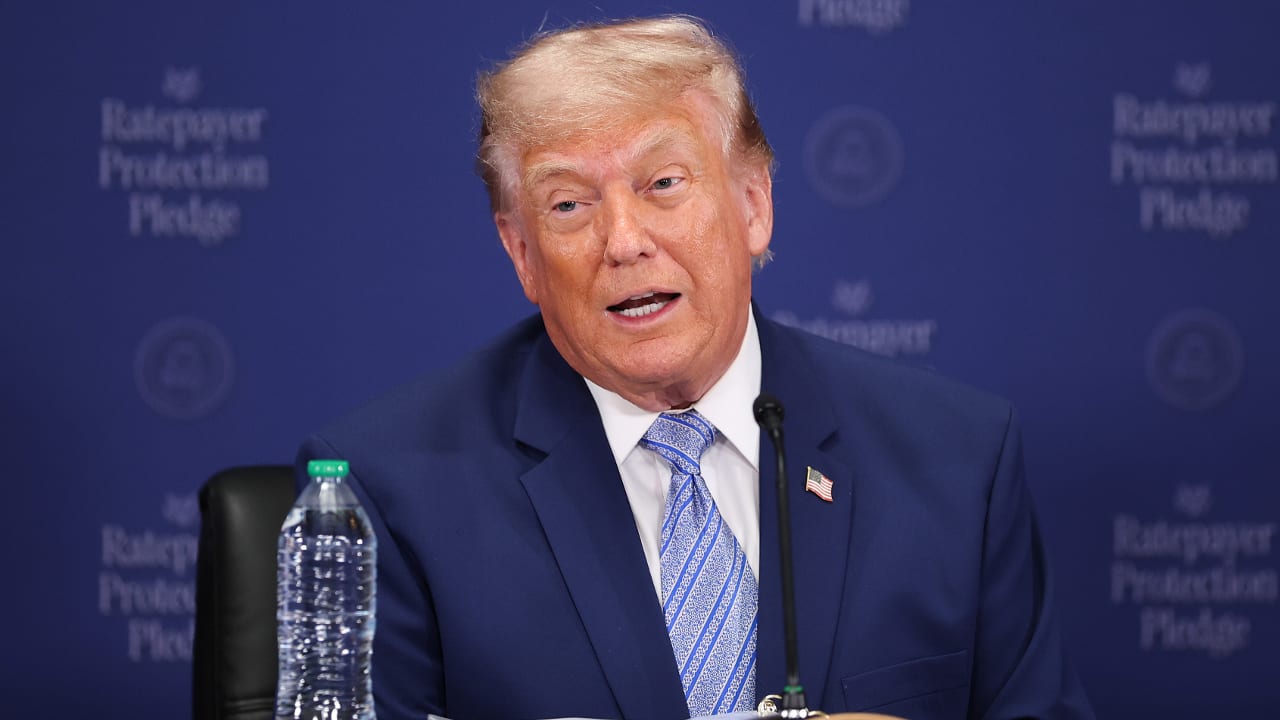
NPR reports that President Trump has called off planned military strikes on Iran amid talk of a potential deal, even as acting Attorney General Todd Blanche moves to rescind a key anti-weaponization fund ahead of his confirmation hearing. The twin developments, reported Monday, tie U.S. war planning directly to a fast-shifting legal and political fight in Washington.
With Iran tensions high and Trump’s own legal and political exposure under scrutiny, Blanche’s decision on the anti-weaponization fund signals a sharp turn in how this administration approaches tools meant to curb the spread or use of weapons, just as the president recalibrates how hard to lean on military force.
Key facts
- Source
- npr.org
- Reported
- August 3, 2026
- Desk
- general
- Follow the story
- Spinn Radio Talk
What we know about Trump calling off planned Iran strikes
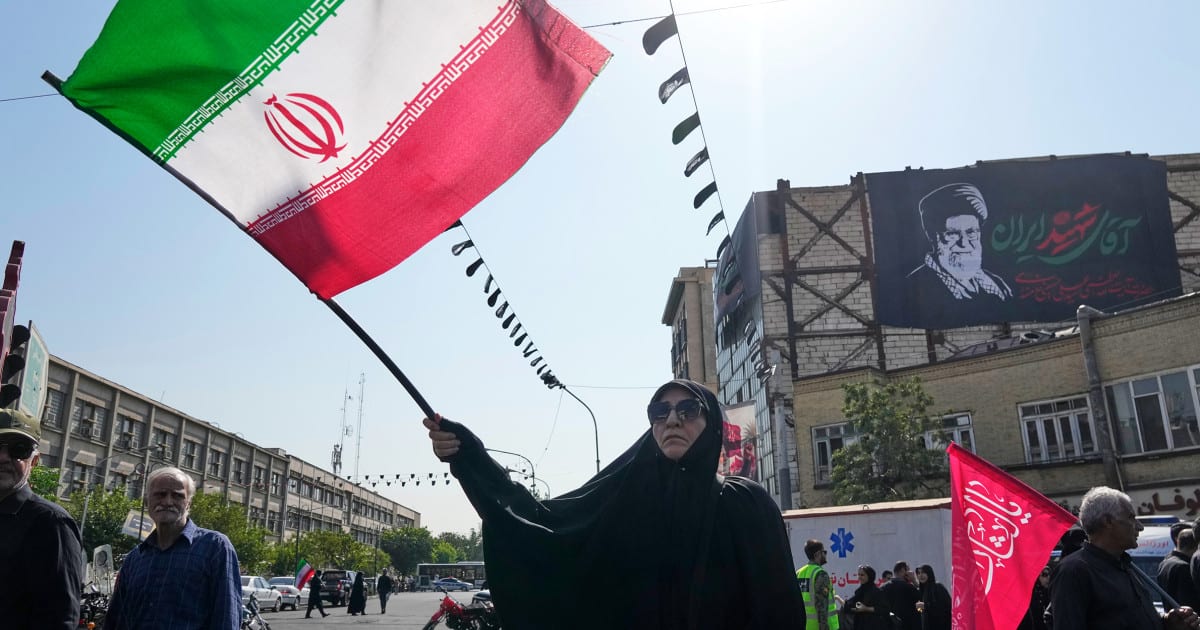
According to NPR’s latest reporting, President Trump decided to call off U.S. strikes on Iran over what is described as a potential deal. That phrase, and the timing, suggest the White House is weighing diplomatic options against the risks of another open conflict involving Iran. The clear takeaway: strikes were far enough along to be called "off, " not merely floated, which means the military and diplomatic machinery had already started to move.
The fact that the president reversed course highlights how fluid the situation is. A potential deal, even undefined, becomes the hinge between war planning and restraint. For listeners and readers trying to track whether the U.S. is edging toward a broader Iran war, the headline fact is that an attack was on the table, then pulled back, explicitly in the context of negotiations.
“An attack on Iran was far enough along that it had to be called off, not just talked down.”
Todd Blanche’s move to rescind Trump’s anti-weaponization fund
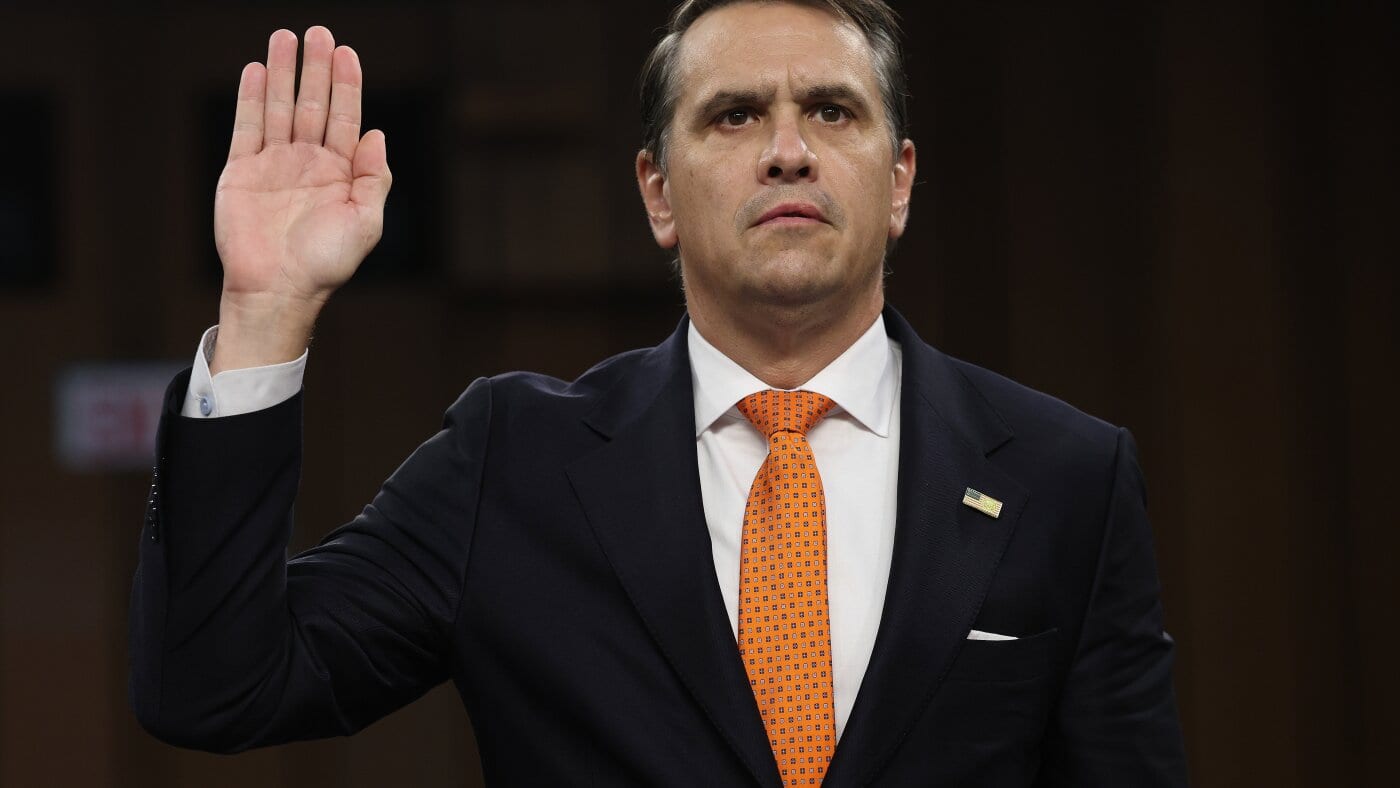
NPR reports that acting Attorney General Todd Blanche has rescinded President Trump’s anti-weaponization fund in the run-up to his own confirmation hearing. That means a Justice Department official who has not yet been confirmed by the Senate is taking the initiative to unwind a fund originally set up under Trump himself, and doing it at a moment when security issues are front-page news.
The anti-weaponization fund, as described, was tied to efforts to counter weaponization, a broad category that can span everything from domestic law enforcement tools to international security programs. Blanche’s decision to pull that funding mechanism back before senators question him is a concrete move, not a rhetorical signal. It raises the stakes of his confirmation hearing, since lawmakers now have a specific action to probe: why he scrapped a tool branded as “anti-weaponization” while tensions with Iran are again in focus.
“Blanche is not waiting for confirmation to redraw the lines on Trump’s own anti-weaponization agenda.”
Spinn Radio
Follow live news on Spinn Radio
How the Iran decision and the anti-weaponization fund intersect
The timing is the story. On the same news day NPR links Trump’s decision to cancel Iran strikes to talk of a potential deal, it also reports Blanche rolling back an anti-weaponization fund that had been identified with Trump’s agenda. One decision is about whether to use military power abroad, the other about how to finance tools meant to constrain weaponization at home or overseas. Together, they sketch a White House recalibrating both hard power and the legal architecture around it.
For observers trying to understand what is at stake, the key intersection is this: a commander in chief stepping away from immediate use of force, and an acting attorney general stepping away from a fund whose very name signals concern about weapons. It suggests that the administration is reshaping not just tactics, like a single strike package on Iran, but also the underlying policy levers that control how the United States responds to threats.
“Policy is shifting at two speeds at once: from the war room and from the Justice Department’s budget lines.”
Why Todd Blanche’s confirmation hearing now matters more
Because Blanche acted ahead of his confirmation hearing, lawmakers will now question not an abstract nominee but an acting attorney general who has already undone a Trump-era anti-weaponization fund. NPR’s report puts that move squarely on the agenda for senators who want to know how he views the balance between security powers and safeguards against abuse or escalation.
The hearing will be an early test of how much support there is in Congress for dismantling tools that were originally tied to Trump’s own anti-weaponization messaging. It will also be a forum for pressing Blanche on how his fund decision fits into a moment when the president is weighing war and diplomacy with Iran. The concrete detail to watch: whether senators from either party signal they want the anti-weaponization fund, or something like it, restored.
“Blanche’s fund rollback guarantees that his confirmation hearing will be about actions already taken, not just promises about the future.”
What to watch next as Trump, Iran and DOJ decisions collide
From here, the biggest questions are whether the potential deal that prompted Trump to halt strikes on Iran solidifies, and whether Blanche’s rescission of the anti-weaponization fund survives political scrutiny. Every step, from new statements out of the White House to the tone of Blanche’s answers under oath, will signal how far this administration wants to go in rewriting its own security playbook.
For ongoing coverage, it will be crucial to see if new financial or legal tools replace the anti-weaponization fund, and if the prospect of an Iran war recedes or reappears in official language. Listeners who want to track those shifts in real time can follow live news and talk on Spinn Radio, where developments like these shape the hour-to-hour conversation about law, war and presidential power.
“Whether the Iran deal talk holds and the anti-weaponization fund stays dead will define the next phase of Trump’s security politics.”
Good to know
Frequently asked questions
What did Trump do about planned strikes on Iran?
Trump called off planned U.S. strikes on Iran, according to NPR, after a potential deal emerged, signaling a shift from immediate military action to negotiation.
Who is Todd Blanche and what fund did he rescind?
Todd Blanche is the acting attorney general who, NPR reports, rescinded President Trump’s anti-weaponization fund ahead of his confirmation hearing.
Why is the anti-weaponization fund decision significant?
Scrapping the anti-weaponization fund is significant because it rolls back a Trump-branded tool meant to counter weaponization at a moment of heightened security tension.
What should we watch for next in this Iran and DOJ story?
The next key steps are whether the Iran deal solidifies and whether Todd Blanche’s move against the anti-weaponization fund withstands scrutiny in his confirmation hearing.
Explore more on Spinn Radio: Follow live news and talk on Spinn Radio
Sources