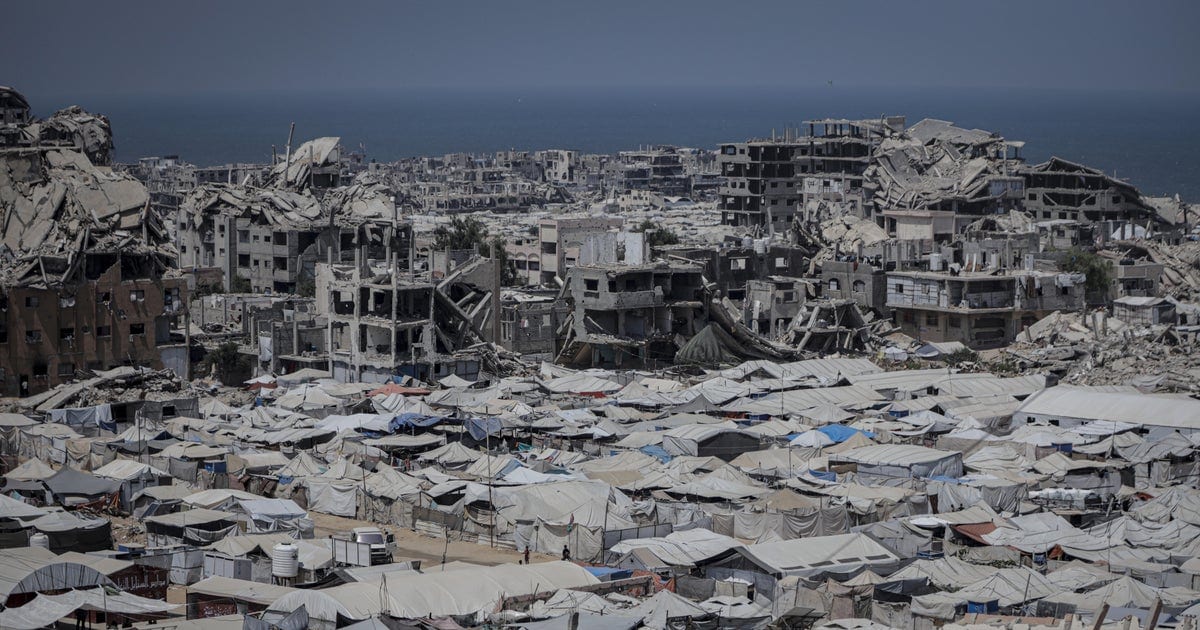
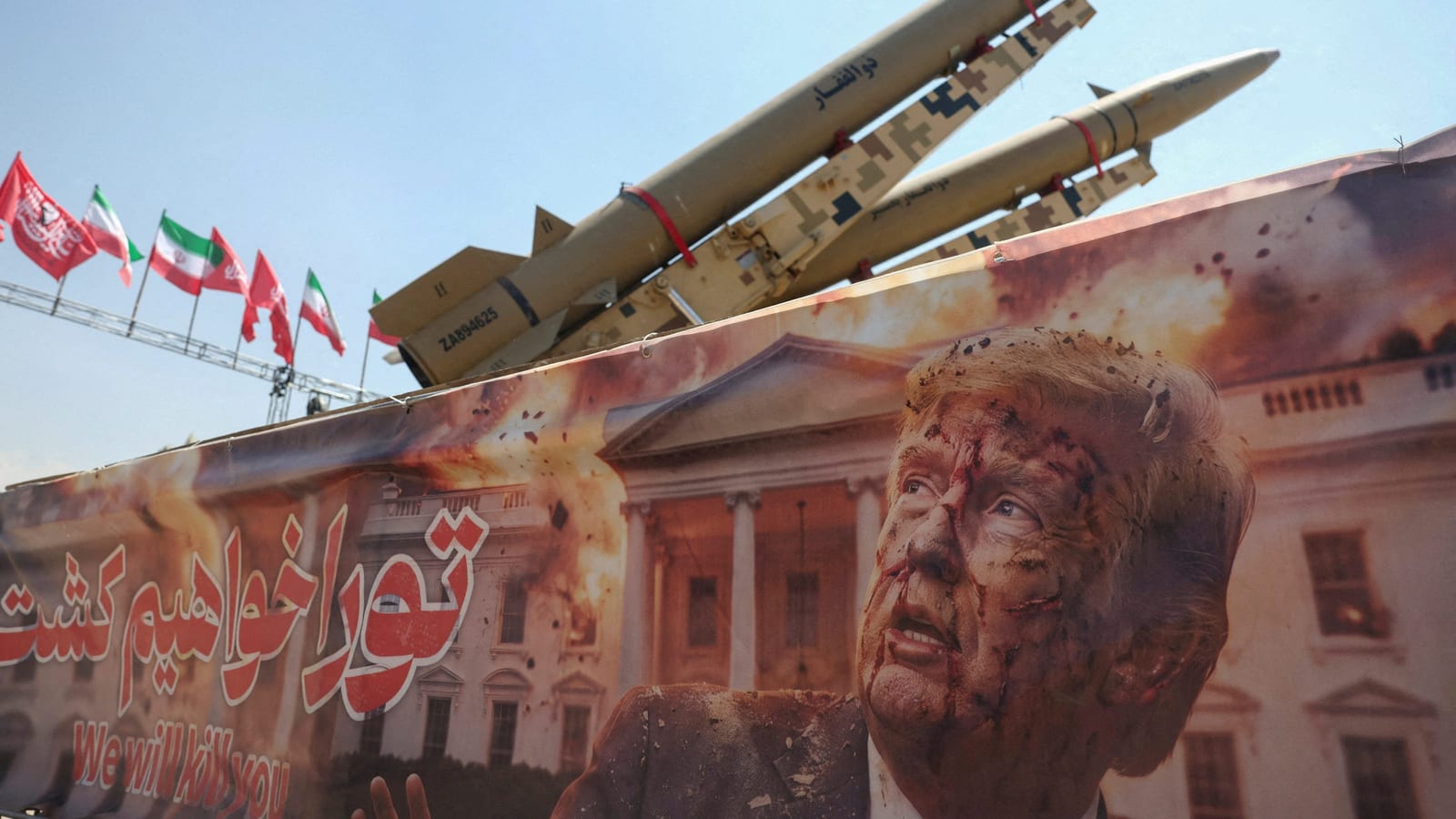
Donald Trump is summoning his cabinet to Camp David to confront a war with Iran that is dragging on and rippling into US domestic politics, The Guardian reported on Friday. The protracted conflict has already pushed up gasoline prices, sharpening voter anxiety ahead of vital midterm elections.
The Camp David session signals how urgently the White House is searching for a path to de‑escalation or at least a more sustainable strategy, as the costs of the war begin to collide with Trump’s political fortunes at home.
Key facts
- Source
- The Guardian
- Reported
- July 31, 2026
- Desk
- general
- Follow the story
- Spinn Radio Talk
Why Trump is taking the Iran war talks to Camp David now
According to The Guardian, Trump is turning to a full cabinet meeting at the presidential retreat just as the war with Iran shows no clear endgame. The timing is driven by a blunt political and economic reality: a grinding Middle East conflict is now feeding directly into higher gasoline prices for US drivers. That link between foreign policy and pain at the pump is shaping how the White House sets priorities.
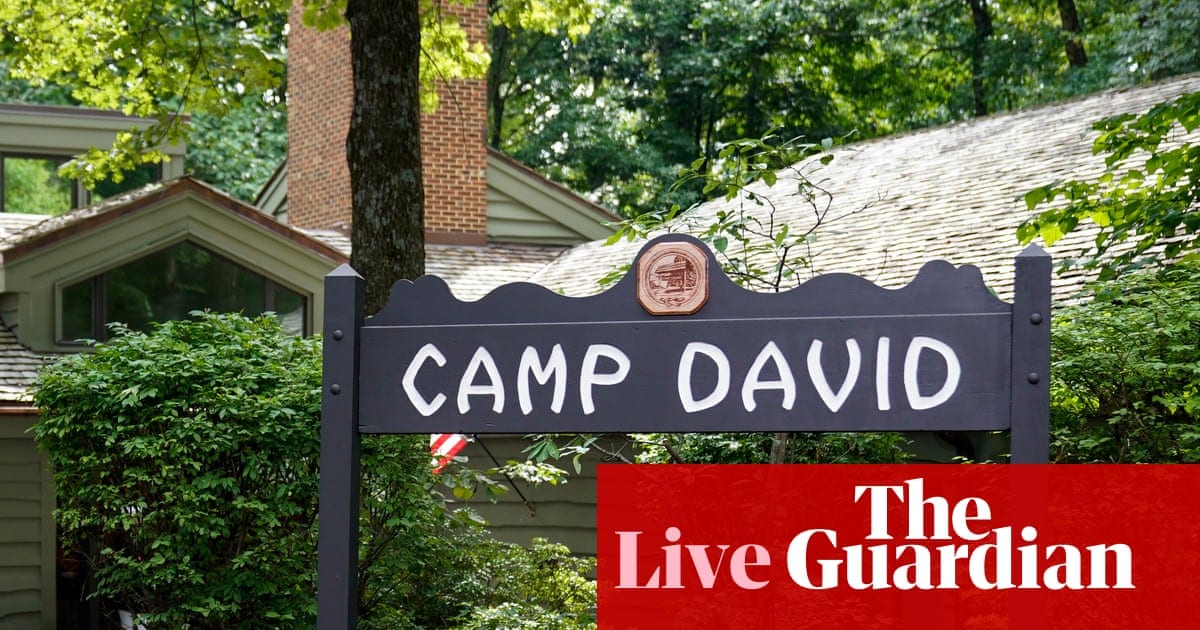
Camp David has often been used by presidents who want intensive strategy sessions away from Washington’s daily churn. By moving Iran war deliberations there, Trump is signaling to his own cabinet that the conflict is now a central test of his presidency and his party’s prospects in the upcoming midterms. The meeting is expected to be less about day‑to‑day battlefield updates and more about how to adjust broader strategy as costs mount.
The immediate takeaway is simple: a war that began as a foreign policy confrontation is now a core domestic political problem, and Camp David is where Trump hopes to align his team around a way forward.
“A foreign war that once sat at the edge of US politics is now shaping what voters pay at the pump and how they may vote in November.”
How rising gasoline prices raise the stakes for the midterms
The Guardian’s reporting highlights one key consequence of the Iran war: higher gasoline prices across the United States. For many voters, that is the most tangible sign of a distant conflict. Every increase at the pump risks turning frustration about foreign policy into anger directed at the president and his party as they head into crucial midterm elections.
Midterms often hinge on how voters feel about the economy, and fuel costs are among the most visible daily prices Americans encounter. As the war drags on, Trump faces the political hazard of being seen as unable to shield households from the conflict’s fallout. That perception could energize opposition campaigns and dampen turnout among his own supporters who expected more control over economic knock‑on effects.
The core political calculation emerging from this moment is that any credible path to easing gasoline prices, or at least explaining them, will be central to the message Trump carries into the midterm season.
“For many Americans, the Iran war now shows up not on a map of the Gulf, but on the digital readout at the gas pump.”
Spinn Radio
Follow live news on Spinn Radio
What a Camp David cabinet meeting could decide on Iran
A full cabinet session at Camp David suggests the White House is weighing more than military tactics. The Guardian frames Trump as “grappling” with how to find a resolution to the conflict, which points to a menu of options that could stretch from intensified diplomacy to changes in the pace or scale of US involvement. Each course carries different risks abroad and at home.
Cabinet‑level discussions are likely to touch on how long the current approach can be sustained if economic spillovers keep widening. The administration must consider alliances, energy markets, and domestic political support as a linked set of problems rather than separate tracks. That is part of why such sessions are typically held in a retreat setting, where senior officials can look beyond the next news cycle.
What to watch from this meeting is any sign of a pivot: new language about timelines, a fresh emphasis on negotiations, or a sharper argument to voters about why the current path is worth the economic strain.
“The question hanging over Camp David is not just how to fight the war, but how long the public will tolerate its costs.”
How the Iran war is reshaping Trump’s political message
With midterm elections described as vital, Trump’s handling of the Iran war is becoming inseparable from his broader political narrative. The Guardian’s report underscores that he is under pressure to show he can both prosecute a conflict and protect Americans from its economic side effects. That balancing act will likely define his pitch to candidates in competitive races who need a clear story to tell anxious voters.
Republican strategists will be watching whether the White House reframes the conflict as a necessary stand that justifies short‑term economic pain, or whether Trump leans harder into promising relief at the pump. Either way, the Iran war now sits near the top of talking points about security, leadership, and the cost of living. It is no longer background noise in the US political debate.
For voters, the most immediate signal of any shift will not be classified briefings from Camp David, but how Trump and his allies talk about the war and gasoline prices on the campaign trail once the meeting ends.
“The Iran conflict has migrated from foreign‑policy briefings to campaign stump speeches, where its price tag is measured in dollars per gallon.”
Where to follow the next moves in Trump’s Iran strategy
The Guardian’s latest headline marks a new phase of the story: a president confronting a drawn‑out war, a fragile economy, and elections that could reset his mandate. What happens at Camp David will shape how Washington talks about Iran, energy, and domestic hardship for months to come, even if the public details emerge only in fragments.
For now, the key signposts will be future briefings from the White House, shifts in political messaging around gasoline prices, and any hint that the administration is searching more aggressively for an off‑ramp from the conflict. As those strands develop, the stakes for both foreign policy and the midterms will only grow.
You can track the fallout and listen to real‑time reactions and analysis on Follow live news and talk on Spinn Radio, where Spinn Radio Talk will keep unpacking how decisions made at Camp David ripple through US politics and daily life.
“Camp David is only the starting point; the real test will come as its decisions collide with voters’ wallets and choices at the ballot box.”
Good to know
Frequently asked questions
Why is Trump holding a cabinet meeting at Camp David?
Trump is holding a cabinet meeting at Camp David to address the ongoing war with Iran as it drags on and creates mounting political and economic pressure at home. The Guardian reports that he is grappling with how to find a resolution to the conflict.
How is the Iran war affecting gasoline prices in the US?
The Iran war is contributing to higher gasoline prices in the United States, according to The Guardian’s reporting. Those increases are turning a distant conflict into a daily economic issue for American drivers.
What do the midterm elections have to do with the Iran conflict?
The midterm elections are vital for Trump, and the Iran conflict is now a major factor because it is pushing up gasoline prices for voters. That link raises the stakes for how the White House manages both the war and its economic fallout.
What should we watch for after the Camp David talks?
After the Camp David talks, watch for any change in the administration’s language on timelines, negotiations, or economic relief related to the Iran war. Those signals will reveal whether Trump is seeking a new strategy or reinforcing the current one.
Explore more on Spinn Radio: Follow live news and talk on Spinn Radio
Sources