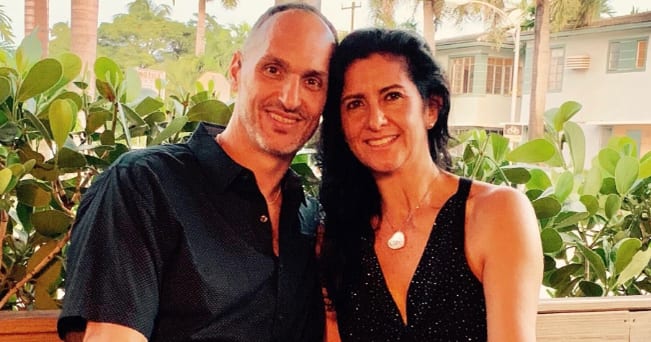
CBS News is reporting that one year after a massive stroke left him partially paralyzed, Todd Meiklejohn is now publicly describing how his recovery unfolded and the role his wife played in what he calls a “miracle” turnaround. The story, reported on August 8, 2026, has quickly become a touchpoint for families looking for hope and practical insight after severe neurological crises.
Details from CBS News remain limited, but the core facts are striking: Meiklejohn was nearly incapacitated by a massive stroke, yet within a year he was strong enough to look back and talk about the experience. At the center of that arc is his wife, whose response in the aftermath is being highlighted as a decisive factor in his recovery.
Key facts
- Source
- CBS News
- Reported
- August 8, 2026
- Desk
- general
- Follow the story
- Spinn Radio Talk
What CBS News is reporting about Todd Meiklejohn now
According to CBS News, the focus of the latest report is that Todd Meiklejohn is opening up publicly one year after suffering a massive stroke that nearly incapacitated him. The outlet describes him as having been left partially paralyzed, a level of impairment that often reshapes every aspect of daily life, from basic mobility to communication and work.
The newsliness here is timing. The report was filed on August 8, 2026, placing viewers and readers almost exactly a year out from the medical emergency. That one‑year marker matters in stroke care, since it is a common benchmark for assessing long‑term outcomes and the effectiveness of rehabilitation. Meiklejohn reaching that point and choosing now to speak about it is itself a measure of progress.
What CBS News is underscoring is that the story is not only about the initial trauma, but about what followed at home: the decisions, advocacy and day‑to‑day response from his wife that he and those around him view as central to his unexpectedly strong recovery.
“The news peg is simple and powerful: a man nearly incapacitated by a massive stroke is, one year later, well enough to look back and explain how he got here.”
How a spouse’s response can reshape stroke recovery
While CBS News has not yet detailed each step of Meiklejohn’s rehabilitation, its framing makes one thing clear: his wife’s response in the hours, days and months after the stroke is being linked directly to what he describes as a “miracle” recovery. For many stroke survivors, that response can include everything from recognizing symptoms quickly, to pushing for aggressive rehab, to providing consistent support at home.
In Meiklejohn’s case, the description of him as nearly incapacitated and partially paralyzed highlights how steep the climb was. Families in similar situations typically face choices about therapy intensity, home care, and how to adapt daily routines to new physical limits. When the spouse is fully engaged, as CBS News suggests Meiklejohn’s wife was, it can change what is possible within that first critical year.
The concrete takeaway for readers is that this story is not framed as a sudden, unexplained turnaround. It is framed as a recovery where a spouse’s commitment and practical decisions, over time, helped transform a devastating diagnosis into a far better outcome than many observers might have expected.
“This is a story not only about a catastrophic stroke, but about how one spouse’s choices helped bend the recovery curve.”
Spinn Radio
Follow live news on Spinn Radio
Why Todd Meiklejohn’s “miracle” matters to other stroke families
By spotlighting Meiklejohn’s account now, CBS News is tapping into a broader audience of patients and relatives searching for guidance after sudden paralysis or major neurological injury. A massive stroke that leaves someone partially paralyzed is often described as life‑splitting: there is a clear “before” and “after.” Stories like this one can help define what that “after” looks like when recovery goes better than expected.
The word “miracle” in this context functions less as a clinical term and more as shorthand for an outcome that exceeds what people around Meiklejohn feared in the early days. For families facing similar diagnoses, the implication is that active engagement, especially from a primary caregiver, can make a meaningful difference, even when medical professionals have to be cautious about predicting results.
For Spinn Radio listeners and readers following health and human interest news, Meiklejohn’s case offers a specific, memorable example: a man nearly incapacitated by stroke, then strong enough one year later to re-enter the public conversation about what long‑term recovery can look like.
“For families confronting sudden paralysis, Todd Meiklejohn’s year‑on story is a concrete example that better‑than‑expected outcomes are possible.”
What we still do not know about Todd Meiklejohn’s stroke story
The CBS News report leaves important questions unanswered, which is part of why this remains a developing story. The severity of the stroke is clear from the description “massive, ” but the segment has not disclosed the exact medical details, the specific rehabilitation program Meiklejohn followed, or the day‑by‑day choices his wife made that he now credits as pivotal.
We also do not yet know the current extent of his abilities. The report notes that he was originally left partially paralyzed and nearly incapacitated, then refers to a “miracle” recovery, but it does not define in medical terms how much function he has regained. There is also no timeline yet for whether he will continue to share more about his experience, through interviews or other public forums.
Those gaps matter because they frame what viewers should expect from follow‑up coverage. As more details emerge, they could offer practical insight for other caregivers facing similar diagnoses. For now, the story stands as a powerful outline rather than a complete playbook, with Meiklejohn, his wife, and their first year after stroke at the center.
“This remains a sketch rather than a manual: we know the stroke was massive, the paralysis was real, and the recovery surpassed expectations, but not much beyond that.”
How to follow updates on Todd Meiklejohn and similar stories
CBS News has provided the core facts that place Todd Meiklejohn’s experience in the public eye, and its August 8 report is likely not the last word. As the couple shares more, broadcasters and talk shows may explore the practical side of what his wife actually did, from immediate crisis response to long‑term support, and how that shaped the outcome.
For listeners who want to keep track of this developing human‑interest and health story, Spinn Radio is flagging it on its talk and news programming. You can follow ongoing discussion and related coverage through Follow live news and talk on Spinn Radio, where Meiklejohn’s case sits alongside other real‑time reporting on medical breakthroughs, survivor stories and caregiving challenges.
The key takeaway is straightforward: this is an early chapter, not a final account. Meiklejohn’s decision to speak one year after his stroke opens the door to deeper reporting on what worked for him and his wife, and why some recoveries defy the bleak expectations that often surround massive strokes.
“This is an early chapter, not a final account, and Meiklejohn’s willingness to speak now invites closer attention to what comes next.”
Good to know
Frequently asked questions
Who is Todd Meiklejohn in the CBS stroke story?
Todd Meiklejohn is the stroke survivor CBS News is profiling, a man who was nearly incapacitated and left partially paralyzed by a massive stroke about a year ago.
What happened to the man described as having a “miracle” recovery?
The man experienced a massive stroke that left him partially paralyzed, then reported what he calls a “miracle” recovery over the following year, with his wife’s response highlighted as crucial.
Why is his wife’s response being emphasized in coverage?
His wife’s response is emphasized because CBS News links her actions after the stroke to the strength of his recovery, framing her support as a decisive factor in the outcome.
How can I follow more updates on this stroke recovery story?
You can follow more updates by tracking CBS News coverage and listening to Spinn Radio’s talk and news programming, including the live feeds highlighted on its talk channel.
Explore more on Spinn Radio: Follow live news and talk on Spinn Radio
Sources