At least three people have died in Kentucky after flash floods triggered by heavy rain and multiple thunderstorms, NBC News reported on Saturday, with rescue operations still underway and officials warning the death toll is likely to climb.
Local and state agencies are combing flooded communities for missing residents as more information comes in from hard‑hit areas, turning what began as a fast‑moving weather event into a widening search and recovery effort.
Key facts
- Source
- NBC News
- Reported
- June 27, 2026
- Desk
- general
- Follow the story
- Spinn Radio Talk
What NBC News is reporting about the Kentucky flash floods
NBC News reports that at least three people have been killed after flash floods swept across parts of Kentucky, following rounds of heavy rain and multiple thunderstorms. Officials say they expect additional fatalities to be confirmed, a sign that emergency crews are still uncovering the scale of the damage and loss of life.
Flash flooding hits fast, often leaving residents with little time to move to higher ground once storms stall or training thunderstorms repeatedly hit the same area. The combination of "heavy rain" and "multiple thunderstorms, " as described in the NBC News account, points to a weather pattern capable of quickly overwhelming streams, creeks, and drainage systems.
The key detail right now is that the number of confirmed deaths is a floor, not a final count. As water levels recede and rescue teams reach isolated homes and roads, officials anticipate more victims will be identified.
“The current death toll is a floor, not a final count, as rescuers work into receding waters.”
Why these Kentucky flash floods turned deadly so quickly
Flash floods are especially dangerous in states like Kentucky, where steep terrain, narrow valleys, and tightly packed communities can funnel water into torrents with little warning. When storms repeatedly dump heavy rain over the same region, small creeks can swell in minutes and low‑lying neighborhoods can become cut off before emergency alerts reach everyone.
According to NBC News, multiple thunderstorms contributed to the current disaster. That pattern often means saturated ground and swelling waterways long before the most intense flooding is visible. Residents may underestimate the risk until roads are already submerged and escape routes are blocked.
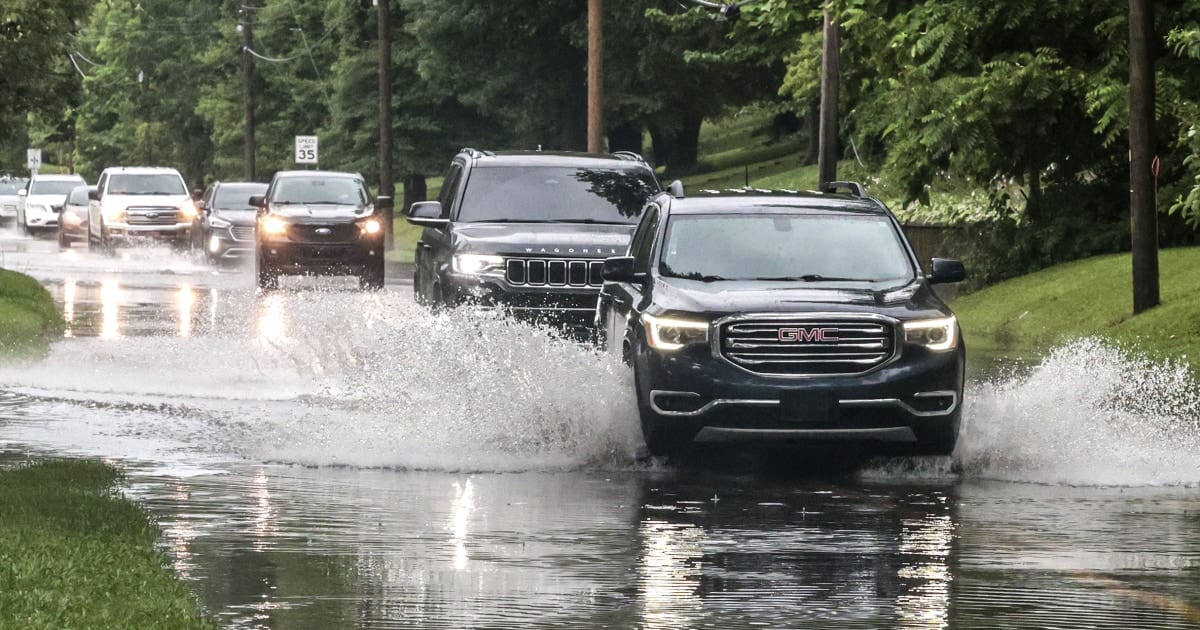
The early reports of at least three deaths underscore how unforgiving these conditions can be. In fast‑rising water, even a single blocked road or an underpass can become a lethal trap, which is why officials are often quick to urge people not to drive across flooded streets during events like this.
Spinn Radio
Follow live news on Spinn Radio
How rescue operations are unfolding in flooded Kentucky communities
With rescue operations described as ongoing, officials in Kentucky are still in emergency mode rather than in a full recovery phase. That distinction matters. Ongoing rescues suggest that some residents are still stranded in homes, vehicles, or cut‑off neighborhoods as crews work from multiple access points to reach them.
Search and rescue in flash flood conditions typically involves local fire departments, law enforcement, and regional emergency management teams using boats, high‑water vehicles, and sometimes air support where terrain permits. Each new contact with a flooded home or neighborhood can bring both survivors and fresh reports of missing people, which in turn shapes officials' expectation that the death toll will rise.
For now, the confirmed fatalities provide only a partial picture. The priority remains getting residents out of immediate danger and stabilizing anyone with injuries or medical needs, even as authorities begin to map which communities have been hit hardest.
“Every rescue contact can bring both survivors and new reports of the missing.”
What is at stake for Kentucky residents as water recedes
Even after the heaviest rain ends, flash flooding leaves a long tail of risk. Power outages, damaged roads, and contaminated water can complicate life for survivors for days or weeks, especially in rural areas. The current report from NBC News hints at this longer arc, since officials are still working to confirm basic information like the number of victims.
For families in the affected areas, the immediate stakes are safety and accountability: Are loved ones reachable, and have officials checked on everyone in isolated homes? For local governments, the focus turns quickly to inspecting bridges and roadways, clearing debris, and restoring essential services once waters drop enough for crews to move in.
As the flood zones become accessible, more detailed assessments of property damage and infrastructure impacts will follow. That process, which often takes much longer than the storm itself, will shape how quickly communities in Kentucky can begin to rebuild routines after this sudden disaster.
What to watch next in the Kentucky flash flood response
The central question over the next day and beyond is how significantly the confirmed death toll will rise from the three victims already reported. NBC News notes that officials expect more fatalities, which means numbers are likely to change as search teams complete sweeps of flooded neighborhoods and as missing‑person reports are reconciled.
Another key development to watch is how long rescue operations remain classified as active. As long as agencies describe their work as rescue, there is still a chance to reach stranded residents in time. Once the language shifts decisively to recovery, the story becomes less about immediate survival and more about identifying victims and tallying long‑term damage.
For ongoing updates, listeners can Follow live news and talk on Spinn Radio, where this Kentucky flooding emergency will remain a focus as new information emerges from officials and on‑the‑ground responders.
“As long as officials say they are in rescue mode, there is still a chance to reach people in time.”
Good to know
Frequently asked questions
What happened in the latest Kentucky flash floods?
At least three people were killed in Kentucky after flash floods triggered by heavy rain and multiple thunderstorms. Officials are still assessing the full extent of the disaster.
How many people have died in the Kentucky flooding so far?
Officials have confirmed at least three deaths linked to the flash floods. They expect the number of fatalities to rise as rescue teams reach more affected areas.
Why are officials expecting more flood fatalities in Kentucky?
Authorities anticipate more deaths because rescue operations are ongoing and some communities remain hard to reach. As waters recede, more victims may be found.
Where can I follow updates on the Kentucky flash flood response?
You can follow updates on the Kentucky flooding through NBC News reports and by listening to live coverage on Spinn Radio, which is tracking the developing story.
Explore more on Spinn Radio: Follow live news and talk on Spinn Radio
Sources