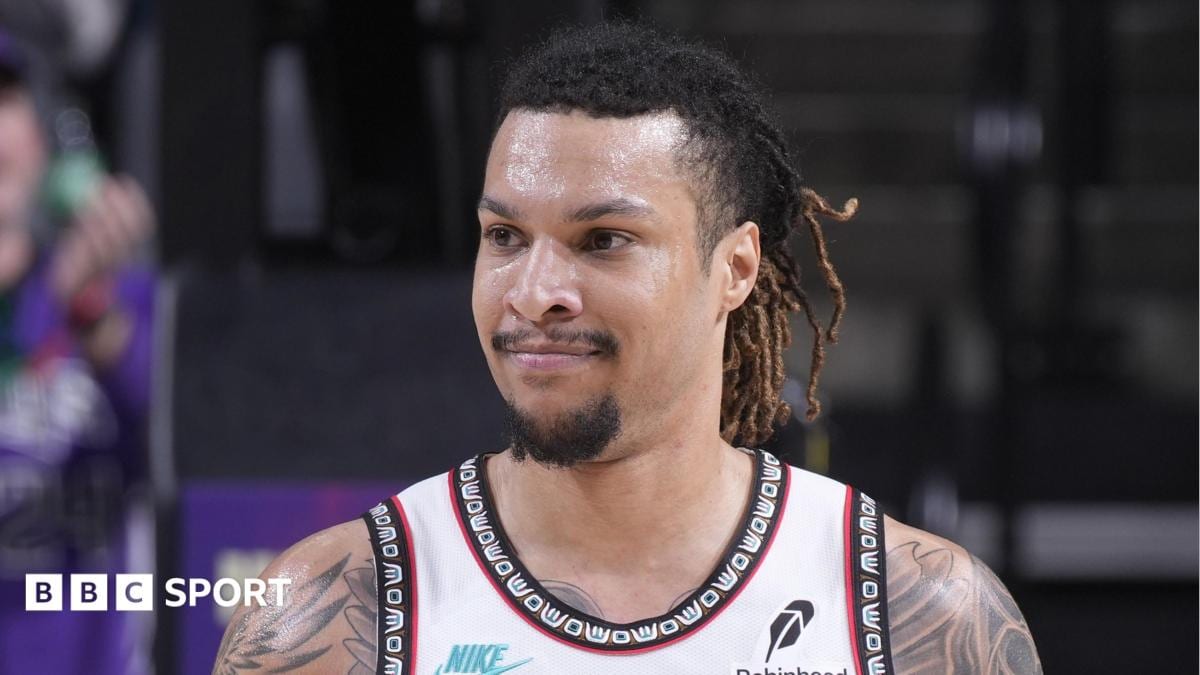
Brandon Clarke, a forward for the Memphis Grizzlies, died as a result of the effects of heroin and cocaine, according to a Los Angeles medical authority cited by the BBC. The ruling, reported by the outlet on 8 August 2026, shifts the focus of the case squarely onto drug use and its consequences for a current NBA player.
The findings raise urgent questions for the Grizzlies, the league and fans who woke up to the news that a player’s death has been officially tied to heroin and cocaine, rather than to natural or accidental causes unrelated to substance use.
Key facts
- Source
- BBC
- Reported
- August 8, 2026
- Desk
- general
- Follow the story
- Spinn Radio Talk
What BBC reporting says about Brandon Clarke’s cause of death
The BBC reports that a Los Angeles medical authority has determined Memphis Grizzlies forward Brandon Clarke died due to the effects of heroin and cocaine. That conclusion identifies drug use as the central factor in his death and rules out any alternative cause in the public record so far.
Because the finding comes from a medical authority in Los Angeles, it also places the key investigation in that jurisdiction, even though Clarke’s professional identity is tied to Memphis and the NBA. For fans and observers trying to understand what happened, the core confirmed detail is that heroin and cocaine were involved and medically judged to be the cause of death, not simply incidental substances.
With the BBC as the first named outlet to report the medical ruling, subsequent coverage across sports and news media will likely lean on that initial confirmation as the reference point for what is known about how Clarke died.
“The only confirmed detail so far is stark: a Los Angeles medical authority ruled that heroin and cocaine caused Brandon Clarke’s death.”
Why Brandon Clarke’s death matters for the Memphis Grizzlies and the NBA
Clarke’s death matters immediately for the Memphis Grizzlies because it removes an active forward from their roster and forces the franchise to confront the circumstances publicly tied to his loss. Any NBA team losing a player to drug-related causes faces scrutiny over what support systems exist, what warning signs might have been missed, and how teammates and coaches are supported afterward.
For the league more broadly, an official finding that heroin and cocaine caused the death of a current player cuts through the usual guarded language around “off-court issues.” It highlights the reality that hard drugs, not only performance-enhancing substances or recreational use framed as incidental, remain a present risk in elite sport. Even without further public detail, the combination of an NBA player, a Los Angeles medical ruling and the specific mention of heroin and cocaine will likely trigger internal reviews and renewed attention to education and intervention programs.
Fans who knew Clarke primarily on the court now have to process that his story is being publicly concluded in the language of toxicology rather than box scores or highlight reels. That shift is why this ruling resonates beyond one team and one season.
Spinn Radio
Follow live news on Spinn Radio
What is known about the investigation in Los Angeles
The only firm procedural detail made public so far is that a Los Angeles medical authority examined Clarke’s death and attributed it to the effects of heroin and cocaine. That places the key findings within the medical and investigative framework of that city, not Memphis or another jurisdiction, although the reporting does not specify where he died or which exact office handled the case.
Medical authorities typically become central to such cases because their determinations influence whether law enforcement treats a death as a matter of criminal investigation, public health concern, or both. Here, the explicit mention of heroin and cocaine signals that toxicology played a decisive role in classifying the cause of death. What has not been made public in this reporting is any timeline of events, whether other individuals were involved, or whether additional inquiries are ongoing.
Until further information is released, the Los Angeles ruling itself remains the clearest known milestone. Future updates are likely to build on that foundation, either by confirming that the case is effectively closed from an investigative standpoint or by outlining additional steps prompted by the findings.
How Clarke’s death fits into wider concerns about drug use in elite sport
Although this case centers on one NBA forward, a medical ruling that cites heroin and cocaine inevitably feeds into a wider discussion about drug use around professional athletes. Even with very limited public detail, the presence of those particular substances evokes questions about access, stress, mental health, and the pressures that exist around a high-profile sports career.
Leagues routinely invest in testing, education and counseling programs, but a confirmed drug-related death exposes the limits of what any formal system can guarantee. When a player’s cause of death is linked directly to heroin and cocaine, it suggests that risks can exist beyond the reach of team facilities or official structures, and that personal circumstances may unfold largely out of public view.
For fans, the case is a reminder that the story of an athlete does not end with a contract line or a stat sheet. Even without more granular reporting, the one hard fact now on record leads to uncomfortable questions that teams, unions and leagues will be expected to address in the weeks ahead.
“A toxicology finding involving heroin and cocaine turns one player’s tragedy into a broader test of how sport confronts hard drug use.”
Where to follow ongoing coverage of Brandon Clarke’s death
Because the report is recent, details remain sparse beyond what the BBC has relayed about the Los Angeles medical authority’s conclusion. More information about official reactions from the Memphis Grizzlies, the NBA, and any further developments around the investigation may emerge in the coming days.
For listeners and readers wanting real-time conversation as the story evolves, ongoing updates and discussion are available on Spinn Radio’s live talk programming. You can Follow live news and talk on Spinn Radio to hear how fans, analysts and hosts are processing the news and to stay informed as new reporting comes in.
As with any developing story involving a sudden death, especially one linked to drug use, early information can be fragmentary. Checking back with trusted outlets and live coverage platforms will be key to separating confirmed facts from speculation.
Good to know
Frequently asked questions
What caused Brandon Clarke’s death?
Brandon Clarke’s death was caused by the effects of heroin and cocaine, according to a Los Angeles medical authority cited by the BBC. That ruling makes drug use the central confirmed factor in his case.
Who reported the findings on the Memphis forward’s death?
The BBC reported that a Los Angeles medical authority ruled Brandon Clarke died due to the effects of heroin and cocaine. Other coverage is building on that initial report.
Where was the medical ruling on Clarke’s death made?
The medical ruling on Brandon Clarke’s death was made by an authority in Los Angeles. That city’s officials handled the examination that identified heroin and cocaine as the cause.
How can fans follow updates on this Brandon Clarke story?
Fans can follow updates on the story through ongoing news coverage and live talk shows on Spinn Radio. The platform is tracking new developments as they emerge.
Explore more on Spinn Radio: Follow live news and talk on Spinn Radio
Sources