After Michigan Loss, AIPAC Weighs a Second Effort to Defeat El-Sayed, The New York Times reported, setting up a fresh test of how far outside money can shape a high-profile Senate race. The pro-Israel group spent $32 million trying and failing to stop Abdul El-Sayed in the state’s Democratic primary and is now deciding whether to go after him again in the general election.
The deliberations matter beyond Michigan. The fight over El-Sayed’s seat has become a proxy for a broader struggle inside the Democratic Party over Israel policy, primary spending and who gets to define what it means to be a viable candidate in 2026.
Key facts
- Source
- The New York Times
- Reported
- August 5, 2026
- Desk
- general
- Follow the story
- Spinn Radio Talk
Why AIPAC’s $32 million Michigan loss is a political shock
According to The New York Times, a major pro-Israel organization spent $32 million in an unsuccessful effort to defeat Abdul El-Sayed in Michigan’s Democratic Senate primary. That level of spending, focused on a single intraparty contest, underscores how central the race has become for groups trying to shape the party’s stance on Israel and foreign policy more broadly. The result showed that money on its own could not keep El-Sayed from securing the nomination.
El-Sayed’s victory means Democratic primary voters in Michigan were willing to back him despite the barrage of outside spending. For activists on both sides of the Israel debate, the primary has quickly turned into a case study in the limits and possibilities of super PAC money. The key takeaway: a $32 million blitz failed to stop a candidate whom AIPAC and its allies clearly viewed as a top target.
“A $32 million primary blitz failed to stop Abdul El-Sayed, and that alone has reset expectations for 2026.”
Who Abdul El-Sayed is and why his Senate race matters
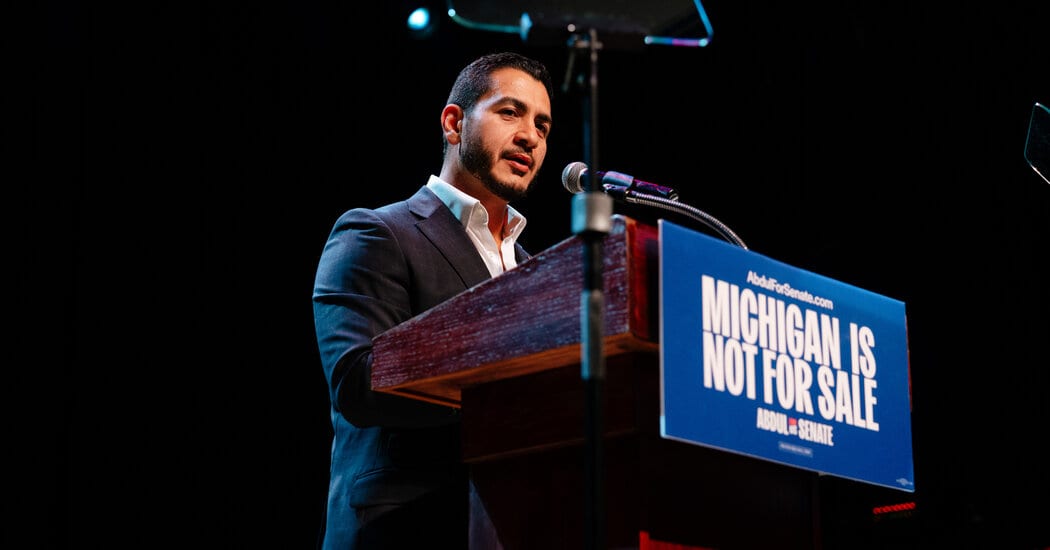
Abdul El-Sayed is now the Democratic nominee for a U.S. Senate seat in Michigan, emerging from a primary in which a pro-Israel group invested tens of millions of dollars to block him. His win puts him a step away from the Senate and deepens national attention on his campaign, since his general election race will decide whether that $32 million defeat for AIPAC was a one-off or the start of a pattern.
What makes El-Sayed central to this story is not only that he survived the spending barrage, but that he now carries his profile into a statewide general election. The New York Times report signals that his candidacy has become a focal point in debates about how Democrats handle intraparty divisions over Israel and how much influence outside organizations should have over who reaches the Senate. Anyone watching the evolving fight over Democratic foreign policy will be tracking what happens to his campaign next.
Spinn Radio
Follow live news on Spinn Radio
Why AIPAC may strike again in Michigan’s general election
The New York Times reports that after losing the primary fight, AIPAC is weighing whether to try again in the general election to defeat El-Sayed. That means the group is considering whether to pour more resources into opposing the newly minted Democratic nominee in a race that will be watched nationally. If it moves ahead, voters could see another wave of ads and outside spending aimed at shaping their view of El-Sayed before November.
The decision is fraught. A second offensive would test whether the group can be more effective with a broader general electorate than it was with primary voters. It would also risk energizing El-Sayed’s supporters, who can point to the primary result as proof that heavy outside spending does not guarantee victory. For political strategists, the central question is whether doubling down in Michigan strengthens AIPAC’s influence or exposes real limits to it.
“A second anti, El-Sayed push in November could either restore AIPAC’s aura of clout or highlight how much it has faded.”
What is at stake for Democrats, donors and Israel policy
The Michigan race is about more than a single Senate seat. The outcome will send a signal to Democratic candidates across the country about how risky it is to cross large, well-funded advocacy groups on Israel policy. If El-Sayed wins after withstanding a $32 million primary effort and potentially another round in the general election, other candidates may conclude that the political cost of diverging from AIPAC is lower than many once assumed.
For donors, the contest will be an important test of return on investment. After such a large outlay in the primary, another attempt to stop El-Sayed would show how determined AIPAC-aligned funders are to set boundaries around acceptable positions on Israel. For grassroots activists who oppose that approach, Michigan could become a model of how organizing and voter engagement can blunt even the most expensive ad campaigns.
What to watch next in the Michigan Senate showdown
The immediate question is whether AIPAC ultimately commits to a second effort against El-Sayed in the general election, as described by The New York Times. Observers will be watching for new ad buys, allied super PAC activity and messaging that signals how the group plans to frame El-Sayed to a broader electorate. Any move to escalate the fight would quickly draw national headlines, given the money already spent.
Voters and listeners who want to track the next steps in real time can follow developing coverage and reaction on Follow live news and talk on Spinn Radio. As Michigan’s race moves from an expensive primary to what could become an even more contentious general election, it is likely to remain one of the clearest tests this cycle of how far outside money can go in reshaping a Senate contest.
“Michigan’s Senate race is now a live experiment in how much outside money can really move voters in 2026.”
Good to know
Frequently asked questions
How much did AIPAC spend trying to stop Abdul El-Sayed?
AIPAC spent $32 million trying to defeat Abdul El-Sayed in Michigan’s Democratic Senate primary. Despite that investment, he won the nomination.
Why is Abdul El-Sayed’s Michigan Senate race drawing national attention?
Abdul El-Sayed’s Michigan Senate race is drawing attention because he won a primary targeted by $32 million in pro-Israel spending. His general election will test how much influence those outside groups still have.
What is AIPAC considering after its Michigan primary defeat?
After its Michigan primary defeat, AIPAC is weighing whether to oppose Abdul El-Sayed again in the general election. The New York Times reports it has not ruled out a second effort.
What does the Michigan result mean for Democratic debates over Israel?
The Michigan result highlights a growing Democratic debate over Israel policy and super PAC spending. El-Sayed’s win despite heavy opposition could reshape how candidates gauge that risk.
Explore more on Spinn Radio: Follow live news and talk on Spinn Radio
Sources