Remembering Nahed Sherif means looking straight at the glamour, contradictions and risks of golden-age Arab cinema. As Egyptian and Lebanese film history gets rediscovered by a new streaming generation, her name keeps resurfacing as shorthand for the bold, bruised heroines of mid‑20th‑century screens.
Searches for Nahed Sherif are rising again because fans want context, not just nostalgia: who was this Egyptian-Lebanese actress, why did her public image stir controversy, and how did an early death turn her into a cult figure across the Arab world? This is a guide for anyone typing her name and wanting the full story, plus where to start watching on Spinn Radio, adjacent film channels and archives.
Key facts
- Editorial brief
- Plan a biographical and career retrospective on Egyptian-Lebanese actress Nahed Sherif, a prominent figure in mid-20th-century Arab cinema. Angle: Treat this as a definitive profile for users who type only her name, expecting to learn who she was, why she matters, and what to watch. Emphasize her status in Egyptian film history, her most notable roles, her public image (including controversy), and her relatively early death. Suggested outline. 1. Introduction - Brief overview of who Nahed Sherif was (Egyptian/Lebanese film actress, era she’s associated with, general screen persona) - Place her in context of the “golden age” of Egyptian cinema and Arab popular culture. 2. Early Life
- Where to listen
- Spinn Radio
Who was Nahed Sherif in golden-age Egyptian and Lebanese cinema
Nahed Sherif was an Egyptian-Lebanese film actress whose career unfolded in what is often called the golden age of Egyptian cinema, the mid‑20th‑century moment when Cairo and Beirut shaped Arab popular culture for the whole region. She moved across Egyptian and Lebanese productions, which helped fix her image as a pan‑Arab star rather than a local personality tied to one city or studio.
Her screen persona leaned into intensity and allure. In a film ecosystem where singers, comedians and melodrama queens all carved out niches, Sherif occupied that charged space of the modern, slightly transgressive heroine. That made her a staple of commercial cinema and a talking point in gossip columns, which amplified her fame well beyond the cinemas and into living rooms across Arabic-speaking countries.
If you are coming to her for the first time, think of Nahed Sherif as part of the same golden‑era universe that produced iconic Egyptian and Lebanese leads in romance, musical and social dramas. She is one of the key faces that defined how love, modernity and scandal looked on Arab screens in that period.
“She became one of the key faces that defined how love, modernity and scandal looked on Arab screens.”
Nahed Sherif’s rise: early life, breakthrough roles and screen persona
Nahed Sherif’s story is inseparable from the way Egyptian cinema functioned in the mid‑20th century, when studios regularly cultivated young actresses into fully fledged stars. Born into a context that bridged Egypt and Lebanon, she navigated two overlapping film industries that shared language and audiences but had different styles and censors. That dual identity sharpened her appeal: Egyptian enough for Cairo, Lebanese enough to feel cosmopolitan and slightly daring.
Her breakthrough came as she began landing central roles in the crowded landscape of commercial film. Those parts positioned her as a young woman wrestling with desire, social pressure and shifting gender expectations, a mix that played perfectly in melodramas and romances of the time. The industry needed actresses who could project both vulnerability and defiance, and Sherif fit that bill, which is why her name rose quickly up the credits.
Watching her early and breakout films today, you can see how she built a persona around intensity rather than restraint. Even when scripts relied on familiar tropes, Sherif’s presence suggested that her characters understood the cost of their choices. That tension between what a woman was supposed to do and what she might actually want became a hallmark of her screen identity.
“She built a persona around intensity, playing women who understood the cost of their choices.”
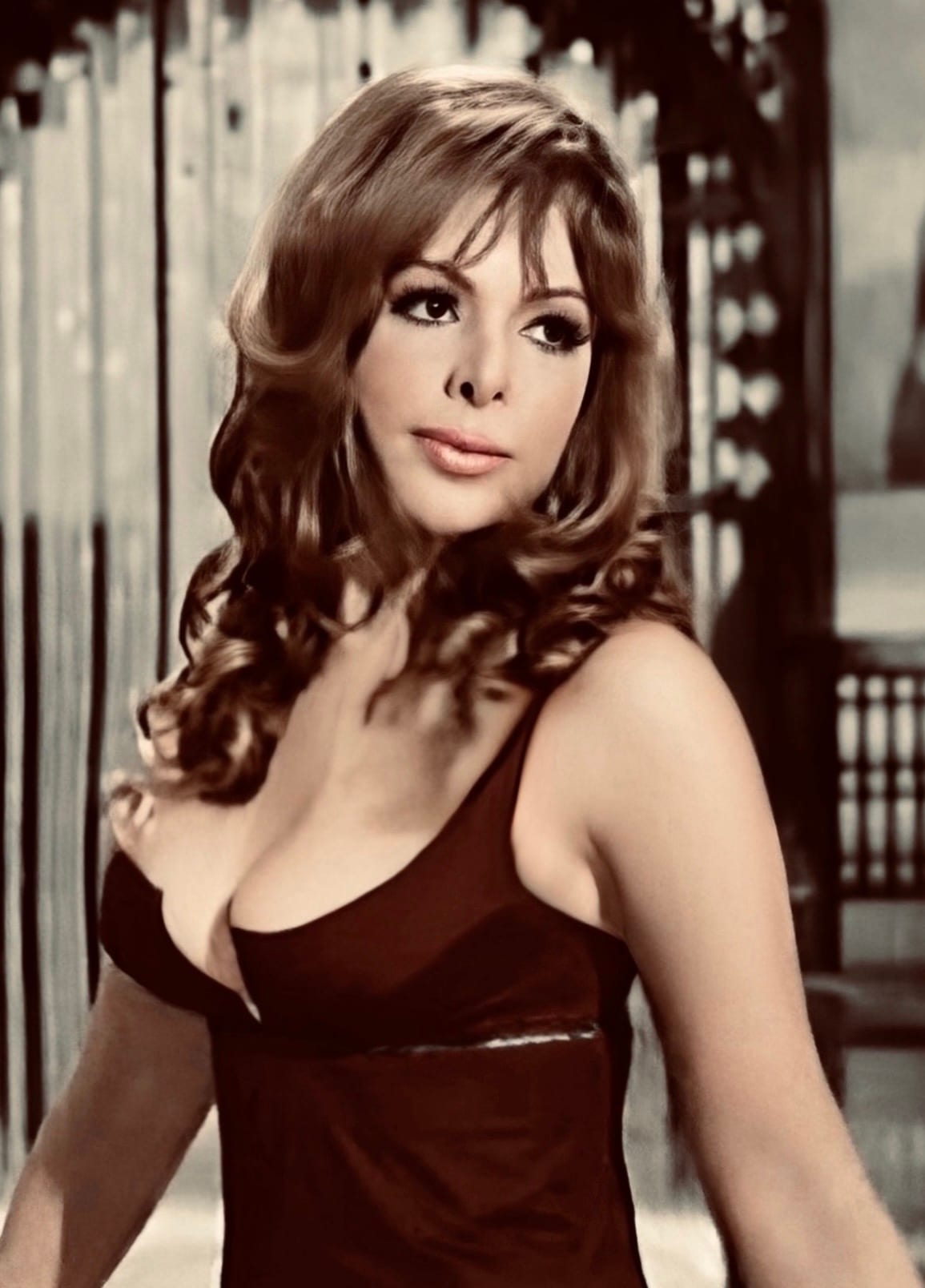
Spinn Radio
Explore artists on Spinn Radio
Controversy around Nahed Sherif’s public image and roles
Nahed Sherif did not only attract attention for her acting. Her public image became a flashpoint in a region where cinema, morality and modernity were in constant negotiation. As an Egyptian-Lebanese star associated with glamour and sensuality, she regularly found herself at the center of debates about what women on screen should or should not do, wear or desire.
Those controversies were not abstract. They shaped which roles she could play and how audiences talked about her. When Sherif took on bolder parts, gossip coverage intensified, and conservative voices used her as an example of perceived excess in popular culture. At the same time, younger and more urban viewers embraced her, seeing in her characters a reflection of real social tensions. That split reaction fed her mystique and helped her endure as a reference point long after particular films fell out of circulation.
This push and pull between admiration and criticism is part of why her name still carries a charge. To remember Nahed Sherif is to remember how Arab cinema tested the boundaries of representation, especially for women, during its golden age. The arguments around her stardom feel very close to contemporary conversations about celebrity, image and agency.
“Her name became shorthand for the way Arab cinema tested boundaries for women on screen.”
Nahed Sherif’s legacy and why her early death still resonates
Nahed Sherif’s relatively early death froze her in public memory at a specific age and era. She did not get the long late‑career reinventions that some of her peers enjoyed. Instead, fans were left with a concentrated body of work from the height of Egyptian and Lebanese studio power, which only added to her legend.
Because she died young, every surviving film, production still and magazine feature feels like a piece of a finite archive. That finiteness is part of her appeal for newer generations discovering classic Arab cinema. They are not just watching an actress work through different decades. They are looking at an artist whose story stopped abruptly, which invites questions about what roles she might have taken as Arab cinema changed in the 1970s and beyond.
Her legacy lives in the way critics and fans still group her with other golden‑era names when talking about the period’s defining faces. For anyone exploring classic Egyptian and Lebanese films through restorations, festival programs or curated streams related to More stories on the Spinn Radio blog, Nahed Sherif is one of the key figures who keeps appearing. Revisiting her work is a way to understand how glamour, controversy and tragedy intertwined in the region’s pop culture history.
“Her career feels like a finite archive, which only deepens the pull of her surviving films.”
Where to start watching Nahed Sherif and exploring her era
If you are new to Nahed Sherif, the best way in is to treat her as a gateway into mid‑20th‑century Egyptian and Lebanese film. Seek out the golden‑age titles that feature her in central roles and watch how she moves within familiar melodramatic setups. Even without listing specific films here, you can recognize her by the intensity of her close‑ups and the way the camera lingers on her when a scene turns emotional.
Pair those films with work by her contemporaries across Egypt and Lebanon to get a sense of her place among peers. You will start to see what differentiate Sherif: a willingness to lean into riskier emotional terrain, especially in stories that touch on class, romance and social reputation. That comparative viewing is where her particular magnetism becomes clear.
For broader context on Arab cinema history and other artists from the same period, browse Explore artists on Spinn Radio. Use Nahed Sherif as a compass: follow co‑stars, directors and genres connected to her work. That path will give you a curated crash course in the look, pacing and emotional stakes of golden‑era Arab film, with Sherif’s presence as one of its most compelling through lines.
“Use Nahed Sherif as a compass figure to navigate golden‑age Egyptian and Lebanese film.”
Good to know
Frequently asked questions
Who was Nahed Sherif in Egyptian and Lebanese cinema
Nahed Sherif was an Egyptian-Lebanese film actress who became a prominent figure in mid‑20th‑century Arab cinema. Her roles and public image made her one of the defining faces of the region’s golden‑age screen culture.
Why is Nahed Sherif considered a golden-age Arab screen star
Nahed Sherif is considered a golden‑age Arab screen star because she worked during the mid‑20th‑century peak of Egyptian and Lebanese cinema and became widely recognized across the region. Her intense screen persona and headline‑grabbing public image cemented her status.
What controversy surrounded Nahed Sherif’s public image
The controversy around Nahed Sherif’s public image centered on her glamorous, sometimes provocative screen persona and the roles she chose. That visibility made her a focal point for debates about women, morality and modernity in Arab popular culture.
How did Nahed Sherif die and why is her death described as early
Nahed Sherif’s death is described as early because she died relatively young, before enjoying a long later career. That abrupt end turned her existing films into a finite archive and helped solidify her legend among Arab cinema fans.
Why should I watch Nahed Sherif’s films today
You should watch Nahed Sherif’s films today to see how a key Egyptian-Lebanese star embodied the tensions of golden‑age Arab cinema. Her performances offer a vivid entry point into the region’s classic film style, themes and stardom politics.
Explore more on Spinn Radio: Explore artists on Spinn Radio · More stories on the Spinn Radio blog
Sources