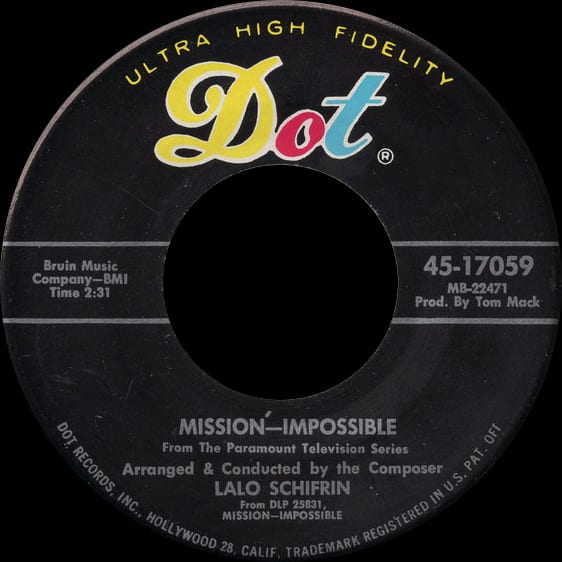
Inside the Iconic ‘Mission: Impossible’ TV Theme: How a Jazz Experiment Became a Cult Classic is really a story about one piece of music refusing to behave like background TV noise. In a landscape of safe, hummable sitcom jingles, Lalo Schifrin wrote a jagged, nervy theme in 5/4 that sounded like jazz caught in a laser grid, and it quietly rewired what a television opening could be.
Today, that theme is a fixture of tv cult themed orchestra programs, spy‑movie playlists, and sample libraries, a track that has survived reboots, remixes, and orchestral upgrades without losing its sting. If you know the ticking fuse, you know the groove, and you can pull the original up in seconds on Spinn Radio.
Key facts
- Editorial brief
- A feature article on the original Mission: Impossible TV theme, focusing on how Lalo Schifrin composed and arranged it, why its unusual 5/4 rhythm and orchestration made it stand out among television themes, and how it evolved into a cult classic across TV, film, and live orchestral performances. The piece would open by situating the reader in the late 1960s TV landscape, then introduce Schifrin and the show’s producers commissioning a distinctive, suspenseful theme. It would break down the musical elements (odd time signature, brass and percussion, use of motif), explain how it was recorded with a studio orchestra, and note key versions (original TV recording, later film adaptations, U2/’90 The article must explicitly answer what searchers want: information about the TV theme from Mission: Impossible, its composer, orchestral/cult status, and legacy
- Where to listen
- Spinn Radio
How Lalo Schifrin’s 5/4 idea rewrote TV theme music
Drop yourself into the late 1960s TV schedule and most themes are in comforting, square time: 4/4 marches, lilting waltzes, tidy pop tunes. When the producers of Mission: Impossible went looking for something darker and more suspenseful, they turned to composer Lalo Schifrin, who came out of jazz and film scoring. His answer was radical for network television: a driving main title in 5/4, with an insistent rhythmic cell that never quite lets your body settle.
That odd time signature is the first hook. Instead of a familiar one‑two‑three‑four, Schifrin stacks the beat as three‑plus‑two. Your ear expects a fourth step that never lands, which instantly builds tension. That rhythmic unease, paired with the show’s fuse‑igniting visuals, made the Mission: Impossible opening feel like a mission brief in sound. It is information you feel before you can analyze it.
For a listener coming fresh to the theme on Spinn Radio today, that 5/4 groove is the tell. You may not know the theory, but you hear that off‑kilter pulse and know you are not in sitcom land anymore; you are in a world where every second counts.
“You hear that off‑kilter 5/4 pulse and know you are not in sitcom land anymore.”
Breaking down the Mission: Impossible TV theme’s sound
Schifrin did not just rely on rhythm. He orchestrated the Mission: Impossible TV theme for a punchy studio orchestra, lining up brass, percussion, and a clean, catchy motif so each element felt like part of a covert operation. The trumpets and trombones carry stabbing, almost fanfare‑like figures that slice through the mix, while low brass and bass instruments mark out the underlying pulse.
Percussion does a lot of heavy lifting. Drums and auxiliary percussion articulate the 5/4 pattern so clearly that you can tap along even if you have never heard an odd meter before. Accents on the first and fourth beat create that stop‑start anxiety that suits a spy briefing. Over the top, Schifrin threads a simple melodic motif that repeats, mutates, and returns, as if the mission itself keeps changing parameters but the core danger stays the same.
The recording approach matters too. This was tracked with a live studio orchestra, so the air around the notes, the little pushes and pulls in tempo, give the cue an organic swagger that modern sample libraries still chase. When orchestras program tv cult themed orchestra concerts now and slot in the Mission: Impossible theme, they are chasing that same blend of precision and swing that Schifrin captured.
“Every brass stab and drum accent feels like part of a covert operation scored in real time.”
Spinn Radio
Explore artists on Spinn Radio
From 60s TV cue to tv cult themed orchestra favorite
At first, the Mission: Impossible TV theme was simply meant to introduce a weekly espionage show. Over time, the piece broke free of the screen. Its structural clarity, strong motif, and unusual rhythm turned it into perfect material for orchestral re‑arrangements, jazz‑club covers, and later film adaptations that kept returning to Schifrin’s blueprint.
That is what people mean when they talk about its cult status. This is not just nostalgia for an old show. The music has become a recurring character across media: recognisable from the original TV recording, then reinterpreted in later film versions that still rely on that same 5/4 hook to signal Mission: Impossible territory. Contemporary orchestras slot it between symphonies and film suites, and audiences react immediately to the first bar.
If you are browsing Explore artists on Spinn Radio and land on soundtrack or orchestral playlists, chances are you will hear that signature pattern appear right alongside more recent scores. It sits comfortably next to modern cinema cues because the underlying ingredients, rhythm and motif, are timeless.
“The theme outgrew its own show and became a recurring character across TV, film, and concert halls.”
Why the Mission: Impossible theme feels so suspenseful
There is a reason searchers keep looking for information about the TV theme from Mission: Impossible, its composer, orchestral/cult status, and legacy. The suspense it generates is not accidental. Start with the meter: 5/4 does not resolve the way our ears expect. That built‑in imbalance mirrors the show’s premise, where plans are always at risk and time is always running out.
On top of that, Schifrin leans into repetition that never quite settles. The main motif cycles again and again, but slight shifts in harmony and orchestration prevent it from feeling looped. Brass might punch a line a little harder, or percussion might emphasize a new accent, nudging the energy up without changing the basic pattern. It is the musical equivalent of rechecking the blueprints before cutting the right wire.
If you want to hear this effect clearly, focus on the low instruments when you stream the track on Spinn Radio. The bass pulse is steady but not square, and the way it locks with the drums is where the anxiety really lives.
“5/4 meter and a motif that never quite settles make the theme feel like a ticking bomb in sound.”
How to listen to the Mission: Impossible TV theme today
Hearing the Mission: Impossible TV theme in isolation, without visuals, is the best way to appreciate how much is packed into so little time. On Spinn Radio, it typically sits in playlists alongside other iconic TV and film cues, which lets you compare how different composers handle tension, groove, and melody.
You can follow the theme through its evolution too. Start with the original TV recording, with its tight studio‑orchestra sound. Then track later film adaptations that keep the 5/4 signature but tweak instrumentation and production for new eras. Each version confirms the same core idea: Schifrin’s jazz‑rooted experiment in rhythm and orchestration is the spine that everything else clings to.
For a deeper dive into kindred sounds, wander through More stories on the Spinn Radio blog and look for other pieces on classic TV themes and soundtrack composers. Hearing the Mission: Impossible cue in that context highlights just how bold that late‑60s commission really was.
“Hearing the theme away from the opening credits reveals how much musical engineering is packed into a few relentless bars.”
Good to know
Frequently asked questions
Who composed the original Mission: Impossible TV theme?
The original Mission: Impossible TV theme was composed by Lalo Schifrin. His jazz background and feel for unusual rhythm shaped the cue’s distinctive 5/4 groove and orchestral punch.
What is unusual about the Mission: Impossible TV theme rhythm?
The Mission: Impossible TV theme is written in an unusual 5/4 time signature. That uneven three‑plus‑two pulse keeps the listener slightly off balance and creates built‑in suspense.
Why is the Mission: Impossible TV theme considered a cult classic?
The Mission: Impossible TV theme is considered a cult classic because its 5/4 rhythm, bold orchestration, and recurring use across TV, film, and live orchestral performances have given it lasting life beyond the original show. It turned a TV cue into a recognizable standalone piece that audiences seek out.
What is the tv cult themed orchestra status of the Mission: Impossible TV theme?
The Mission: Impossible TV theme has become a staple in tv cult themed orchestra programs. Orchestras program it alongside other iconic screen music because its strong motif and 5/4 groove translate powerfully to live performance.
Where can I listen to the original Mission: Impossible TV theme?
You can listen to the original Mission: Impossible TV theme on Spinn Radio. It often appears in playlists highlighting classic TV themes, soundtracks, and cult orchestral favorites.
Explore more on Spinn Radio: Explore artists on Spinn Radio · More stories on the Spinn Radio blog
Sources