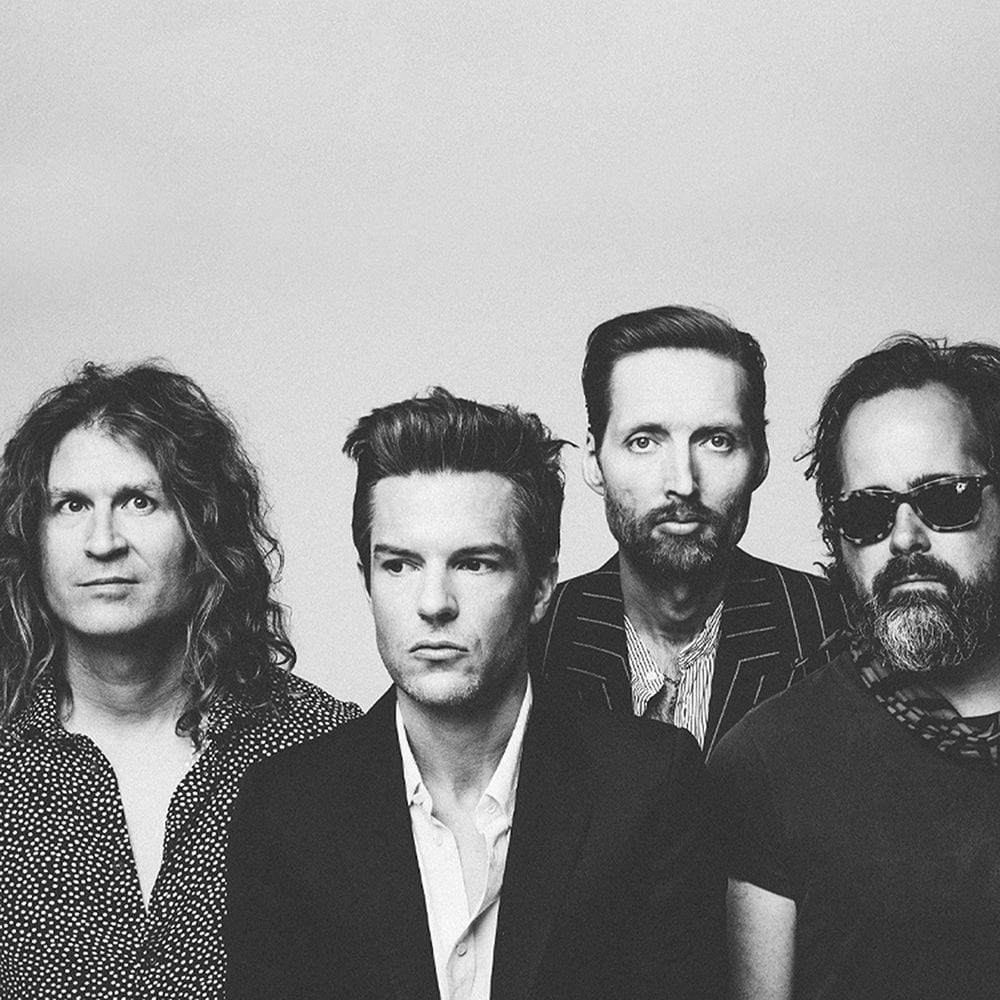
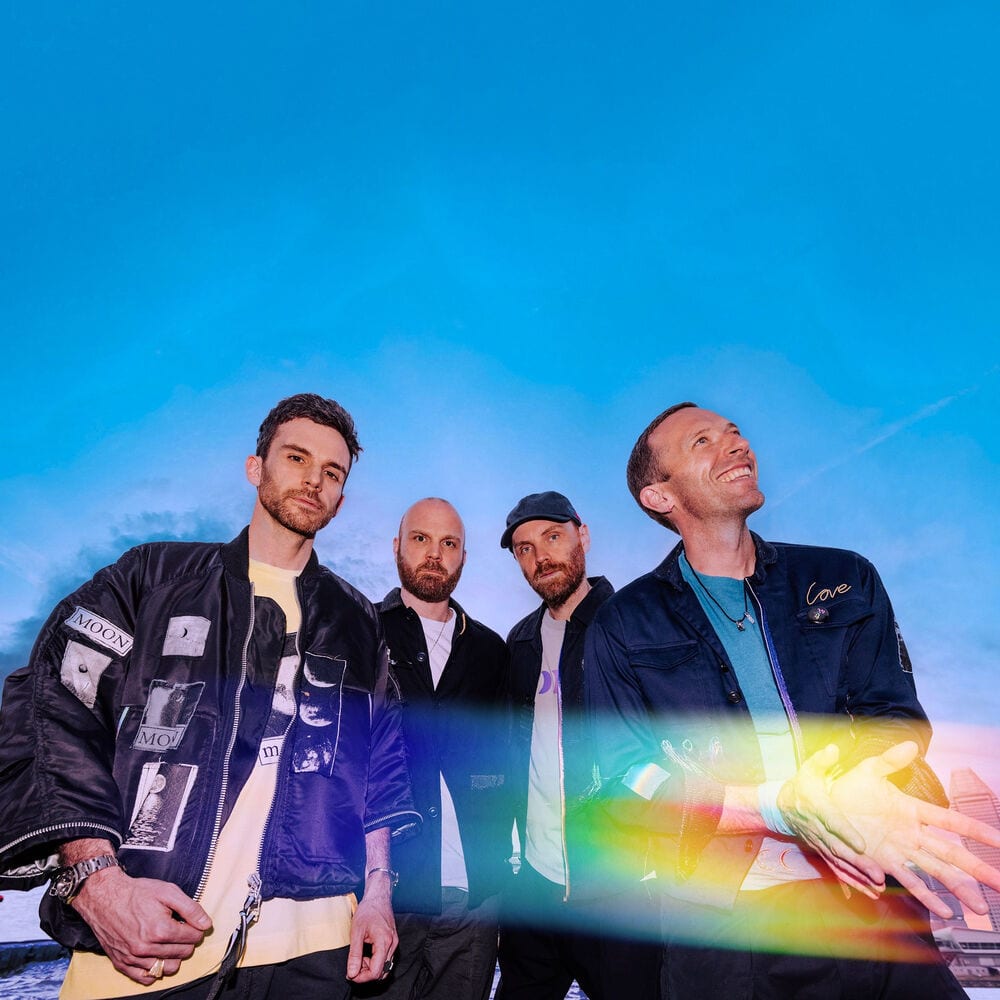
Arctic Monkeys are back in the news this week after FourFourTwo spotted a classic Monkeys easter egg hidden in ITV’s Switzerland vs Qatar coverage, proof that the Sheffield band’s songs still soundtrack moments far beyond the indie crowd. Add in LADbible’s reminder that a woman from one of their iconic videos later turned up in a fan‑favourite British TV show and you get the picture: even when they are offstage, the band keeps popping up in the culture.
With around 7.2 million monthly listeners and close to a billion scrobbles logged by fans, Arctic Monkeys have quietly become one of the most replayed indie rock bands of the last two decades. Whether you first met them through a smoky late‑night spin of "Do I Wanna Know?" or a chaotic sing‑along to "Fluorescent Adolescent, " their catalogue still feels wired into how people flirt, fall out, and stay up too late.
Key facts
- Monthly listeners
- 7.2M
- Total scrobbles
- 955.4M
- Genres
- indie rock, indie, british, alternative, rock
- Signature tracks
- 505, Do I Wanna Know?, Why'd You Only Call Me When You're High?, I Wanna Be Yours, Fluorescent Adolescent
How Arctic Monkeys went from Stocksbridge teens to online cult
Arctic Monkeys formed in Sheffield in 2002 after meeting at Stocksbridge High School, a detail that matters because you can still hear that school‑yard urgency in their early work. The classic lineup is Alex Turner on vocals, guitar, and piano, Jamie Cook on guitar, Nick O'Malley on bass and backing vocals, and Matt Helders on drums and vocals. Founding bassist Andy Nicholson left in 2006, but the band’s personality, rooted in Turner’s vocal drawl and Helders’ kinetic drumming, had already started to gel.
They were among the first British guitar bands to break through via the internet, catching fire on MySpace even though, famously, none of them actually had an account. That accidental virality set the tone: word of mouth, ripped tracks, burned CDs passed between friends. If you want to feel what that era sounded like, queue up "Fluorescent Adolescent" and imagine it blasting from tinny laptop speakers in a student flat.
“They were an internet cult band before they even bothered to log on.”
What Arctic Monkeys sound like in three essential moods
Arctic Monkeys sit at the intersection of indie rock, British alternative, and straight‑up rock, but the real hook is how many moods they cover without losing their core. For late‑night introspection, "505" is the gateway drug: a slow‑burn indie track that turns from resigned to desperate in a few chords, it is the song that keeps turning up in fan edits and festival scream‑alongs. That track alone justifies their place on any moody playlist.
If you prefer something heavier and more swaggering, "Do I Wanna Know?" is the band’s calling card. Built around a stalking guitar riff and a drumbeat you could march to, it sits perfectly between alternative and arena rock, the sound of someone pacing their flat at 2 a.m. trying not to send that message. Paired with "Why'd You Only Call Me When You're High?", you get a double bill of late‑night indecision, both steeped in indie rock but polished enough to dominate mainstream radio.
Then there is "I Wanna Be Yours, " which reveals a different side. Where the other signature tracks are sharp and rhythm‑driven, this one leans into a softer, more hypnotic indie sound, Turner almost murmuring over a sparse, looping arrangement. If "505" is the grand plea and "Do I Wanna Know?" is the argument, "I Wanna Be Yours" is the confession you mutter when the lights are off.
“From the 2 a.m. stomp of "Do I Wanna Know?" to the hushed promise of "I Wanna Be Yours, " there is a Monkeys song for every bad decision you almost make.”

Spinn Radio
Listen to Arctic Monkeys on Spinn Radio
Signature Arctic Monkeys tracks to queue first on Spinn Radio
If you are new to Arctic Monkeys or just overdue a re‑listen, a simple five‑track run tells you exactly why they matter. Start with "Do I Wanna Know?" for the crunching, minimalist riff and the way Turner stretches a simple question into an entire emotional crisis. Follow it with "Why'd You Only Call Me When You're High?" which flips the script, same late hour, same phone, but with a bit more self‑awareness and a woozier groove.
Next, hit "Fluorescent Adolescent" for their indie rock at full sprint. It is bouncier and more crowded than their later work, cramming in hooks the way a night out crams in bad ideas. Slide into "505" after that and you will feel the tempo drop and the stakes rise, the perfect track to close your eyes to on the bus home. Finish with "I Wanna Be Yours, " a modern slow‑dance that has quietly become one of their most streamed songs, proof that the band’s softer side resonates as strongly as the riffs.
Run those five tracks back‑to‑back on Spinn Radio and you will hear a band that can shift from frantic to sultry in under twenty minutes, all while sounding unmistakably like themselves.
“Five tracks, twenty minutes, and you will understand exactly why Arctic Monkeys never really left the conversation.”
Arctic Monkeys’ indie rock peers and Alex Turner’s side roads
Part of what makes Arctic Monkeys so interesting is how they sit in a wider web of collaborators and kindred bands. Frontman Alex Turner steps outside the group with The Last Shadow Puppets, a separate project you can explore on Spinn Radio at The Last Shadow Puppets. That outlet lets him lean even harder into cinematic arrangements and gives context for some of the more adventurous turns the Monkeys take.
There is also a clear kinship with Miles Kane, who appears alongside Turner in The Last Shadow Puppets and fronts his own projects, including Miles Kane and the Death Ramps. If you like the wiry, melodic guitar work in Arctic Monkeys tracks, Kane’s catalog is the next logical stop. On the other side of the Atlantic, The Strokes offer a New York counterpart to the Monkeys’ Sheffield cool, sharing that mix of indie, alternative, and rock that feels both thrown‑away and meticulously crafted.
Dip between Arctic Monkeys and these related acts on Spinn Radio and you will hear their sound in context: British, guitar‑driven, always just a bit sharper than the scene around them.
“If Arctic Monkeys are your home base, The Last Shadow Puppets and The Strokes draw the map of everything orbiting that sound.”
Why Arctic Monkeys still matter every time you switch on
Arctic Monkeys work in 2026 because their songs keep slipping into everyday life, whether it is a sly reference in football coverage or a familiar face from an old video turning up in a TV show. They came up as an internet word‑of‑mouth band and have grown into a kind of shared language for fans of indie and alternative rock, the tracks you put on when you cannot quite say what you mean any other way.
With genres tagged across indie rock, indie, British alternative, and rock, they slot comfortably into almost any guitar‑based playlist, yet their most‑played songs are specific enough to feel personal. Spin "Why'd You Only Call Me When You're High?" on a night bus, or "Fluorescent Adolescent" at a house party, and you will see it: heads lift, someone mouths along to a line, the room tilts a bit toward the speakers. That is why they are worth tuning into now, not for nostalgia, but because those reactions are still happening in real time.
If you are building a queue today, start with the signature five, then branch into Alex Turner’s work on Alex Turner or shuffle related artists. Arctic Monkeys reward that kind of listening, one playlist decision at a time.
“Arctic Monkeys are not a throwback; they are the guitar band your playlists quietly orbit.”
Good to know
Frequently asked questions
When was Arctic Monkeys founded?
Arctic Monkeys were founded in 2002 after the members met at Stocksbridge High School in Sheffield, South Yorkshire, England. That early friendship underpins the tight chemistry you still hear on their records.
Who are the members of Arctic Monkeys right now?
Arctic Monkeys currently consist of Alex Turner, Jamie Cook, Nick O'Malley, and Matt Helders. Turner handles vocals, guitar, and piano, while the others round out guitar, bass, drums, and backing vocals.
What genre is Arctic Monkeys considered?
Arctic Monkeys are considered an indie rock band, with their sound also tagged as indie, British, alternative, and rock. Those overlapping labels reflect how easily they slide between moody slow‑burners and heavier guitar anthems.
What are Arctic Monkeys most famous songs?
Arctic Monkeys’ most famous songs include "505, " "Do I Wanna Know?, " "Why'd You Only Call Me When You're High?, " "I Wanna Be Yours, " and "Fluorescent Adolescent." Those tracks cover everything from late‑night confessionals to frantic indie sing‑alongs.
Why did Andy Nicholson leave Arctic Monkeys?
Founding bassist Andy Nicholson left Arctic Monkeys in 2006. After his departure, Nick O'Malley became the band’s bassist and the group continued to grow their indie rock profile.
Explore more on Spinn Radio: The Last Shadow Puppets · Alex Turner · Miles Kane · Miles Kane and the Death Ramps
Shop the story
Gear for Music Lovers
 Editor's Pick
Audio-Technica AT-LP120XUSB
Direct-drive USB turntable
View on Amazon Bestseller
Sony WH-1000XM5
Noise-canceling headphones
View on Amazon
Audio-Technica AT-LP60X
Fully automatic belt-drive turntable
View on Amazon
Sony WH-1000XM4
Wireless noise-canceling headphones
View on AmazonAs an Amazon Associate, Spinn Radio earns from qualifying purchases.