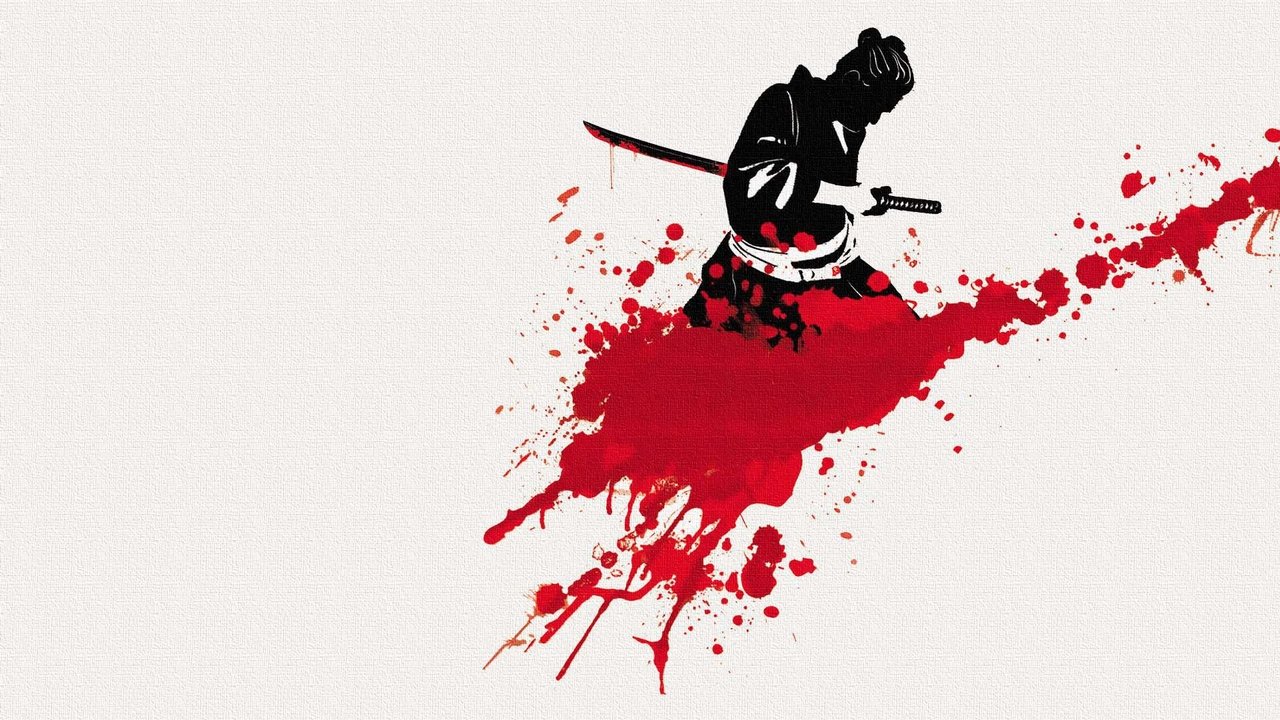
Harakiri starts with a simple request: an aging ronin, Tsugumo Hanshirō, walks into the House of Iyi and asks for a place to die. What follows is one of cinema’s most brutal interrogations of honor, tradition, and the stories a powerful clan tells to protect its reputation.
Directed by Masaki Kobayashi and released in 1962, this 135 minute blend of action, drama, and historical storytelling still feels startlingly sharp. Anchored by Tatsuya Nakadai and a cast that includes Akira Ishihama, Shima Iwashita, Tetsuro Tamba, and Masao Mishima, Harakiri is the rare samurai film that gives you the sword fights you came for, then quietly pulls apart everything you thought those swords stood for.
Key facts
- Released
- 1962
- Runtime
- 135 min
- Genres
- Action, Drama, History
- TMDB rating
- 8.4/10
- Director
- Masaki Kobayashi
- Starring
- Tatsuya Nakadai, Akira Ishihama, Shima Iwashita, Tetsuro Tamba, Masao Mishima
What is Harakiri about, without spoiling the twist?
Harakiri opens in the courtyard of the wealthy House of Iyi, where veteran ronin Tsugumo Hanshirō appears at the gate. He is unemployed, alone, and claims he wants only one thing: a dignified place to commit seppuku, along with a skilled second who can deliver the coup de grâce and preserve his honor. The Iyi clan’s senior counselor is not convinced. He suspects this is a plea for charity dressed up as an honorable request.
As the counselor presses Hanshirō on his motives, the film splits into interlocking stories, each one reframing what we think we know about this man and the clan. Kobayashi uses these nested tales to sift through loyalty, desperation, and the very practical realities of living under a rigid code. The plot turns on the difference between how the samurai code is supposed to work and how it actually plays out when pride, hunger, and power collide.
You go in expecting a solemn ritual. You get a slow tightening of the screws, as each new revelation makes that courtyard feel less like a sacred space and more like a stage where a carefully managed reputation is about to be put on trial.
“You go in expecting a solemn ritual and instead get a slow tightening of the screws.”
Masaki Kobayashi and a cast that weaponise restraint
Harakiri is directed by Masaki Kobayashi, whose control of rhythm and tone turns a static setting into something almost unbearably tense. The film rarely rushes; its 135 minute runtime gives him space to let silences, formal speeches, and ritual preparations do as much work as any flurry of blades.
At the center is Tatsuya Nakadai as Tsugumo Hanshirō, a performance that lives in the gap between politeness and simmering anger. He enters the Iyi estate as a humble petitioner, but the longer he talks, the clearer it becomes that this is not simply a broken man seeking a noble death. Around him, Akira Ishihama, Shima Iwashita, Tetsuro Tamba, and Masao Mishima round out a world of young retainers, family, and clan elders who each embody a slightly different response to the demands of samurai honor.
What makes the cast so effective is how little they need to say to signal what is really at stake. A wary glance during a formal speech, a small shift in posture during a ritual, a line of dialogue delivered a touch too coldly: these tiny cracks in the mask are where Harakiri does some of its sharpest character work.
“Kobayashi turns formal speeches and ritual preparations into weapons as sharp as any blade.”

Spinn Radio
Watch Harakiri on Spinn Radio
How Harakiri rewrites the samurai code on screen
On paper, Harakiri sits in the Action, Drama, History sweet spot. There are swords, there is blood, and there is a feudal clan defending its status. What makes it different from a straightforward chambara brawl is its obsession with the internal logic of the code that supposedly governs everyone on screen.
The film promises to “examine the legendary foundations of the Samurai code, ” and it does that by pushing its characters to choose between honor as a public performance and respect as something earned in private. The Iyi elders cling to the letter of ritual: procedures, punishments, and carefully recorded precedents. Hanshirō forces them to confront the human cost behind those rules. The interlocking stories are structured less like flashbacks and more like legal arguments that gradually corner the clan’s version of events.
If you have seen more traditional samurai tales where loyalty is celebrated without much question, Harakiri plays almost like an argument with those films. It asks what samurai honor is worth to someone who has already lost everything that honor was supposed to protect.
“Harakiri is less a celebration of samurai honor than a cross‑examination of it.”
Who will love Harakiri, from action fans to drama obsessives
If you come to Harakiri for action, you will eventually get it, but you need to enjoy the wait. This is a film for viewers who like their swordplay framed by long stretches of psychological maneuvering, formal dialogue, and the sense that every polite phrase is hiding a threat. Fans of layered dramas and historical stories will find as much to hold onto here as anyone chasing kinetic set pieces.
The deliberate pacing and focus on ritual place it alongside other classic character studies and morally knotted stories in the Spinn Radio catalogue. If you appreciate the way The Hustler turns a pool table into a battleground of pride and self‑respect, Harakiri offers a similarly tight focus on a single arena, in this case the Iyi courtyard, where a man’s life and a clan’s reputation hang in the balance.
Viewers curious about older Japanese cinema or the evolution of the samurai film will also find it a perfect gateway. It has enough of the genre’s surface pleasures to feel familiar, but its 8.4/10 rating hints at how strongly it lands even with audiences who do not usually seek out historical action. The film rewards patience with a payoff that recontextualizes everything you have seen without relying on cheap twists.
“If The Hustler made you care about a pool table, Harakiri will make you fear a quiet courtyard.”
Where to go after Harakiri on Spinn Radio
Once Harakiri has recalibrated your expectations for what a so‑called action film can do, there are smart next steps on Spinn Radio. For another Japanese story that mixes crime, loyalty, and period detail, Life of Hishakaku is ready to queue, and you can jump straight in from its page: Life of Hishakaku.
If what grabs you in Harakiri is the duel between pride and survival more than the historical setting, it is worth lining up The Hustler next: The Hustler. Watching Paul Newman grind through pool halls after experiencing Hanshirō in the House of Iyi makes for a tidy double bill about men forced to measure what their personal code is actually worth.
For something lighter and formally inventive, Sherlock Jr. Sherlock Jr. shows how far visual storytelling can go even without the dense dialogue that powers Harakiri. Seen together, these films sketch a path through action, drama, and comedy that shows how flexible “genre” can be when a director knows exactly what they want to say.
Good to know
Frequently asked questions
When was Harakiri released?
Harakiri was released in 1962. It arrives from a period when Japanese filmmakers were pushing genre films into more psychologically complex territory.
How long is Harakiri (1962)?
Harakiri has a runtime of 135 minutes. Its length gives director Masaki Kobayashi room to build tension through ritual, dialogue, and carefully paced action.
Who directed Harakiri?
Harakiri was directed by Masaki Kobayashi. His precise control of structure and tone turns a simple seppuku request into a gripping moral showdown.
Who stars in Harakiri (1962)?
Harakiri stars Tatsuya Nakadai, Akira Ishihama, Shima Iwashita, Tetsuro Tamba, and Masao Mishima. Their restrained performances keep the film’s tension razor sharp.
What genre is Harakiri?
Harakiri is classified as Action, Drama, and History. It combines samurai swordplay with a probing look at the samurai code and feudal power.
Explore more on Spinn Radio: Life of Hishakaku · Duel of Blood and Sand · The Hustler · Sherlock Jr.
Sources