With headlines full of real‑world violence, from the Liverpool Echo’s recent report on a Chavasse Park machete attack to daily crime alerts on social feeds, City of God feels unnervingly current. Fernando Meirelles’ 2002 drama looks straight at the cycle of brutality in Rio’s favelas, then hands the camera to a teenager trying to survive it.
Set in the 1970s and running a lean 129 minutes, City of God follows Rocket, a budding photographer, and José “Zé” Pequeno, an ambitious dealer rising through the ranks of local crime. The film plays like a bullet‑fast crime saga and a street‑level character study at the same time, anchored by Alexandre Rodrigues as Rocket and Leandro Firmino as Zé.
Key facts
- Released
- 2002
- Runtime
- 129 min
- Genres
- Drama, Crime
- TMDB rating
- 8.4/10
- Director
- Fernando Meirelles
- Starring
- Alexandre Rodrigues, Leandro Firmino, Phellipe Haagensen, Douglas Silva, Jonathan Haagensen
What City of God is about (without ruining the shocks)
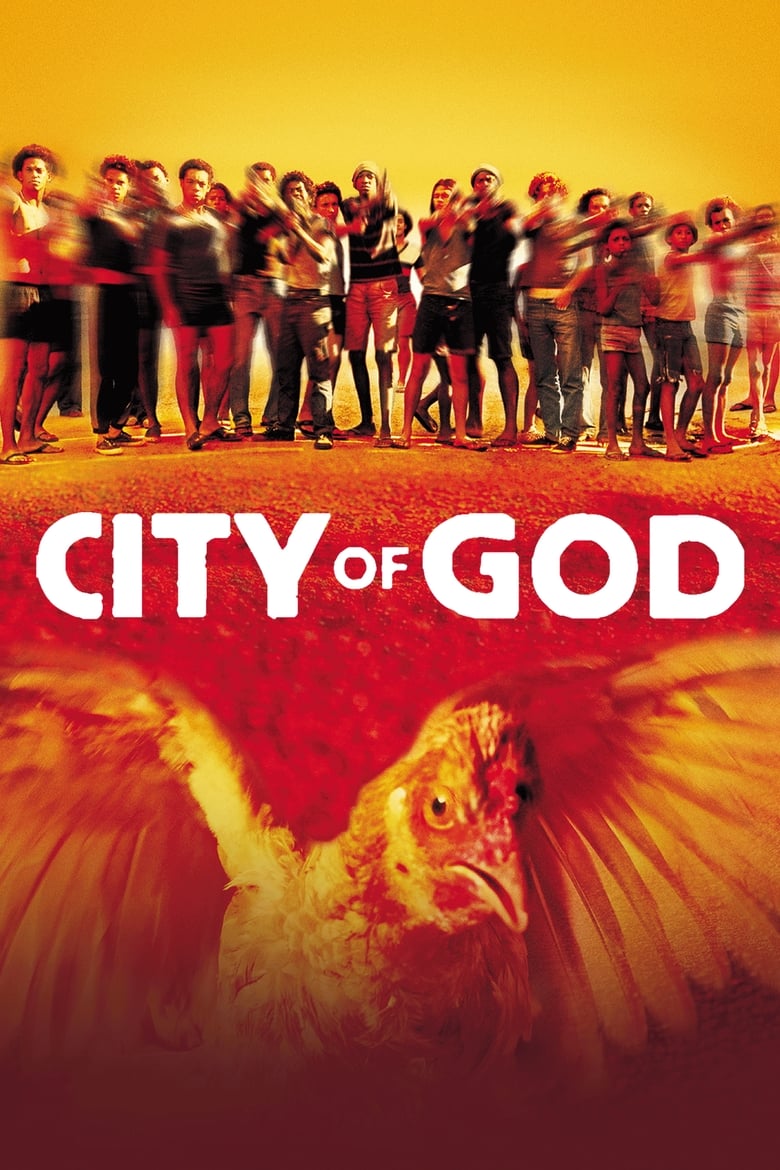
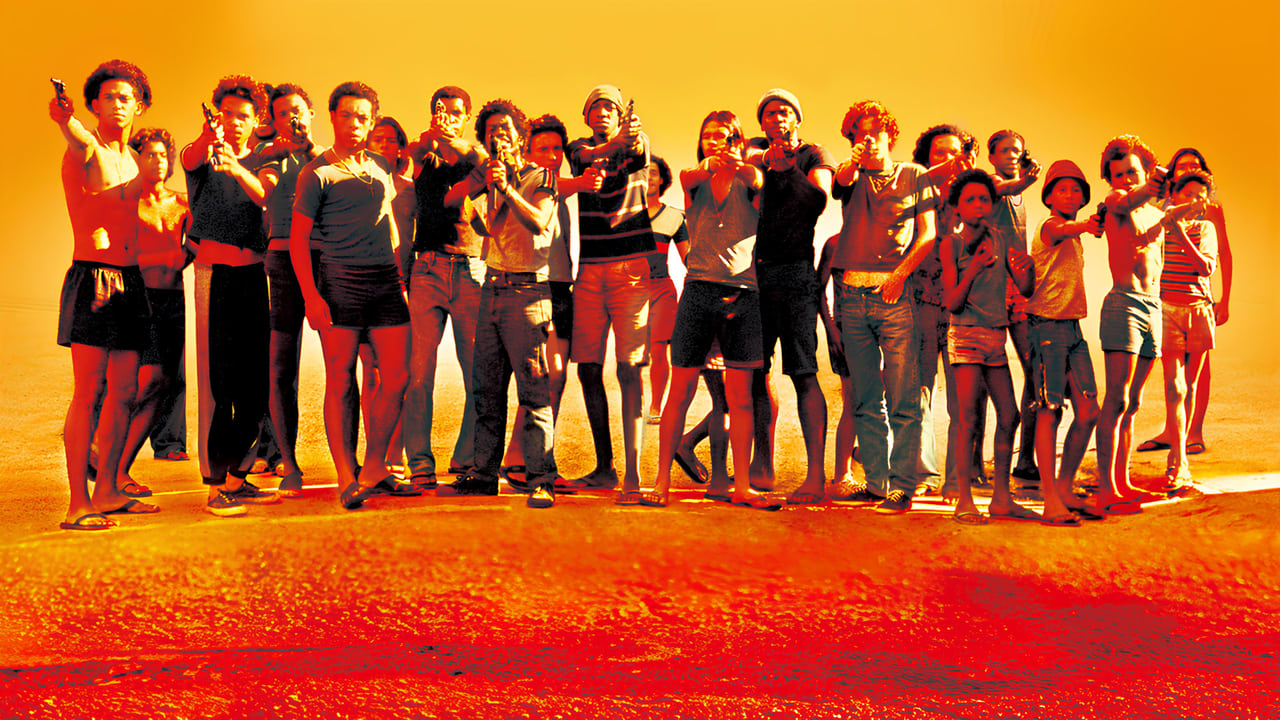
City of God drops you into a Rio de Janeiro favela in the 1970s, where kids grow up surrounded by stick‑ups, turf wars, and easy money. Two of them, Rocket and José “Zé” Pequeno, make choices that bend their lives in completely different directions. Rocket, played by Alexandre Rodrigues, discovers an eye for photography and starts capturing the chaos around him. Zé, played with unnerving intensity by Leandro Firmino, dives deeper into dealing and violence.
The hook is simple: one boy watches, one boy takes over. From there the story expands, showing how petty robberies swell into organized crime and how every kid in the neighborhood has to pick a side. Because the film is structured around Rocket’s memories and images, you get context and character without the plot being spoiled beat‑by‑beat. The tension comes from knowing that Rocket’s camera can reveal the truth, and that Zé’s power depends on keeping that truth under his control.
If you want a single entry point, watch the early scenes where Rocket experiments with taking photos of local gang members. You see his fear and curiosity in the same frame, and you understand the film’s core idea: that looking at violence, and choosing how to frame it, is its own kind of power.
“One boy points a gun, the other raises a camera, and City of God asks which one really controls the story.”
Fernando Meirelles’ rough‑cut style and why it hits so hard
Directed by Fernando Meirelles, City of God is tagged as Drama and Crime, but it moves with the speed and volatility of a thriller. Meirelles shoots the favela not as a backdrop but as a living maze of alleys, stairways, and improvised homes. The pacing is fast, scenes stack quickly, and the cutting keeps you slightly off balance, which mirrors the constant threat the characters live with.
What really stands out is the way Meirelles treats Rocket’s photography as the film’s nervous system. When Rocket lines up a shot, you feel the movie briefly slow down so he can decide what belongs in the frame. Those choices quietly shift the story from "crime spectacle" into a chronicle of survival and self‑definition. The more Rocket photographs, the more he steps out of the role of potential victim and into that of an observer with something to say.
If you respond to true‑crime documentaries and dramatized biographies like A Husband to Die For: The Lisa Aguilar Story or The Girl Who Survived: The Alina Thompson Story, Meirelles’ approach will grab you. He gives City of God the propulsion of a crime saga, but he keeps the camera close to the kids who have to live with every consequence.
“City of God moves like a crime thriller but thinks like a photographer deciding what the world needs to see.”
Spinn Radio
Watch City of God on Spinn Radio
The cast of City of God: faces you won’t forget
City of God works because its kids feel like actual kids from the neighborhood, not polished movie archetypes. At the center is Alexandre Rodrigues as Rocket, all nervous energy and quiet calculation, constantly weighing whether getting the shot is worth the risk. His presence makes the story feel lived‑in instead of narrated from a safe distance.
On the other side of the lens is Leandro Firmino as Zé Pequeno, whose ambition curdles into menace. Firmino plays him as someone who never really leaves childhood behind, which makes his brutality even more disturbing. Around them, Phellipe Haagensen, Douglas Silva, and Jonathan Haagensen flesh out a network of friends, rivals, and reluctant accomplices who show the many ways kids might try, and fail, to duck out of the crime economy.
If you are drawn to intense ensemble work in crime dramas, the performances here give you a lot to lock onto. Watch how Rodrigues’ Rocket physically shrinks or expands depending on who he is with, and how Firmino’s Zé treats every room like it already belongs to him. Those contrasts keep the 129 minute runtime feeling tight rather than overstuffed.
“Alexandre Rodrigues gives the story its conscience, and Leandro Firmino gives it the shiver that stays with you afterward.”
Why City of God still feels urgent in 2026
The film was released in 2002, but its look at young people navigating violence feels closely aligned with what you read in current crime headlines. That Liverpool Echo story about teenagers and a machete attack could easily be a grim footnote in Rocket’s photo archive. City of God does not pretend that brutality is unique to one city or one decade. It shows how inequality, easy access to weapons, and the pull of reputation can shape a generation.
What keeps it from being pure despair is Rocket’s insistence on documenting what he sees. In a media age where anyone with a phone can become a witness, his 1970s camera feels oddly modern. The film asks how images of violence are used, who they are for, and whether they can change anything beyond the photographer’s own fate.
If you gravitate to socially aware dramas and global stories, City of God belongs next to harder‑hitting titles like Does the American Moon Rise Over Itaewon?. You come for the crime story, but you are likely to stay for the questions it raises about what it means to grow up under constant threat.
“City of God feels like it could have been shot yesterday, which is exactly what makes it so disturbing.”
Who will love City of God and how to watch it
City of God is for anyone who likes their crime stories character‑driven and morally complicated. If you are into drama and crime as genres, the film’s mix of high‑stakes set pieces and intimate, low‑light conversations will land. The 8.4 out of 10 TMDB rating hints at how strongly it connects with viewers who can handle its intensity.
It is also a smart pick if you want to broaden your cinematic comfort zone beyond familiar English‑language crime sagas. Fernando Meirelles builds a world where every side character has history, and where the line between victim, witness, and perpetrator keeps blurring. That complexity rewards rewatching, especially if you pay attention to Rocket’s photos as a map of who matters in the story at any given time.
If you are sensitive to depictions of violence involving young people, it is worth knowing that City of God does not soften the reality it shows. But if you can sit with that discomfort, you get a film that sticks in your mind long after the credits roll, and that makes nearly every other coming‑of‑age crime drama look a little safer by comparison.
“If you like your crime dramas tense, human, and morally tangled, City of God belongs at the top of your watchlist.”
Good to know
Frequently asked questions
When was City of God released?
City of God was released in 2002. Its story is set in the 1970s, but the film’s impact has kept it firmly in the 21st‑century crime‑drama canon.
How long is City of God?
City of God has a runtime of 129 minutes. It uses that time for a fast, layered story that follows Rocket and Zé Pequeno across several years.
Who directed City of God?
City of God was directed by Fernando Meirelles. His kinetic style and focus on Rocket’s photography shape the film’s intense, street‑level perspective.
Who stars in City of God?
City of God stars Alexandre Rodrigues, Leandro Firmino, Phellipe Haagensen, Douglas Silva, and Jonathan Haagensen. Their performances anchor the film’s emotional weight.
What genre is City of God?
City of God is a Drama and Crime film. It blends coming‑of‑age storytelling with a hard‑hitting look at Rio de Janeiro’s favela underworld.
Explore more on Spinn Radio: A Husband to Die For: The Lisa Aguilar Story · The Girl Who Survived: The Alina Thompson Story · I Was a Child Bride: The Courtney Stodden Story · Does the American Moon Rise Over Itaewon?