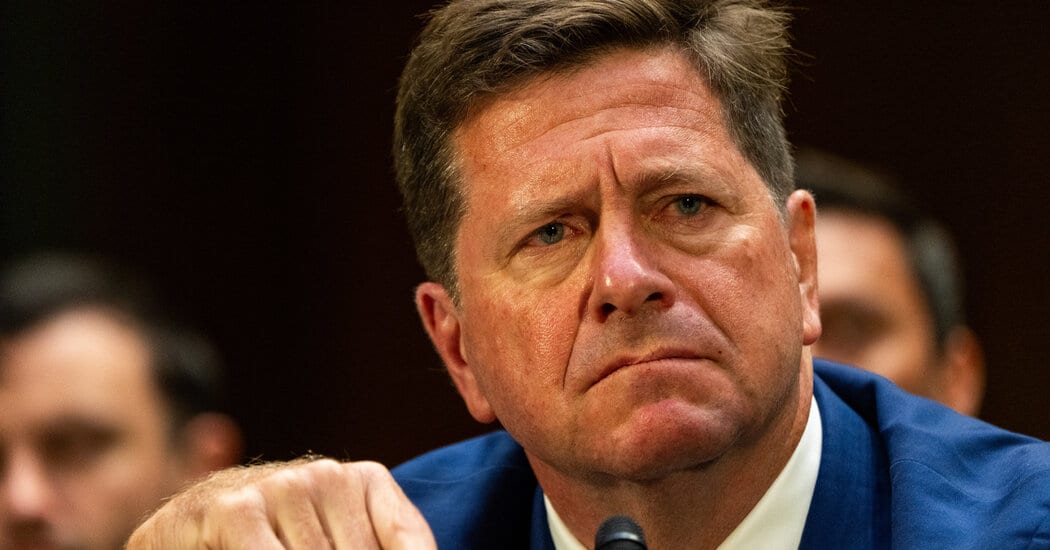
Jay Clayton has been confirmed by the Senate as the next director of national intelligence, according to NBC News, placing a federal prosecutor at the top of the U.S. intelligence hierarchy at a tense political moment. The vote gives the administration its chosen overseer of the nation’s sprawling spy agencies and sets up a new phase in Washington’s long‑running fight over how intelligence is collected, shared and used.
The confirmation capped a day of rapid headlines, with NBC News and the Pittsburgh Tribune‑Review both reporting the Senate’s approval on Tuesday, and The Gateway Pundit following with word that Clayton would serve as director of national intelligence for the nation as a whole. For anyone tracking how security policy shapes everything from global affairs to what ends up on screen in political thrillers, this is a consequential personnel move.
Key facts
- Source
- NBC News
- Reported
- July 28, 2026
- Desk
- general
- Follow the story
- Spinn Radio Movies
Who Jay Clayton is and why his background matters
NBC News describes Jay Clayton as a federal prosecutor, a resume line that signals a career built around criminal investigations and courtroom work. That experience is very different from a traditional path through the ranks of intelligence agencies, which often produce directors with long tenures inside places like the CIA or NSA.
A prosecutor’s mindset tends to focus on evidence, chain of custody and how information will play under legal scrutiny. In an intelligence role, that could translate into sharper questions about how raw intelligence is verified and how it ultimately reaches policymakers. Viewers used to spy dramas where lawyers clash with agents will recognize that tension as a familiar plot engine, now mirrored in real life at the top of the intelligence community.
For film and TV fans, the idea of a prosecutor steering intelligence policy is exactly the kind of character beat that often drives courtroom‑meets‑spy thrillers. It gives storytellers, and news consumers, a concrete reason to watch how Clayton navigates bureaucracy, politics and the secret world he is now tasked with overseeing.
“A career built around evidence and courtrooms will now sit atop America’s secret world.”
What the director of national intelligence actually does
Across several outlets, including NBC News and the Pittsburgh Tribune‑Review, Clayton’s new title is described as director of national intelligence or the nation’s intelligence director. That role is designed to coordinate, not replace, the work of the United States’ many separate intelligence agencies.
The director of national intelligence oversees how those agencies share information, brief top leaders and respond to emerging threats. In day‑to‑day terms, that means deciding which assessments get pushed to the president, where to focus analytic resources and how to balance secrecy with the need for oversight by Congress and the public.
For anyone who watches political thrillers or news‑driven dramas covered on Spinn Radio Movies, the director’s office is the command center behind many on‑screen storylines. The job sits at the intersection of law, technology and national security, which is why the choice of a federal prosecutor for the role is drawing such close attention in Washington coverage.
“The intelligence director’s office is the quiet command center that decides which secrets reach the Oval Office.”
Spinn Radio
Follow film news on Spinn Radio
How the Senate confirmation unfolded and who reported it
The confirmation played out in public through a series of fast‑moving headlines. NBC News reported on Tuesday that the Senate had approved Clayton as the next director of national intelligence, framing it as the chamber’s sign‑off on his elevation from federal prosecutor to intelligence chief.
Earlier that day, the Pittsburgh Tribune‑Review also reported that the Senate had confirmed Jay Clayton as the nation’s intelligence director, reinforcing that this was not a tentative nomination but a completed vote. Later, The Gateway Pundit echoed the development with its own headline announcing that the Senate had confirmed him as director of national intelligence.
The alignment of those three outlets on the central fact of the day is the key takeaway: the confirmation is not speculative, it is done. The open question now shifts from "if" to "how" Clayton will use the office he has just secured.
“The news cycle moved from nomination questions to confirmation facts in the space of a single day.”
What is at stake with Clayton running U.S. intelligence
Putting a federal prosecutor in charge of national intelligence raises immediate questions about oversight, civil liberties and the future of surveillance policy. While the reports from NBC News and others do not spell out his agenda, the job itself gives Clayton direct influence over how aggressively agencies collect information and how tightly they are monitored.
For lawmakers, the confirmation reshapes future battles over briefings, whistleblowers and access to classified findings. For the intelligence agencies, it introduces a new boss whose instincts have been shaped by court rules and prosecutorial standards rather than by a career of clandestine work.
On screen, these same tensions often drive the plots of films and series that pit security imperatives against individual rights. As Spinn Radio Movies continues to track political and legal storytelling, Clayton’s tenure will offer a real‑world backdrop for the next wave of scripts that try to capture how power and secrecy actually collide.
“With Clayton confirmed, every fight over secrecy and oversight will now run through a former prosecutor’s office.”
What to watch next as Clayton takes over intelligence
With the confirmation settled, the next phase will be about implementation: how Clayton shapes his staff, how he approaches congressional testimony and how quickly any policy shifts become visible in public reporting. Those are the checkpoints that will show whether a prosecutorial background changes the tone or substance of intelligence leadership.
Newsrooms that first confirmed the vote, including NBC News, The Gateway Pundit and the Pittsburgh Tribune‑Review, are likely to track his early moves closely. Their coverage will help clarify which issues, from information‑sharing reforms to oversight disputes, rise to the top of the agenda.
For viewers and readers who move between news and narrative, keeping an eye on Clayton’s first months in office will offer both civic insight and fresh context for the political and intelligence dramas featured across Spinn Radio Movies. This is the moment when a headline about a Senate vote begins to turn into a chapter of a longer story about how the United States handles secrets in a volatile era.
“The confirmation is over; the real story starts with Clayton’s first decisions in the job.”
Good to know
Frequently asked questions
Who is Jay Clayton and what role did the Senate approve?
Jay Clayton is a federal prosecutor who has been confirmed by the Senate as the director of national intelligence. That makes him the top official coordinating the U.S. intelligence community.
What does the new intelligence director position involve?
The director of national intelligence oversees how U.S. intelligence agencies share information and brief national leaders. The role sits above individual agencies and focuses on coordination and oversight.
Why is Clayton’s confirmation as intelligence chief significant?
Clayton’s confirmation is significant because it puts a federal prosecutor in charge of U.S. intelligence. His legal background could shape how surveillance, evidence and accountability are handled at the highest level.
Where can I follow coverage of this confirmation story?
You can follow coverage of this story through outlets like NBC News and on Spinn Radio, especially via our Spinn Radio Movies hub, which tracks political and intelligence narratives on screen.
Explore more on Spinn Radio: Explore film coverage on Spinn Radio