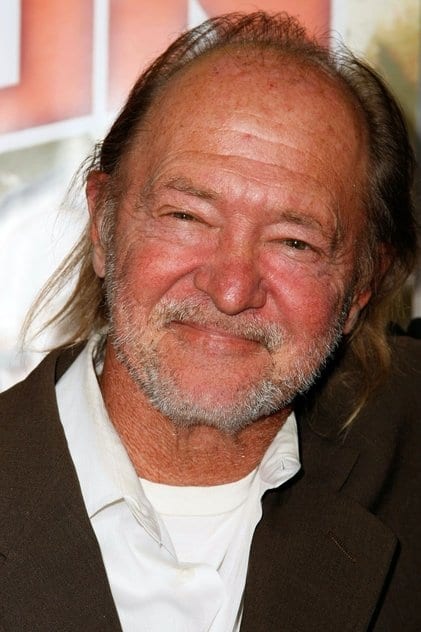
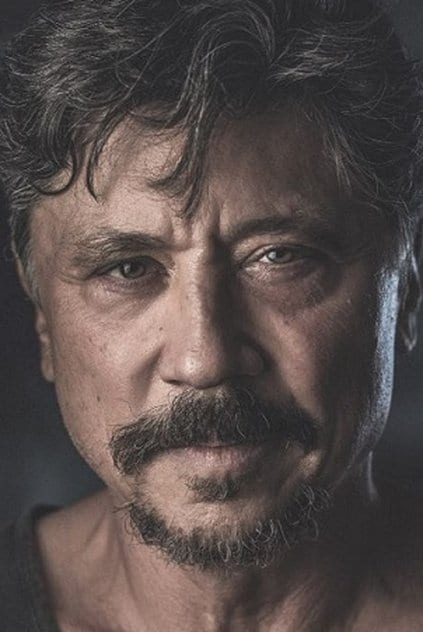
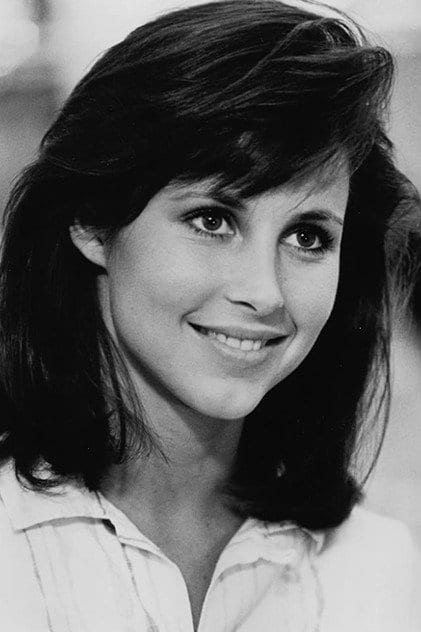
Murat Soydan, born Rüçhan Tercan in 1940 and active across nearly 75 film credits, is one of those actors who quietly map the whole arc of a national cinema. From 1960s romantic melodramas to a 2007 comedy like Avrupalı, his career tracks how Turkish film shifted in style, scale and audience over five decades.
If you know him at all, it is probably as the suave “jön” who shared the screen with luminaries like Türkan Şoray and Hülya Koçyiğit in the 1970s. Yet titles such as Sana Dönmeyeceğim, Ölümle Sevişenler, Yalnız Değilsiniz and Küçük Eller show how much range sat behind that matinee-idol image, and why he still rewards a focused watch today.
Key facts
- Known for
- Acting
- Born
- 1940-10-02
- Died
- 2024-06-11
- Place of birth
- Luleburgaz, Kırklareli, Turkey
- Film credits
- 75
- Notable films
- Avrupalı (2007), Persecution (1972), Ölümle Sevişenler (1972), Sana Dönmeyeceğim (1969), Yalnız Değilsiniz (1990), Küçük Eller (1983)
How Murat Soydan’s small-town beginnings shaped a leading man
Murat Soydan was born on 2 October 1940 in Lüleburgaz, in Turkey’s Kırklareli province, and that provincial start matters. He went through primary and secondary school in Lüleburgaz, continued his education in Edirne, then moved to Istanbul for university. That path from small town to the country’s cultural capital sits right under the surface of his screen persona: a mix of straight-backed reserve and big-city polish that made him ideal for romantic heroes caught between duty and desire.
In Istanbul he studied at the Academy of Economic Sciences while also completing the Turkish Music Department at the Istanbul Municipal Conservatory. That double education, numbers and music, is unusual for a star of his era and helps explain how comfortable he looks in roles that ask an actor to move from stillness to emotional flourish. During his studies he even worked as a civil servant at Tekel, which gives an extra layer of credibility to his many portrayals of working men suddenly swept into love or crisis.
If you like your leading men to feel grounded rather than manufactured, a good entry point is the 1969 drama Sana Dönmeyeceğim. Knowing that Soydan’s own route ran through real institutions and real paychecks before the cameras turned on only sharpens the film’s sense of a man wrestling with promises he may not keep.
“From Lüleburgaz classrooms to Istanbul conservatory halls, Murat Soydan’s own journey quietly anchors the sincerity of his screen romances.”
From Perde contest winner to nearly 200 films
Soydan’s film career starts with an almost fairytale beat: after his military service as a reserve officer, he entered a contest run by Perde (Curtain) magazine in 1966, tied with Tanju Korel, and walked straight into cinema. That same year he made his debut with the film Sleeveless Hero (also known as Armless Hero), the first stepping stone in what would become a long run of leading roles.
Across his career he appeared in nearly 200 films, with 75 film credits formally tallied and many more in popular memory. The early years cemented him as a “jön” in the 1970s, a go-to leading man opposite stars like Türkan Şoray and Hülya Koçyiğit. This was the heyday of Turkish melodrama, and Soydan was at its center, the face audiences associated with noble sacrifice, thwarted love and attractive men undone by their own decency.
Film titles from this period read like a crash course in that tradition: The Most Beautiful Woman in the World, Ayşem, Lie Years, Kahveci Güzeli, Nisan April, alongside Sana Dönmeyeceğim. If you want to understand how Turkish popular cinema felt in living rooms and crowded theaters in the late 60s and 70s, picking any Soydan-led melodrama from this stretch is a direct route back.
“His win in Perde magazine’s 1966 contest did not just launch a career, it dropped a fully formed leading man into the center of Turkish melodrama.”
Spinn Radio
Explore Murat Soydan on Spinn Radio
Where to start with Murat Soydan: from Sana Dönmeyeceğim to Avrupalı
A practical way into Soydan’s body of work is to use a handful of confirmed titles as guideposts. From the late 1960s, Sana Dönmeyeceğim (1969) captures him at the moment he was becoming a reliable romantic lead, a man defined by promises made and broken. It is the kind of performance that built his rapport with audiences and explains why he was cast again and again opposite the era’s biggest actresses.
Move forward to 1972 and you reach Persecution and Ölümle Sevişenler. These films show a slightly darker and more intense Soydan, comfortable in stories where love sits right next to danger or moral pressure. They are essential if you want to see how his “jön” image was flexible enough to hold thrill, not just tenderness. On Spinn Radio, Persecution and Ölümle Sevişenler are ideal double-feature material if you are curious about him at his early 70s peak.
Two later works fill out the picture. Küçük Eller (1983) places him in the shifting landscape of early 80s Turkish film, while Yalnız Değilsiniz (1990), available on Spinn Radio here, shows him navigating more contemporary themes. Finally there is Avrupalı (2007), a reminder that Soydan was still working into the new millennium. Queue Avrupalı if you want to see how a classic leading man adjusts to the timing and tone of 2000s cinema.
“Start with Sana Dönmeyeceğim for the romantic idol, then jump to Persecution and Avrupalı to see how far Murat Soydan stretched that image.”
Murat Soydan beyond the camera: author and industry figure
Soydan’s presence in Turkish cinema was not limited to what happened between “action” and “cut”. For a period he served as president of the Association of Cinematographers, a role that placed him inside the professional structures that supported film production. That background matters when you watch him work with directors and ensembles. He understood schedules, crews and the pressures on set, and his performances often feel like they are shaped with a clear respect for the whole machine, not just the spotlight.
In 2016 he published a book about his life and movies. That choice to document his career himself gives fans a rare extra layer: alongside the images on screen, you have his own curated story of how those roles came to be. For anyone tracing Turkish film history, that book, read alongside titles like Küçük Eller and Yalnız Değilsiniz, turns his career into a kind of living archive.
If you are the kind of viewer who likes to connect performances with the person behind them, knowing that Soydan was both an industry representative and an author makes revisiting his films more rewarding. Each frame carries not only a character, but someone who spent decades thinking about what Turkish cinema was and what it could become.
“He did not just star in films, he helped represent the people who made them and later wrote the story of how it all happened.”
Good to know
Frequently asked questions
Who was Murat Soydan?
Murat Soydan was a Turkish cinema and drama actor known for around 75 film credits and nearly 200 total roles, often as a romantic leading man.
When was Murat Soydan born?
Murat Soydan was born on 2 October 1940 in Lüleburgaz, in Turkey’s Kırklareli province, where he completed his primary and secondary schooling.
When did Murat Soydan die?
Murat Soydan died on 11 June 2024, closing a career that ranged from his 1966 debut in Sleeveless Hero through to films like Avrupalı in 2007.
What are the most famous Murat Soydan movies?
Notable Murat Soydan films include Avrupalı (2007), Persecution (1972), Ölümle Sevişenler (1972), Sana Dönmeyeceğim (1969), Yalnız Değilsiniz (1990) and Küçük Eller (1983).
What was Murat Soydan’s real name?
Murat Soydan’s real name was Rüçhan Tercan, a detail that connects the screen idol to the student and civil servant he was before the 1966 Perde contest.
Explore more on Spinn Radio: Avrupalı · Persecution · Ölümle Sevişenler · Sana Dönmeyeceğim
Sources