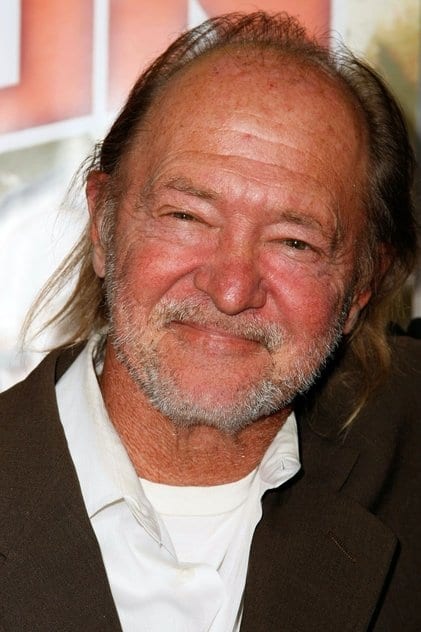
Carlos Bardem is one of those actors you recognize before you can place the name, a Madrid-born character specialist whose 58 film credits stretch from Che Guevara’s final campaign to the world of Assassin’s Creed. He shares a famous surname with Javier and their mother Pilar Bardem, but across Spanish dramas and international thrillers he has earned his own space on the call sheet.
If you know him at all, it might be from a single title: the revolutionary drama Che: Part Two, the historical crime story Escobar: Paradise Lost, the video game adaptation Assassin’s Creed, or the boxing drama Scorpion in Love. Follow the thread across those films and a clear pattern emerges: Carlos Bardem gravitates to morally murky worlds, men under pressure, and stories that blur the line between justice and survival.
Key facts
- Known for
- Acting
- Born
- 1963-03-07
- Place of birth
- Madrid, Spain
- Film credits
- 58
- Notable films
- In the Grey (2026), Assassin's Creed (2016), Che: Part Two (2008), Escobar: Paradise Lost (2014), Scorpion in Love (2013), One Last Deal (2026)
Who is Carlos Bardem and where does he come from?
Carlos Encinas Bardem was born on 7 March 1963 in Madrid, Spain, into a family that treats film as a second language. His mother is actress Pilar Bardem, and his siblings include actors Mónica Bardem and Javier Bardem, but he has never felt like a mere supporting player in someone else’s dynasty. Across 58 film credits, he has deliberately carved out a career in projects that lean into conflict, politics and crime rather than safe, glossy star vehicles.
That background matters when you watch him work. There is a confidence in how he occupies the frame, especially in ensemble pieces, that suggests someone who has absorbed decades of on-set experience. Even when the role is small, Bardem usually arrives with a history already written on his face: a man who has seen too much, or is about to cross a line. It is the sort of presence that turns secondary characters into the ones you remember on the way out of the cinema.
“Bardem tends to arrive on screen with a history already written on his face: a man who has seen too much, or is about to cross a line.”
Carlos Bardem in Che: Part Two and the pull of political stories
If you want to understand Carlos Bardem’s taste for politically charged material, start with Che: Part Two (2008). Steven Soderbergh’s two-part epic traces Ernesto "Che" Guevara’s campaigns, and Bardem slots into that world of jungle warfare and ideological conviction with ease. The film is dense and procedural rather than showy, which suits him. His work here is about blending into a unit, letting tension and belief simmer instead of erupting in grandstanding speeches.
The choice of Che: Part Two helps define Bardem’s lane. He often turns up where politics, violence and idealism collide, whether in Latin American history or European crime drama. For viewers who like their war and revolution films grounded rather than operatic, his performance in this chapter of Che’s story is a smart reference point and a strong reason to queue the film on Spinn Radio.
“For viewers who like their revolution films grounded rather than operatic, Bardem’s turn in Che: Part Two is the place to start.”
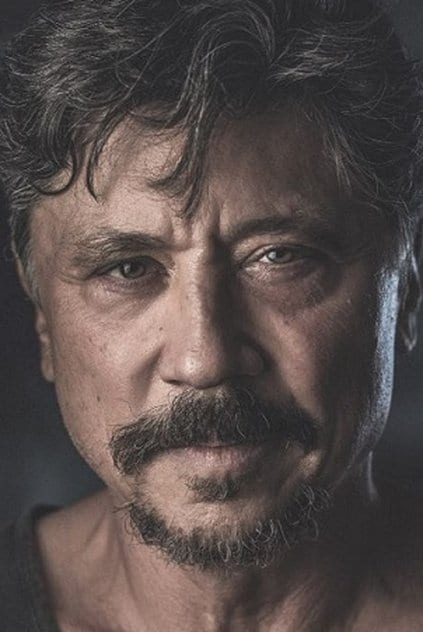
Spinn Radio
Explore Carlos Bardem on Spinn Radio
Escobar: Paradise Lost and Carlos Bardem in crime-world dramas
Escobar: Paradise Lost (2014) drops Bardem into another morally loaded setting: the orbit of Pablo Escobar. The film is built as a thriller about a young outsider sucked into the Colombian drug lord’s circle, and Bardem helps flesh out that ecosystem of fear, loyalty and sudden violence. He is particularly good at playing men who understand the rules of a corrupt game and know exactly how dangerous it is to break them.
The same instincts are at work in Scorpion in Love (2013), a boxing drama that threads together sport, violence and personal transformation. Bardem’s presence anchors the film’s rougher edges, giving its world of fighters and street tensions a lived-in feel. If your taste runs to crime sagas and gritty sports stories, pairing Escobar: Paradise Lost with Scorpion in Love makes for a neat double bill that shows how comfortably he moves inside these high-risk environments.
“Bardem is particularly good at playing men who know every rule of a corrupt game and exactly how dangerous it is to break them.”
How Carlos Bardem fits into Assassin’s Creed and global genre cinema
By the time Assassin’s Creed (2016) rolled around, Carlos Bardem had already stacked up decades of work in Spanish and European projects. That experience pays off in a film that asks actors to sell a very particular blend of historical fantasy, sci-fi tech and parkour-infused action. Adapted from the blockbuster video game series, the movie hinges on a sprawling conspiracy that links modern-day experimentation with a secret society of killers and rebels across history.
Bardem is part of the ensemble that grounds all that lore. Surrounded by stars and visual-effects spectacle, he does what he often does best: make a heightened world feel like it has real stakes and real people trapped inside it. For anyone curious about how European character actors slot into Hollywood-scale genre films, rewatching Assassin’s Creed with an eye on Bardem is its own kind of commentary track.
“In Assassin’s Creed, Bardem does what he often does best: ground a heightened world so it feels like it has real people trapped inside it.”
Where to start with Carlos Bardem on Spinn Radio
If you are new to Carlos Bardem and want a quick primer, there are a few strategic entry points. For political and historical drama, Che: Part Two is the obvious starting block, with Bardem embedded in a story about guerrilla struggle and belief. For crime and moral compromise, Escobar: Paradise Lost showcases how he operates in the orbit of power, surrounded by fear and fragile loyalties.
Fans of sports and redemption arcs should jump to Scorpion in Love, which braids boxing with questions of identity and violence, while blockbuster watchers can see how Bardem handles high-concept spectacle in Assassin’s Creed. Looking ahead, titles like In the Grey (2026) and One Last Deal (2026) signal that he is not slowing down. The through line is clear: whatever the budget or genre, expect a performance that adds weight, history and a little danger to every scene he enters.
“Whatever the budget or genre, expect Bardem to add weight, history and a little danger to every scene he enters.”
Good to know
Frequently asked questions
Who is Carlos Bardem?
Carlos Bardem is a Spanish actor born on 7 March 1963 in Madrid, known for 58 film credits including Che: Part Two and Assassin’s Creed. He comes from a family of actors, including his mother Pilar Bardem and brother Javier Bardem.
When was Carlos Bardem born?
Carlos Bardem was born on 7 March 1963. He grew up in Madrid, Spain, in a household already steeped in film and performance.
What movies has Carlos Bardem been in?
Carlos Bardem has appeared in 58 films, including Che: Part Two, Assassin’s Creed, Escobar: Paradise Lost, Scorpion in Love and In the Grey. His credits span political dramas, crime thrillers and large-scale genre films.
What is Carlos Bardem known for as an actor?
Carlos Bardem is known for acting, particularly in intense, morally complex roles in films like Che: Part Two, Escobar: Paradise Lost and Scorpion in Love. He often brings a grounded, world-weary edge to ensemble casts.
Where is Carlos Bardem from?
Carlos Bardem is from Madrid, Spain. His roots in a Spanish acting family have shaped a career that bridges local cinema and international productions like Assassin’s Creed.
Explore more on Spinn Radio: In the Grey · Assassin's Creed · Che: Part Two · Escobar: Paradise Lost
Sources