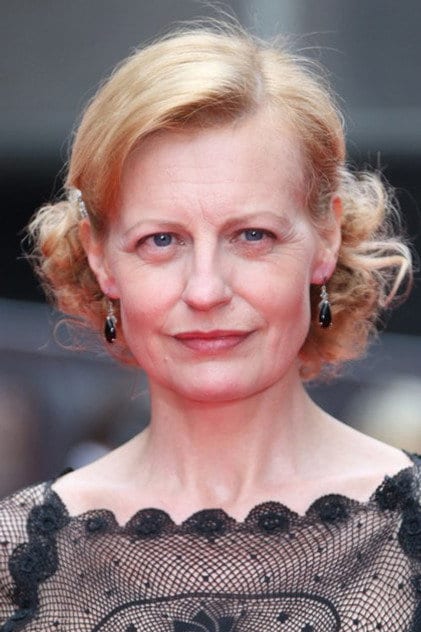
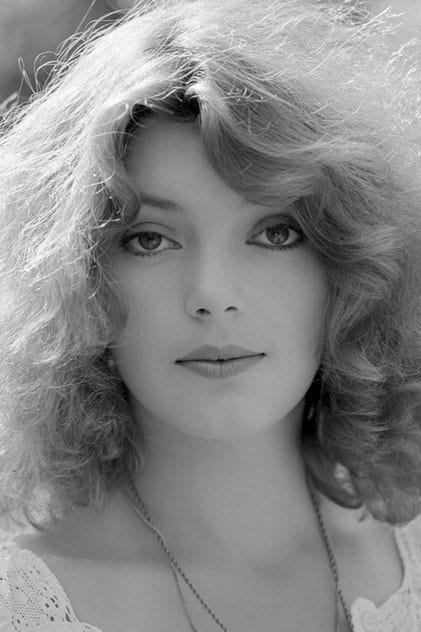
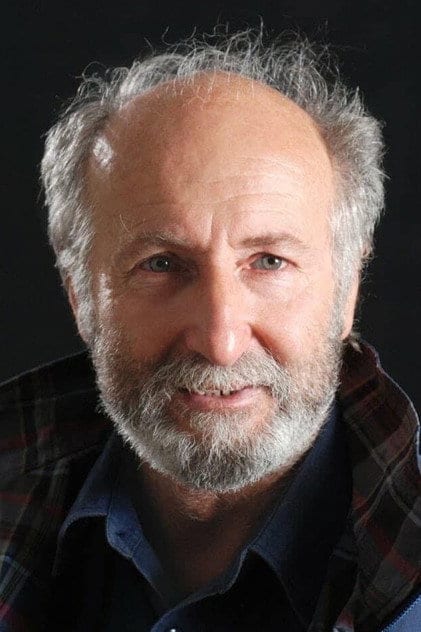
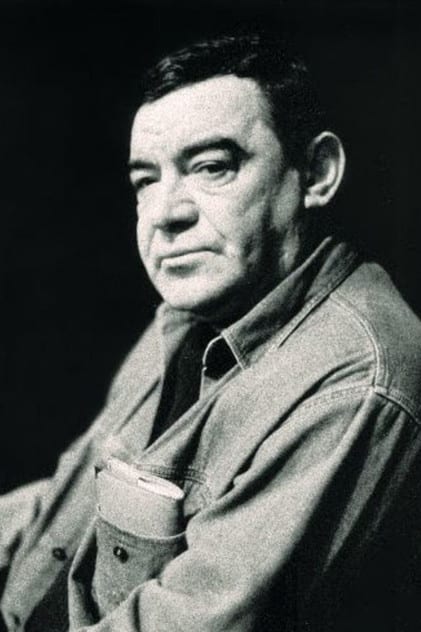
Josif Tatić built the kind of career every character actor dreams of, the face you keep recognizing in classics like "Underground" and cult TV like "Grlom u Jagode" even if you cannot quite place his name at first. For fans of Balkan cinema and anyone who chases great supporting turns, his 72 film credits hide a rich through line of sharp timing, sly humor and unshowy emotional weight.
Born in Novi Sad in 1946 to actor parents Branko and Kristina, Tatić grew into the quintessential ensemble player, equally at home in the satirical theater hit "Šovinistička farsa, " the beloved TV saga "Bolji Život" ("Better Life"), and international productions such as "The Brothers Bloom." If you are hearing the name Josif Tatić because a film sent you looking him up, you are exactly where you should be.
Key facts
- Known for
- Acting
- Born
- 1946-04-13
- Died
- 2013-02-08
- Place of birth
- Novi Sad, Serbia
- Film credits
- 72
- Notable films
- Underground (1995), The Brothers Bloom (2008), Life Is a Miracle (2004), Taiwan Canasta (1985), Special Education (1977), Battle of Kosovo (1989)
Where to start with Josif Tatić: three defining roles
If you want the quickest feel for what made Josif Tatić special, start with his small-screen landmarks. His role as Slobodan Mihajlović in the theatrical hit "Šovinistička farsa" gave him a sharp, satirical edge, playing straight into his knack for exposing human flaws without turning characters into caricatures. It is the part that made his name for many Serbian theater and TV fans.
On television, Tatić became a household presence as Božidar Soldatović Jataganc in the hugely popular series "Bolji Život" ("Better Life"). That character sits at the intersection of comedy and social realism, a perfect showcase for his ability to make supporting roles feel as lived-in as the leads. If you grew up with Yugoslav TV, this is probably the face you picture when you hear his name.
His performance as Tanasije Vitorović in "Grlom u Jagode" confirms just how versatile he was across tones and eras. The series is steeped in nostalgia and coming-of-age energy, and Tatić slots into that world without strain, giving Tanasije a specificity that makes even his brief scenes stick. Taken together, these three roles form a compact primer: sardonic stage satire, working-class TV drama, and bittersweet period storytelling, all anchored by the same, quietly magnetic presence.
“Tatić specialized in the kind of roles that sneak up on you, then feel impossible to imagine played by anyone else.”
Josif Tatić in Underground and the power of the ensemble
For many international viewers, the first encounter with Josif Tatić comes through "Underground" (1995), a landmark of 1990s European cinema. In that swirling, chaotic ensemble piece, his contribution is a good example of how he worked: not fighting for the spotlight, but sharpening every scene he is in. If you are watching for the first time, keep an eye on the smaller beats rather than the big set pieces, because that is where Tatić does his most precise work.
Across his 72 film credits, ensemble drama became a recurring zone of comfort. His presence in "Life Is a Miracle" (2004) shows the same instinct for slipping into a dense cast and finding a human rhythm inside it. Both films reward rewatching with attention to the margins, where Tatić is often doing something small and exact that changes the emotional temperature of a scene.
If you are streaming his work on Spinn Radio, pairing "Underground" with Life Is a Miracle gives a compact double feature: two multi-character narratives, two different moods, the same sure-handed character actor connecting the dots.
“In a crowded frame, Josif Tatić rarely raises his voice; he just tilts a scene in a new direction.”
Spinn Radio
Explore Josif Tatić on Spinn Radio
From Taiwan Canasta to Special Education: the 1970s and 80s breakout
Tatić's path to those 1990s and 2000s standouts runs through key films in the late 1970s and 1980s. "Special Education" (1977) is one of the earliest titles that fans point to when mapping his arc. The film sits in that period when Yugoslav cinema leaned into social themes and youth perspectives, and Tatić fits comfortably inside that framework. Even early on, you sense his instinct for playing characters as products of their environment, not abstract types.
By the mid 1980s, "Taiwan Canasta" (1985) adds another shade to his palette. The title alone hints at the offbeat energy of the era, and Tatić's involvement reinforces his reputation as a go-to performer for filmmakers who wanted grounded performances inside sometimes eccentric setups. You watch him, and you see someone who understands both the comedy and the melancholy of the material.
Closing that decade with "Battle of Kosovo" (1989) places Tatić inside a completely different register, one tied to national history and large-scale storytelling. It is a reminder that he could move from intimate character studies like Special Education to more overtly historical cinema without losing his footing. For anyone curious about how his style adapts, these three titles sketch out his evolution before international co-productions came calling.
“By the time the 1980s closed, Tatić had quietly proven he could inhabit youth dramas, offbeat character pieces and historical epics with equal ease.”
How Josif Tatić crossed into international films like The Brothers Bloom
One of the pleasures of tracking Josif Tatić's career is seeing how his work in Serbian and Yugoslav projects eventually nudged him into a broader orbit. "The Brothers Bloom" (2008) is a neat entry point for viewers who mainly know Hollywood and festival-circuit films. In that caper, his presence gives the story a slightly different flavor, a reminder that character actors from regional cinemas can slip into transnational productions without losing their identity.
Viewed beside something like "Underground" or "Life Is a Miracle, " his turn in "The Brothers Bloom" underscores the consistency of his screen persona. He does not suddenly transform into a different kind of performer just because the language mix or budget changes. Instead, he brings the same unforced naturalism that marked his earlier work, which is exactly what makes him feel believable inside more stylized plots.
If you are coming to Josif Tatić via "The Brothers Bloom, " work backwards: queue that film alongside Underground and then dip into "Taiwan Canasta" to see the through line from local character work to international productions.
“Tatić did not chase international stardom; he simply repeated what he did best until the world’s cameras came to him.”
Why Josif Tatić still matters for fans of Serbian cinema
Josif Tatić was born on 13 April 1946 in Novi Sad, Serbia, into a family already steeped in performance: both his parents, Branko and Kristina, were actors. That background matters, because it anchors his career in a lineage of stage and screen work that runs through the Serbian acting tradition. When you watch him in something as beloved as "Bolji Život" or as ambitious as "Battle of Kosovo, " you are seeing not only an individual talent but also a continuation of that family craft.
His death on 8 February 2013 closed a 40-plus-year chapter of Balkan screen history, but his roles remain unusually accessible for a character actor who so often stayed just out of the spotlight. With 72 film credits that include festival favorites, cult TV series and cross-border productions, there is always another corner of his filmography to uncover.
For fans who love exploring national cinemas through their supporting players, Josif Tatić is a perfect guide. Follow him from "Special Education" to "Life Is a Miracle, " from "Grlom u Jagode" to "The Brothers Bloom, " and you get a moving tour of how Serbian and Yugoslav storytelling shifted across decades, always with the same quietly compelling presence somewhere in frame.
“Tracing Josif Tatić’s career is like running a finger across a map of Serbian film and television from the 1970s to the 2000s.”
Good to know
Frequently asked questions
Who was Josif Tatić?
Josif Tatić was a Serbian actor known for 72 film credits and memorable TV and theater roles. He became widely recognized for characters in "Bolji Život, " "Grlom u Jagode" and "Šovinistička farsa."
When was Josif Tatić born?
Josif Tatić was born on 13 April 1946. He was born into an acting family, with both parents Branko and Kristina working as actors.
When did Josif Tatić die?
Josif Tatić died on 8 February 2013. His passing marked the end of a decades-long career across film, television and theater in Serbia and the former Yugoslavia.
Where was Josif Tatić born?
Josif Tatić was born in Novi Sad, Serbia. That city and its cultural scene shaped the early context for his life before he became a familiar screen presence.
What are the most famous roles of Josif Tatić?
The most famous roles of Josif Tatić include Slobodan Mihajlović in "Šovinistička farsa, " Božidar Soldatović Jataganc in "Bolji Život" and Tanasije Vitorović in "Grlom u Jagode." These parts show his range across satire, TV drama and period storytelling.
Explore more on Spinn Radio: Underground · The Brothers Bloom · Life Is a Miracle · Taiwan Canasta
Sources