Fables de La Fontaine, livre 02 is the moment this classic cycle starts to feel less like children’s bedtime reading and more like a sly social x‑ray. Across 20 short fables in French, La Fontaine uses talking animals and familiar tales to dissect human behaviour in society, one nimble scene at a time.
Recorded by a range of volunteer voices, this second of twelve books works especially well as an audiobook: the rhythm, irony and punchlines land differently when spoken aloud. If you know La Fontaine from school or only by name, this is where a focused hour with the fables can completely reset how you hear them.
Key facts
- Author
- Jean de La Fontaine
- Genre
- Myths, Legends & Fairy Tales
- Published
- 1802
- Language
- French
- Chapters
- 20
What is Fables de La Fontaine, livre 02 actually about?
This collection is the second book in a cycle of twelve fable books by Jean de La Fontaine, originally written and first published in the 17th century. Classified under Myths, Legends & Fairy Tales, it leans on animal allegory and familiar folkloric setups, but the target is unmistakably human conduct. Each of the 20 chapters is a compact scenario about how people behave together: in courts, in villages, in families, in moments of greed, fear or vanity.
The premise is simple and ruthless. La Fontaine stages tiny conflicts and misunderstandings, then lets character flaws do the rest. A proud figure refuses advice and pays the price. A seemingly weak one survives by cunning instead of strength. In less than a few minutes per fable, you get a situation, a turn, and an implied verdict on how people treat one another.
The key takeaway: these are not abstract moral lectures. They are sharply observed sketches of social life, written to be instantly recognisable even centuries later.
“La Fontaine uses talking animals as camouflage for a very human kind of truth-telling.”
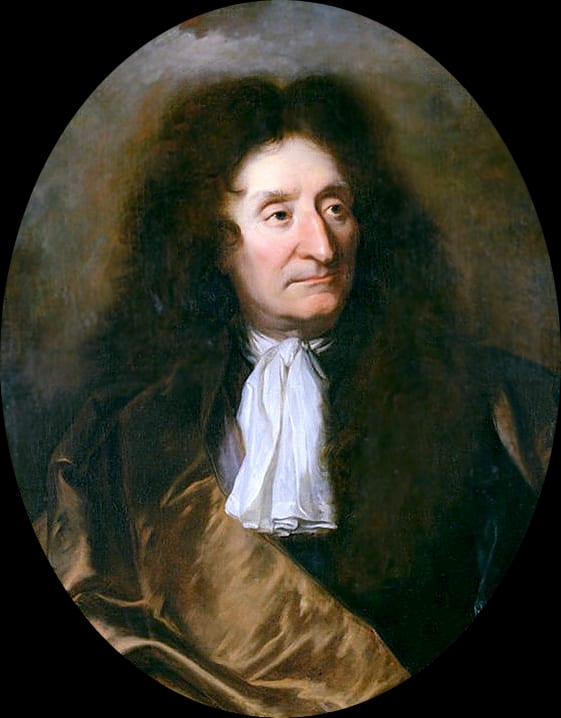
Jean de La Fontaine, the 17th‑century voice behind the fables
At the core of Fables de La Fontaine, livre 02 is its author, Jean de La Fontaine, writing in 17th‑century France. He worked within the long tradition of fable writing yet updated it for his own society, drawing on myths, legends and fairy tales as raw material and then bending them toward contemporary manners and power structures.
That 17th‑century origin matters when you listen today. Many of the situations come from a world of hierarchy and courtly etiquette, where status, flattery and favour could decide a person’s fate. La Fontaine never names names, but his scenes of self‑interest, hypocrisy and opportunism clearly echo the society around him. Listened to now, they offer both a glimpse of his era and a reminder of how little some patterns of behaviour have changed.
The takeaway: every time you hear a fox, a crow or another creature make a choice in these stories, you are also hearing La Fontaine’s carefully coded commentary on his own century.
“Behind every animal on the page is a very real 17th‑century French face he could not safely draw outright.”
Spinn Radio
Listen to Fables de La Fontaine, livre 02 on Spinn Radio
Themes that make livre 02 feel modern: power, vanity, survival
Although these fables sit under the genre banner of Myths, Legends & Fairy Tales, the emotional terrain is distinctly modern. The second book keeps returning to three linked themes: who holds power, how vanity exposes people, and how the less powerful survive by their wits. Human behaviour in society is not presented as noble by default. It is frail, calculating, sometimes generous, often self‑interested.
Shorter forms help the themes hit harder. In one chapter you might hear the consequences of bragging, in another the cost of trusting appearances. Because each fable is a separate track, you can hear patterns emerging as you move through the 20: similar mistakes repeated in different disguises, similar blind spots across different characters.
The key takeaway for a modern listener is that these themes are easy to map onto workplaces, politics or online life today. The specific costumes of the 17th century fall away, and what remains is a very familiar set of social instincts.
“The costumes are folkloric, but the psychology feels like it was written yesterday.”
Why Fables de La Fontaine, livre 02 still works so well in audio
This edition of Fables de La Fontaine, livre 02 comes from LibriVox, with the fables recorded by readers from diverse backgrounds. That variety suits La Fontaine’s structure. Each of the 20 chapters stands alone, so shifts in voice and delivery keep the listening experience fresh and help mark each fable as its own little world.
The language is French, and that is part of the pleasure. Even if your French is rusty, the musicality of 17th‑century phrasing, the repetition, and the clear narrative arcs help you follow along. For fluent listeners, hearing La Fontaine aloud restores rhyme, rhythm and wordplay that often flatten on the page.
A practical takeaway: because the book is broken into 20 short tracks, you can treat it as a set of listening capsules, one fable at a time. It works just as well as a focused sit‑down session as it does as a series of small interludes in your day.
“In audio, the moral never feels tacked on; it arrives as the natural echo of the storyteller’s voice.”
How to approach listening to livre 02 for the first time
If you are new to La Fontaine or coming back after studying him long ago, this second book is an ideal entry point because it is self‑contained yet clearly part of a larger 12‑book arc. Start at the beginning and let the first few fables set your ear to the cadence of the French. You will quickly tune into recurring patterns: the setup, the reversal, the quiet sting at the end.
You do not need to race through all 20 chapters. One effective approach is to listen to two or three fables, pause, and mentally translate them into a modern setting you know. Who in your life behaves like this proud character or that smooth flatterer? In doing so, you are using the fables exactly as they were written in the 17th century: as compact tools for thinking about real people.
The key takeaway: treat Fables de La Fontaine, livre 02 less like a single long narrative and more like a carefully sequenced album of social observations, each track waiting for its echo in your own experience.
“Listen to a few fables at a time, then look around you; the characters rarely stay on the page for long.”
Good to know
Frequently asked questions
Who wrote Fables de La Fontaine, livre 02?
Fables de La Fontaine, livre 02 was written by Jean de La Fontaine. He developed this second book as part of a wider cycle of 12 fable books in French.
What genre is Fables de La Fontaine, livre 02?
Fables de La Fontaine, livre 02 belongs to the genre Myths, Legends & Fairy Tales. It uses that traditional frame to explore human behaviour in society.
When was Fables de La Fontaine, livre 02 published?
Fables de La Fontaine, livre 02 is listed with a publication date of 1802. The fables themselves were written and first published in the 17th century.
What language is Fables de La Fontaine, livre 02 in?
Fables de La Fontaine, livre 02 is in French. Listening in the original language preserves La Fontaine’s rhythm, wordplay and tone.
How many chapters are in Fables de La Fontaine, livre 02?
Fables de La Fontaine, livre 02 contains 20 chapters. Each chapter is a separate fable, which makes the audiobook easy to sample in short sessions.
Sources
