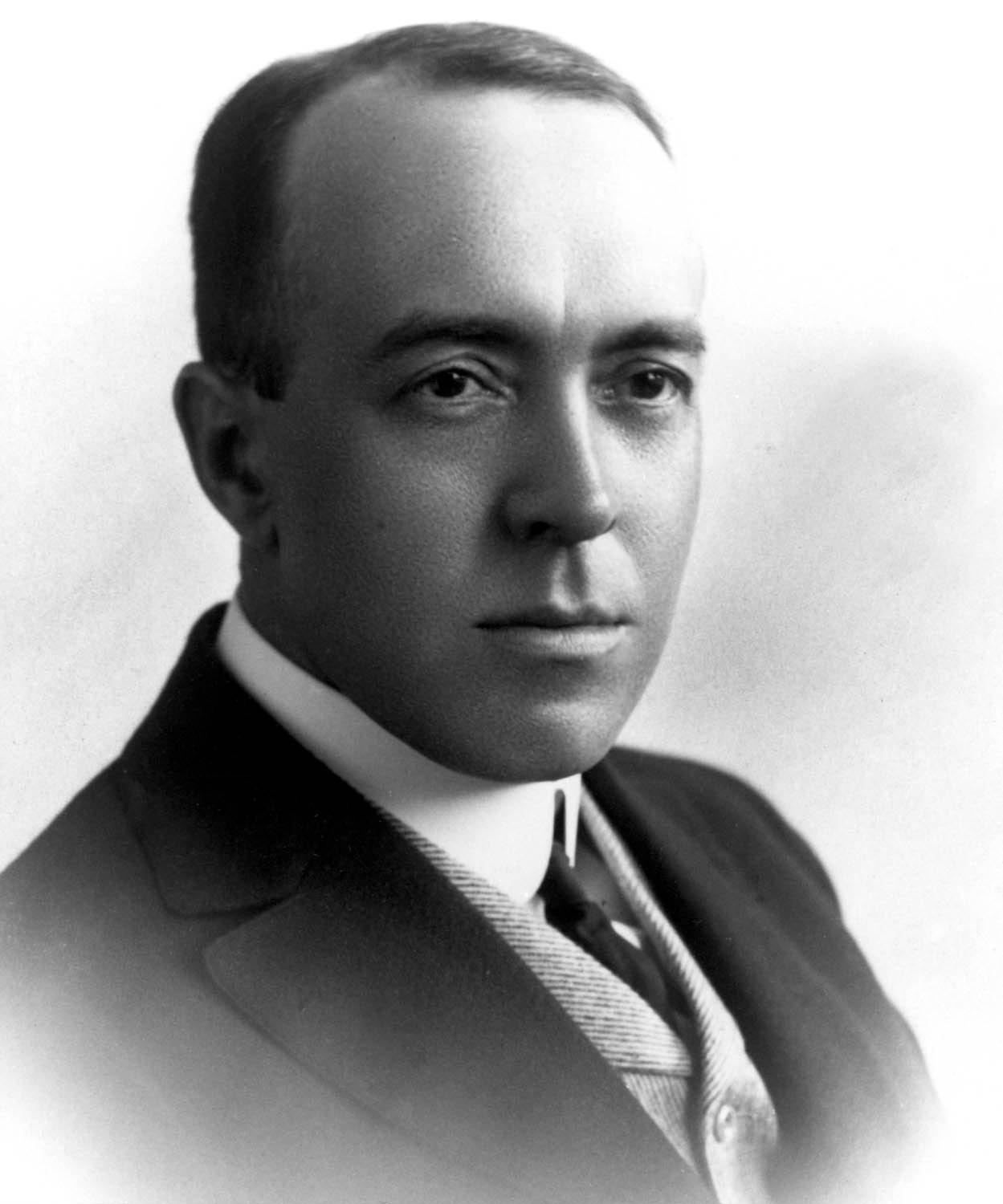
Danse Russe by William Carlos Williams is only a single poem, yet in this audiobook it arrives sixteen times, from sixteen different mouths, each reader trying to catch the same sudden spark that produced it. The piece began as a quick scribble between patients on a prescription pad, inspired by a night at the Russian Ballet in Manhattan, and this recording treats that origin story as a dare.
Instead of polishing every line, each of the sixteen readers leans into spontaneity, reading the poem in one unbroken leap. The result feels less like a tidy poetry collection and more like eavesdropping on a poem as it passes through sixteen lives, all circling the same strange, private dance.
Key facts
- Author
- William Carlos Williams
- Genre
- Poetry
- Published
- 1917
- Language
- English
- Chapters
- 16
What is the premise of Danse Russe as an audiobook?
This Danse Russe audiobook is built around a single 1917 poem, read aloud sixteen different times. The text never changes, but the voices do: sixteen separate readers step up to the same short piece of poetry and commit to reading it in one spontaneous take. That structure is the central premise. You do not move from poem to poem, you move from interpretation to interpretation.
The project mirrors how the poem itself came into being. Williams, working as a pediatrician in northern New Jersey, kept blank prescription pads in his pocket. Between seeing patients, he would jot down poems on the backs of those slips. Danse Russe was written in exactly this way, quickly and on the fly, after he had seen the Russian Ballet perform in Manhattan. The audiobook turns that moment of impulsive creation into a listening challenge for each participant.
The key takeaway is that you are not listening for a definitive version. You are listening for the tiny shifts: where one voice pauses, where another hurries, how a line lands differently in a quiet murmur than in a confident recital. Sixteen chapters, one poem, and a chance to hear how performance reshapes the same set of words.
“Sixteen chapters, one poem, and a chance to hear how performance reshapes the same set of words.”
Who was William Carlos Williams when he wrote Danse Russe in 1917?
When William Carlos Williams published Danse Russe in 1917, he was balancing two full identities: practicing pediatrician in northern New Jersey by day, working poet every spare moment. His medical practice sat just a few miles west of New York City, close enough for him to slip into Manhattan and be jolted awake by the energy of the Russian Ballet, then return to his patients the next morning with a new poem forming in his pocket.
That double life shapes how you might hear this audiobook. Williams did not write from an ivory tower or a campus office. He wrote in the margins of a busy, practical day, grabbing minutes between examinations and house calls. The image of him reaching for a prescription pad, then filling the blank back with lines of poetry instead of dosages, makes Danse Russe feel like something smuggled in, a secret note written in the cracks of the schedule.
If you keep that in mind while listening, the poem’s offbeat energy makes more sense. It comes from an author who moved constantly between the heightened world of Manhattan stages and the grounded routine of a New Jersey doctor’s office, then crystallized a moment of private exuberance into a few lines of English verse.
Spinn Radio
Listen to Danse Russe on Spinn Radio
Themes to listen for in Danse Russe
Although the text itself is brief, this 1917 poem opens up several recurring Williams preoccupations. There is the thrill of performance, rooted in his experience of the Russian Ballet in Manhattan, but the poem itself unfolds in a more ordinary, almost domestic space. That tension between spectacular art and everyday setting gives the piece its odd electricity, and it comes through differently as each reader chooses where to place emphasis.
There is also the theme of spontaneity, built into both the poem’s composition and this recording. Williams wrote it quickly, on the back of a prescription pad, and each reader here adopts that same leap-before-you-look approach. You can listen for the moments where the voice sounds as if it is discovering a line in real time, just a half step behind the unfolding syntax.
Finally, there is an undercurrent of self-consciousness and release. The very idea of a "dance" in a poem by a doctor who spent his working hours in examination rooms invites you to imagine someone breaking character when no one is watching. Sixteen readers, each trying to inhabit that private moment, give you sixteen small variations on the theme of letting yourself look foolish, then finding that it feels oddly freeing.
“You can listen for the moments where the voice sounds as if it is discovering a line in real time.”
Why Danse Russe still feels modern over a century later
Danse Russe was published in 1917, yet the setup behind this audiobook feels very close to how we encounter poetry now. A short, vivid text is passed from voice to voice, shared and reinterpreted, sometimes formally, sometimes playfully. Williams’s decision to write on prescription pads between patients anticipates the quick, improvisational way poems often appear today in notebooks, notes apps, and messages.
The poem’s language, rooted in everyday English, also helps it travel across time. This is not a piece that leans on antique diction or elaborate rhetorical flourishes. The scenario is specific, yet the emotional core, that mix of awkwardness and joy, remains easy to recognize. Listeners in any era know the feeling of trying on a different self when no one is looking, then wondering what it would mean to be seen that way.
What keeps this particular recording lively is the choice to gather sixteen unscripted readings instead of polishing a single, authoritative performance. The imperfections are part of the appeal. A stumble over a word, an unexpected laugh in the voice, a rush through a line, each detail quietly insists that poetry is a living thing, not a museum piece from 1917.
The listening experience: how to approach sixteen readings of one poem
This Danse Russe audiobook is divided into sixteen chapters, one for each reader who accepted the challenge to treat the poem as Williams did, as a spontaneous act. You can listen straight through, letting the poem repeat like a refrain with shifting instrumentation, or you can dip in and out, returning to certain voices that catch your ear.
The short runtime of each chapter invites replays. You might, for example, choose one line that haunts you and track how it changes from reader to reader, how tempo, tone, and emphasis recast it sixteen times. Because every performance is in English, the language itself stays accessible, and your attention can rest on rhythm, breath, and mood instead of worrying about translation.
If you are new to William Carlos Williams or to early twentieth century poetry, this recording offers a gentle entry point. There is only one text to learn, and each chapter gives you another chance to hear it anew. By the time you reach the final reader, you may find that the poem has quietly become familiar, something you can half-recite yourself, shaped as much by the voices you have heard as by the words on the page.
“There is only one text to learn, and each chapter gives you another chance to hear it anew.”
Good to know
Frequently asked questions
Who wrote Danse Russe?
Danse Russe was written by William Carlos Williams. He composed the poem while working as a pediatric doctor in northern New Jersey.
When was Danse Russe published?
Danse Russe was published in 1917. The poem emerged during William Carlos Williams’s early decades balancing medicine and modern poetry.
What genre is Danse Russe by William Carlos Williams?
Danse Russe by William Carlos Williams is a work of poetry. The audiobook presents it through sixteen separate spoken readings of the same poem.
What language is Danse Russe in?
Danse Russe is written in English. The audiobook readings all follow this original English text.
How many chapters are in the Danse Russe audiobook?
The Danse Russe audiobook has 16 chapters. Each chapter features a different reader performing the same William Carlos Williams poem in a spontaneous style.
Sources